How to Make Guava Juice (Caribbean Guava Juice Recipe)
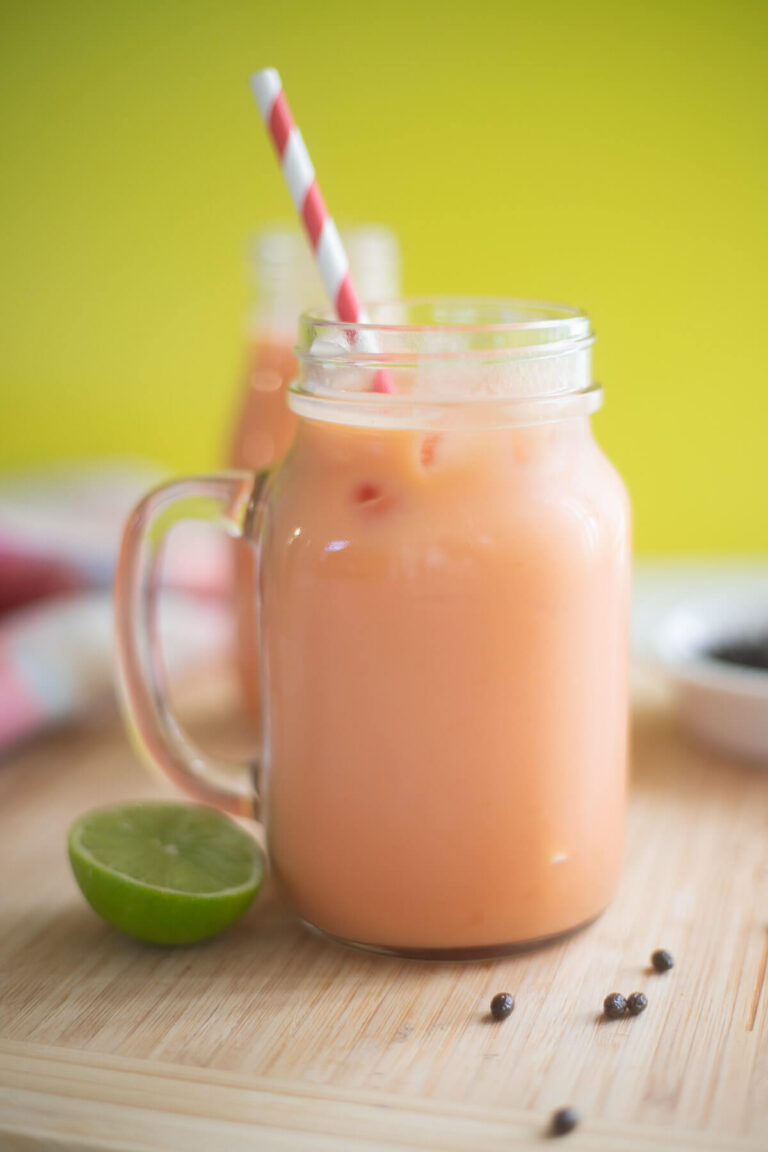
If you’ve ever wondered how to make guava juice at home, this one is simple, flavorful, and full of that real Caribbean taste.
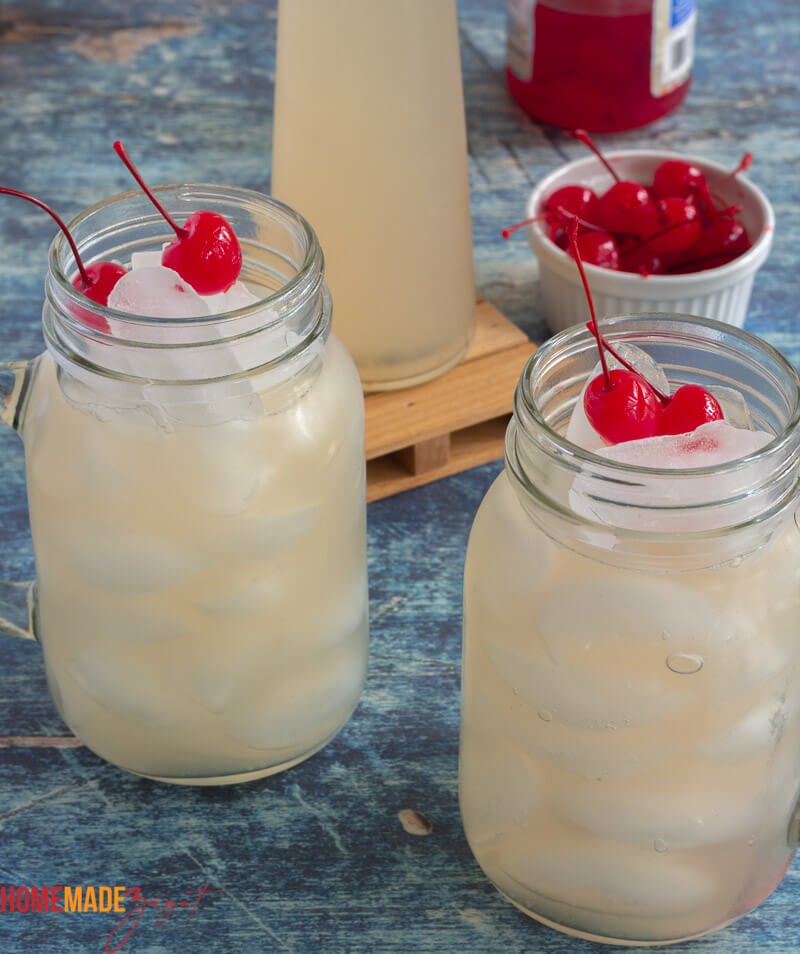
This fresh guava juice uses the whole fruit and comes together with just a few ingredients. You get a rich, slightly spiced drink that’s perfect for hot days or a good backyard lime.
Guava isn’t something I see often here in the US. It’s treated like one of those “special occasion” fruits, like soursop. So when I spot it, I grab it. And making juice is always the first thing on my mind.
This version is how I grew up having it. Boiled with spices, then strained and sweetened to taste. It’s simple, flexible, and easy to adjust depending on how sweet your guava is.
How to Make Guava Juice (Caribbean Style)
Boil chopped guava with water and spices, let it cool, then strain and sweeten to taste. Adjust water and sugar based on how sweet your guava is.
Ingredients you will need
You will need:
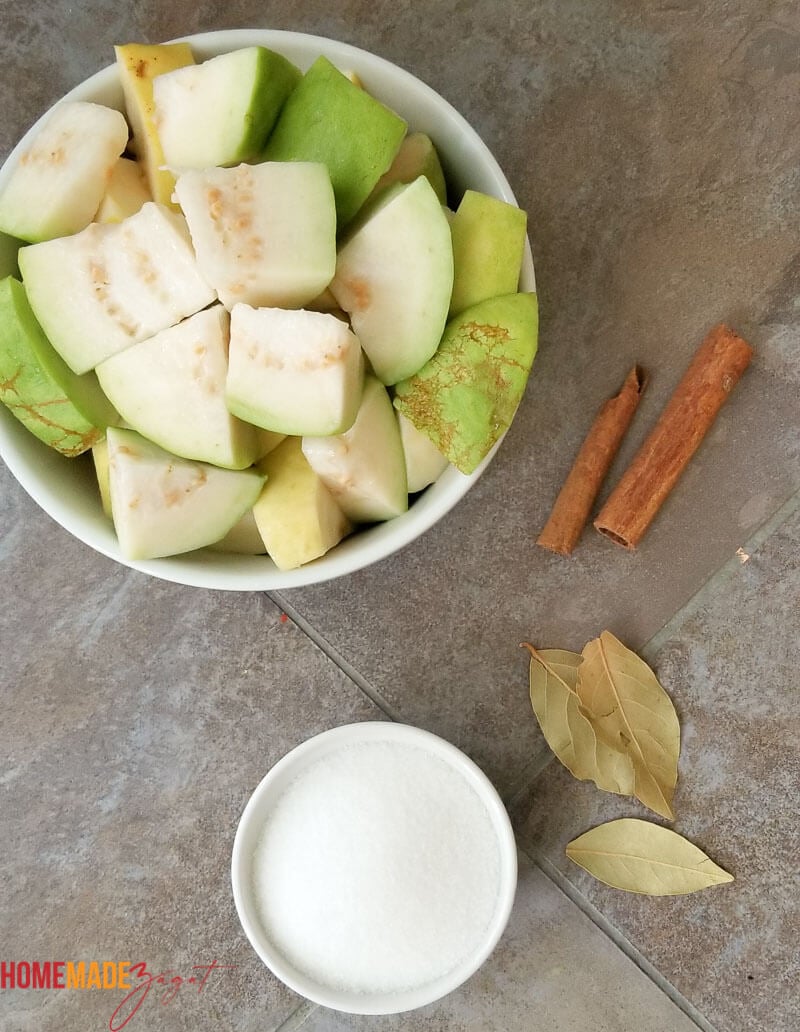
- Ripened guavas – I used white guavas (because that was what I found, but it’s the same with any fresh ones you have). Obviously, if you use pink ones, the juice would have a pink color.
- Sugar – granulated sugar is best, so as not to distort the color of the juice
- Water
- Bayleaf
- Cinnamon sticks
- Essence – vanilla and/or mixed
- Bitters
- A little rum – this is optional
Step-by-step instructions
This method shows you exactly how to make guava juice using the traditional boiled Caribbean style.
- Wash and chop the guavas.
Wash and chop the guavas into pieces. No need to peel. Cutting them helps release more flavor as they cook. - Boil the guavas with spices.
Add the chopped guava to a pot with water, bay leaf, and cinnamon sticks. Make sure the water comes up to at least the level of the fruit. Bring to a boil, then remove from heat and let it cool completely. - Strain the juice.
Once cooled, strain the mixture using a fine strainer or muslin cloth. Press the pulp to extract as much juice as possible. - Sweeten and adjust.
Add sugar, the remaining water, and any flavorings like essence, bitters, or rum. Stir well. - Taste and tweak.
Taste your juice and adjust as needed. Some guavas are sweeter than others, so you may need more or less sugar or water.
Can you make guava juice without boiling?
Yes, you can make guava juice without boiling, but the texture and flavor will be a little different.
Instead of cooking the fruit, you would blend chopped ripe guava with water, then strain it to remove the seeds and pulp. This gives you a fresher, lighter juice.
The boiled method, though, is what I grew up with. It softens the fruit, pulls out more flavor, and gives you that richer, slightly spiced taste once you add the bay leaf and cinnamon.
If your guava is very ripe and soft, the no-boil method works just fine. But if it’s a bit firm, boiling helps break it down and gives you more juice in the end.
Do you have to strain guava juice?
Guava has small seeds that can make the juice gritty, so straining is recommended for a smoother drink.
If you don’t mind a bit of texture, you can skip it, but most people prefer it strained.
What are guavas
This tropical fruit is native to the Caribbean, Mexico, Central and South America. It has yellowish or green skin, and the inside can be white or pink, depending on the variety. Ripe guavas are sweet, almost strawberry-sweet, and have a strong scent, especially when they’re in abundance. I still remember the thick, sweet smell from when my dad made guava jam or when they’d fall and start to ripen (or rot!) on the ground.
The benefits of guava juice
Guava is more than just delicious; it’s packed with flavor and tropical charm. The fruit (and even the leaves) have long been used in Caribbean households for all kinds of things, from juice to jams and even teas.
It’s also a naturally good source of Vitamin C and antioxidants, which makes it feel like a little pick-me-up in a glass. While we enjoy it mostly for the taste, many people also appreciate the nutritional perks that come with it.
Want to dig into more info about guava’s nutrients and traditional uses? There are some great articles online that explore the fruit in detail.
How to choose the best guava for juice.
Guavas are ready for juice when it’s yellowish on the outside. Touch it to make sure it is not hard to touch. You want the skin to be tender. It will dent a little when lightly touched.
Make sure there are no blemishes or bruises on the skin.
The aroma will also be very strong once it is ripe.
If you happen to get green ones and are leaving them to ripen, have them in a cool area at all times. Make sure none of the skins are broken because it will encourage fruit flies.
Also, try not to touch them too much in the ripening stage. This can lead to getting a few blemishes, and I realized that while ripening, those areas start to get darker faster.
Pulp VS no pulp
Some people like to have guava pulp included in the juice, and some people do not. I am the latter. No pulp, please.
If you like pulp, just blend the softened guava with the boiling liquid (after removing the bay leaf and cinnamon sticks), then strain. I personally skip the pulp. Smooth juice only, please.
I would still strain since guava has seeds and you don’t really want to drink them. But if you don’t mind seed grits, then you can skip that step.
Tips and Tricks
- Make sure you wash the guavas well. This fruit is very much prone to worms, so make sure you give them a good wash to rid away any debris that might be hanging around.
- Make sure the guavas are ripe. Green guavas are very sour. Once the flesh is soft you are good to go.
- If you want a thinner juice, you can always add more water when “sweetening” up.
- You can also add in some lemon or lime juice if you want it to be a little tangy in flavor. You will then need to add more sugar to taste.
- You can also add a little bit of grated ginger to the mix, like a tablespoon, when it’s boiling on the stove.
How long does this juice last
Guava juice ferments quickly and can start to taste wine-like if left out too long. Don’t leave it unrefrigerated for more than 6 hours.
Once chilled, it’ll keep for 7–8 days (a bit shorter if you leave in the pulp).
We used to make big batches when the harvest was heavy. Boil, strain, and freeze the juice unsweetened. When you’re ready to use it, just defrost and sweeten to your liking.
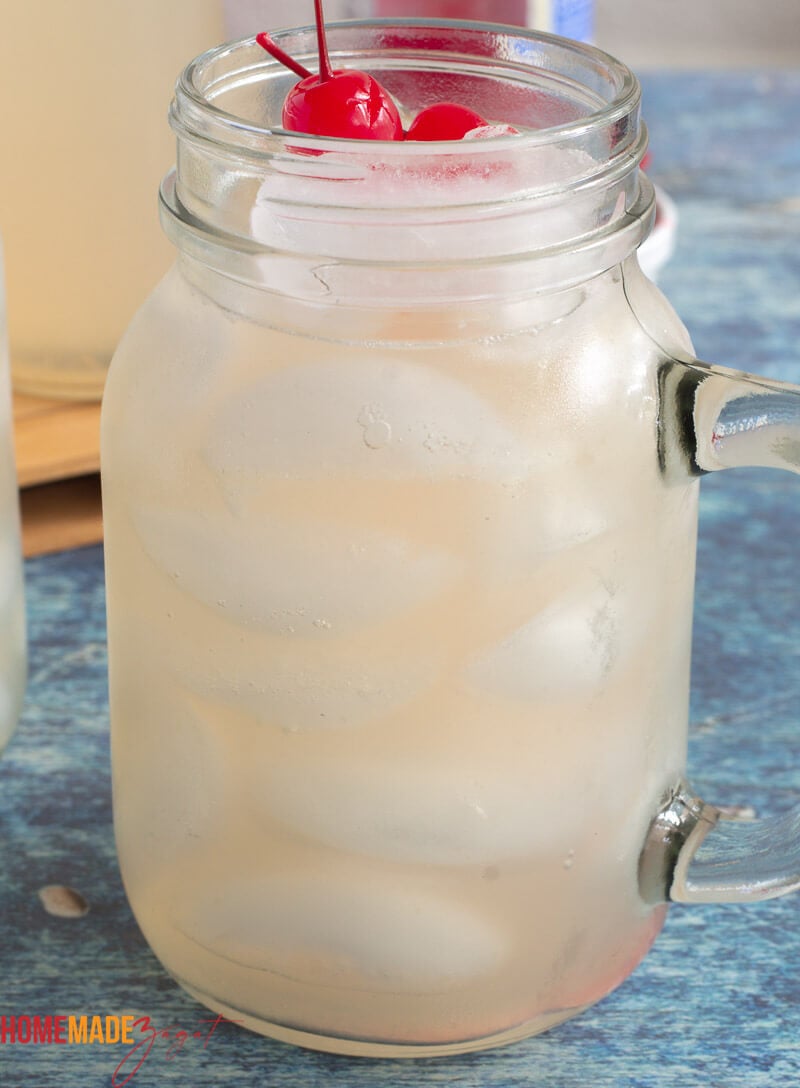
Guava juice, though chilled, is best served with a handful of ice.
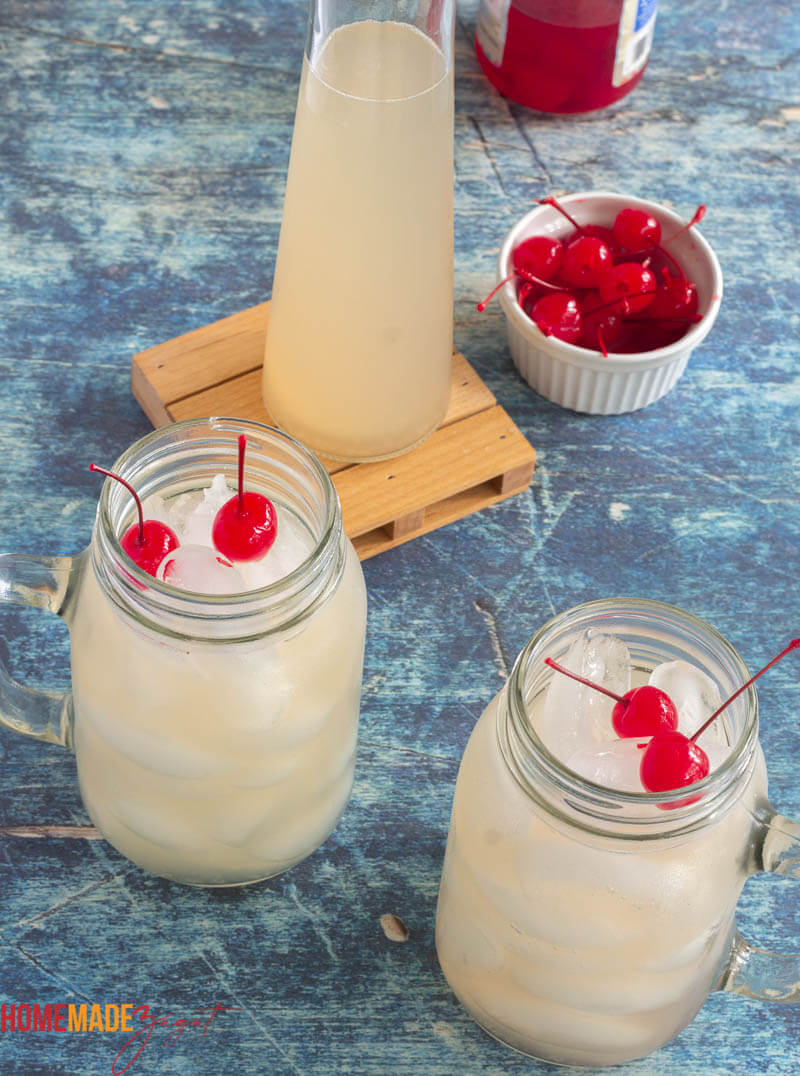
I just love getting fresh juices when we can. It’s not until you don’t have access to things that you realize how lucky you are.
If you want to try some more drinks that I use fresh fruits to create, check these out:
Updated: April 2026. This post has been improved with clearer step-by-step instructions and tips for making guava juice at home.
Recipe
Guava Fruit Juice
Ingredients
Method
- Wash and chop the guavas into cubes.
- In a large pot over medium heat, add the guavas, 5 cups of water, bay leaves, and cinnamon sticks.
- Bring to a boil, then remove from heat.
- Cover and let the mixture cool completely.
- Once cooled, strain the mixture into a large bowl. (See notes if you prefer to keep some pulp.)
- Add the remaining 1 cup of water, sugar, vanilla essence, mixed essence, and a dash of bitters.
- Stir well to combine and adjust sweetness or flavor as needed.
- Chill and serve over ice.
Nutrition
Recipe Printed From ThisBagoGirl.com