
How to Make Tamarind Juice (Easy Caribbean Recipe)
Learning how to make tamarind juice at home is easier than you might think. This refreshing Caribbean drink is sweet, tangy, slightly tart, and packed with bold tamarind flavor.

Popular across Trinidad and Tobago and the wider Caribbean, tamarind juice is made by soaking tamarind pulp and mixing it with water, sugar, and sometimes warm spices like ginger or cinnamon. It’s one of those drinks that instantly wakes up your taste buds with that signature sweet-and-sour flavor.
If you already enjoy treats like tamarind balls or tambran sauce, this drink brings those same bold tamarind flavors into a cool and refreshing drink perfect for hot days. The balance of sweet and tart is what makes it so refreshing.
What is tamarind juice?
Tamarind juice is a refreshing Caribbean drink made from the sticky pulp inside tamarind pods. The pulp is soaked in water, strained, and mixed with sweetener to create a sweet-and-tangy drink with a slightly tart flavor.
This juice is best served ice cold on hot days and pairs especially well with spicy Caribbean dishes and fried snacks.
What does tamarind juice taste like?
Tamarind juice has a tangy yet sweet flavor with a slightly tart finish. Some people compare the taste to a mix of lemonade, dates, and citrus, with a deeper, almost caramel-like flavor depending on how sweet it’s made.
If you enjoy tart drinks like lemonade, this juice has that same refreshing quality with a deeper, richer flavor.
Why you’ll love this recipe
- Sweet, tangy, and refreshing
- Made with simple ingredients
- Easy to adjust to your taste
Ingredients for tamarind juice
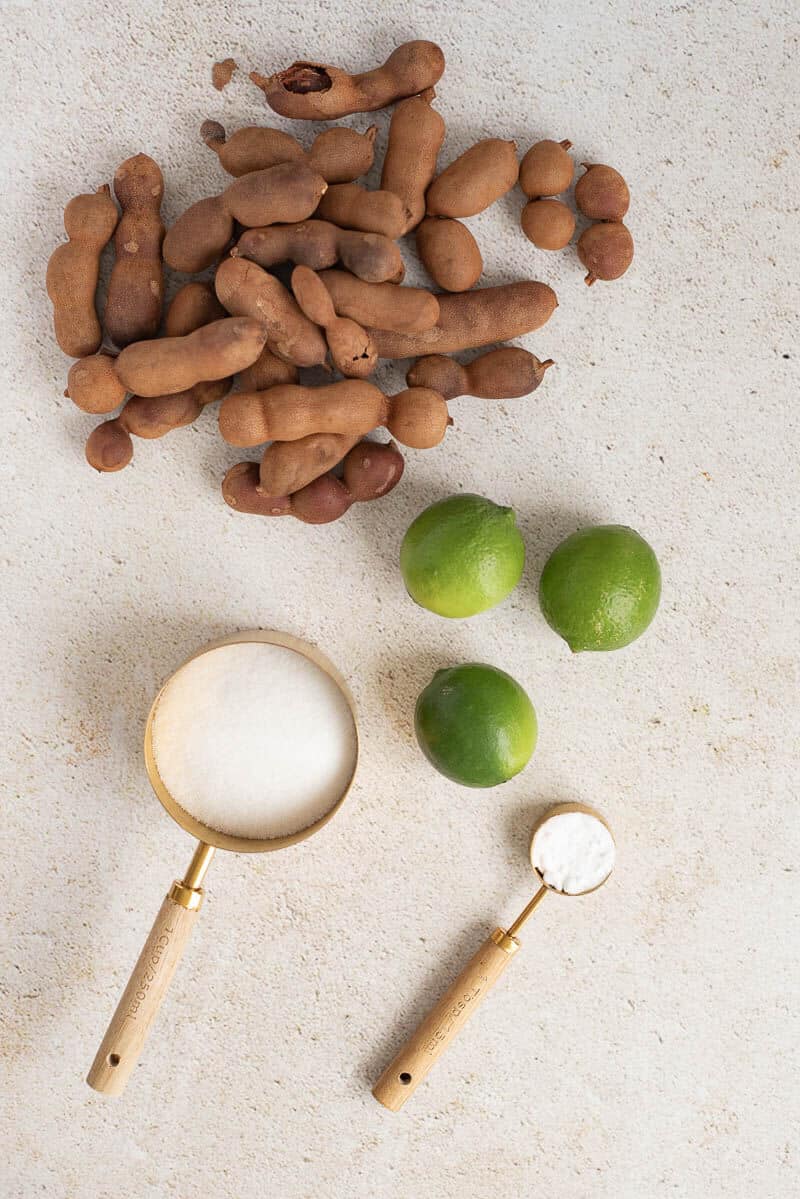
Tamarind
Fresh tamarind pods give the best flavor for this recipe, but you can also use compressed tamarind pulp blocks. Tamarind paste can work in a pinch, but it often has a different flavor and texture, so you may need to adjust the sweetness and water.
Sweetener
Sugar is traditionally used to balance the tart flavor of tamarind, but you can adjust the amount to suit your taste. Brown sugar can also add a slightly deeper flavor to the drink.
Spices and flavorings
Some Caribbean versions include spices like ginger, cinnamon, or cloves for extra warmth and flavor. You can also add a splash of lime juice for a brighter citrus flavor.
Baking soda
Baking soda helps soften the tamarind pulp, making it easier to remove from the seeds after soaking. It also helps mellow some of the tamarind’s natural tartness.
How to make tamarind juice
- Remove the tamarind from the shells and pull away any strings or veins attached to the pods.
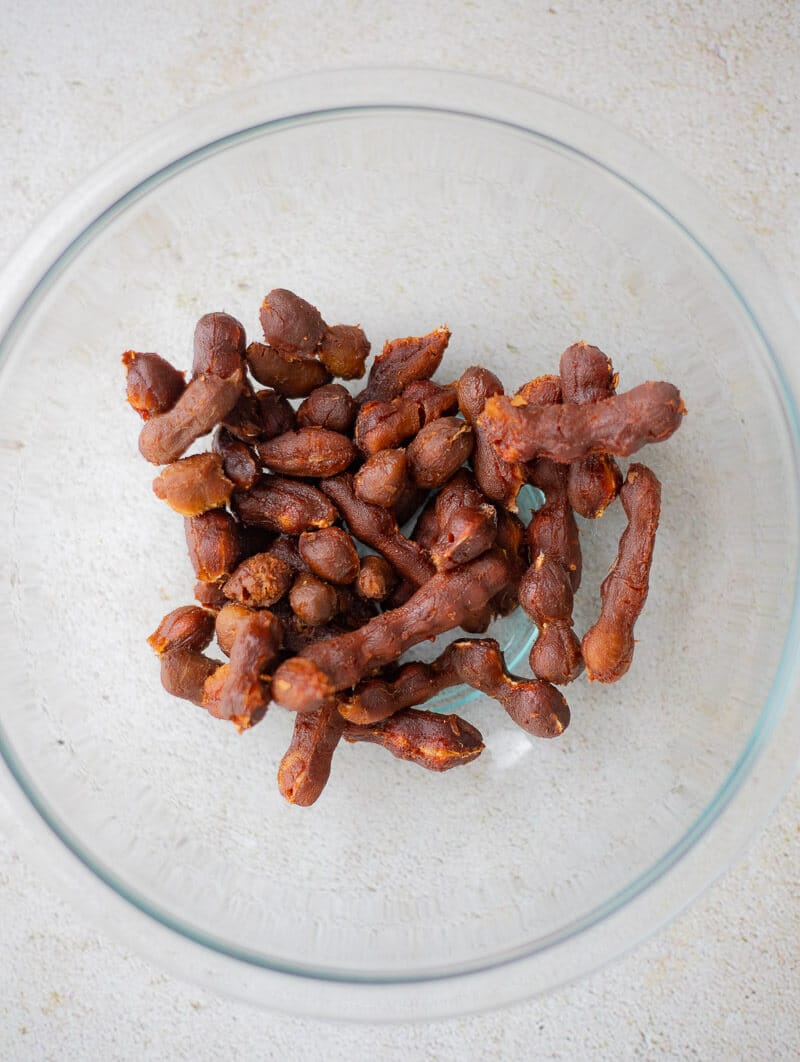
- Place the tamarind pulp in a bowl. Sprinkle with the baking soda, then pour the hot water over the pulp. Let it soak for about 30 minutes, or until the pulp softens and loosens from the seeds.

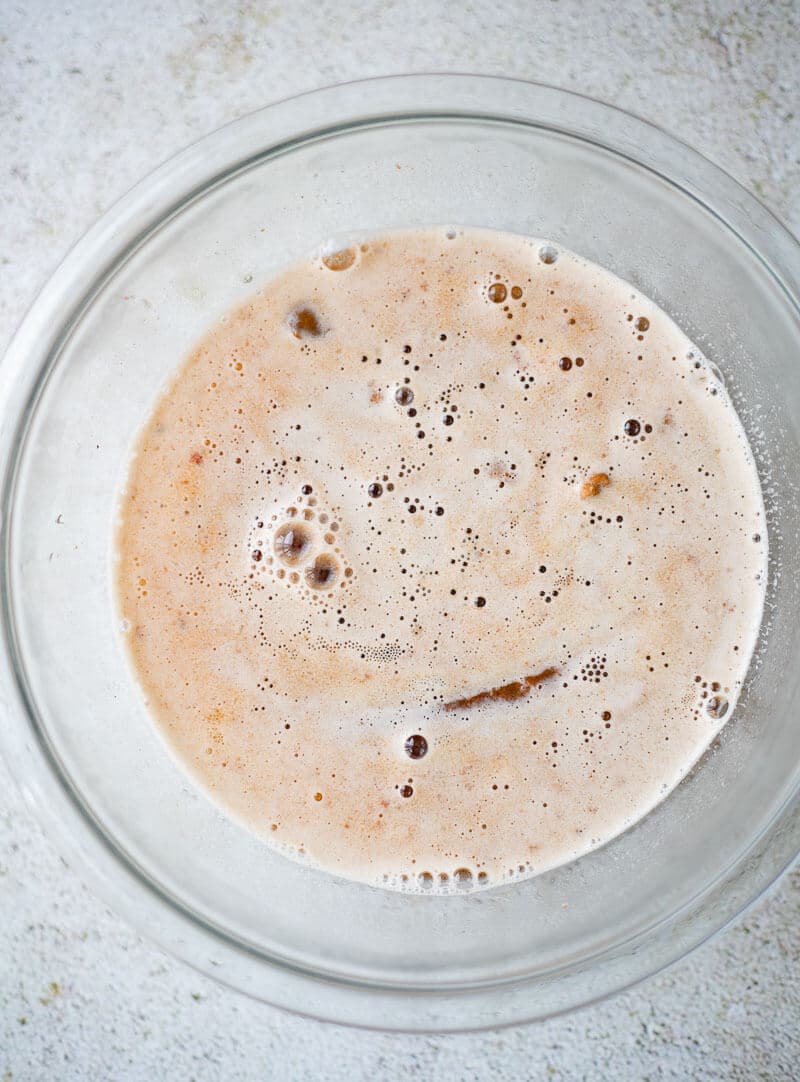
- Use your hands or a spoon to mash the softened pulp into the water, separating as much of the pulp from the seeds as possible.
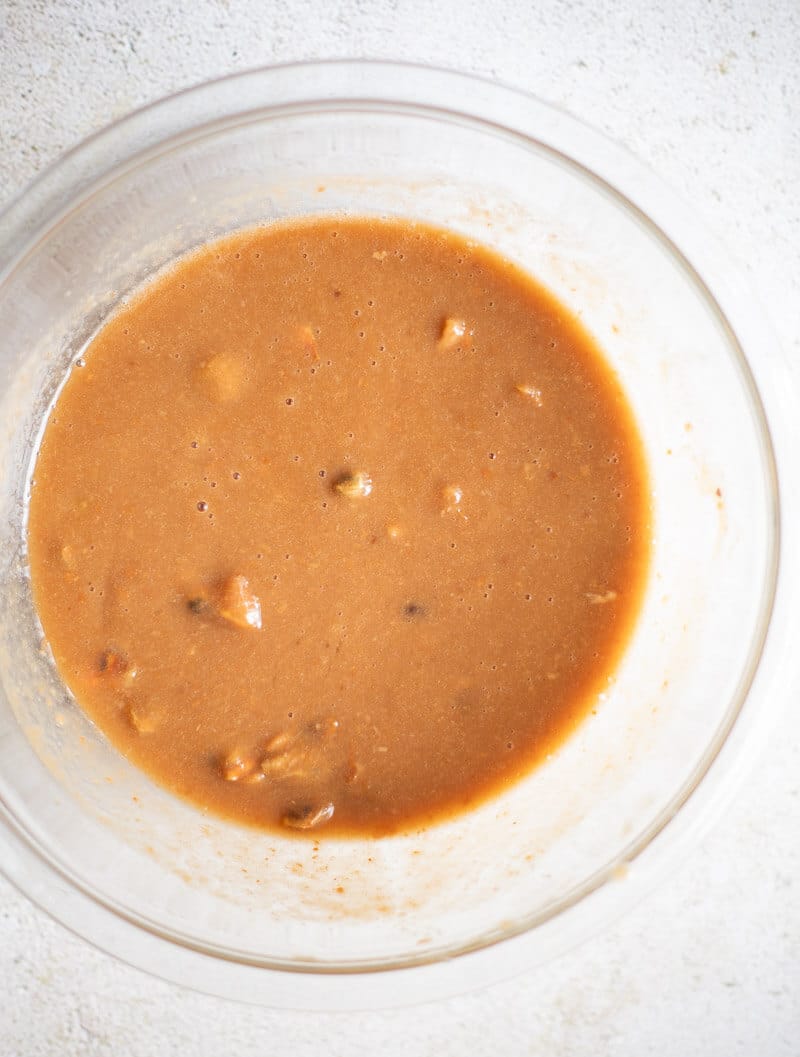
- Strain the mixture through a fine-mesh sieve to remove the seeds and fibers.
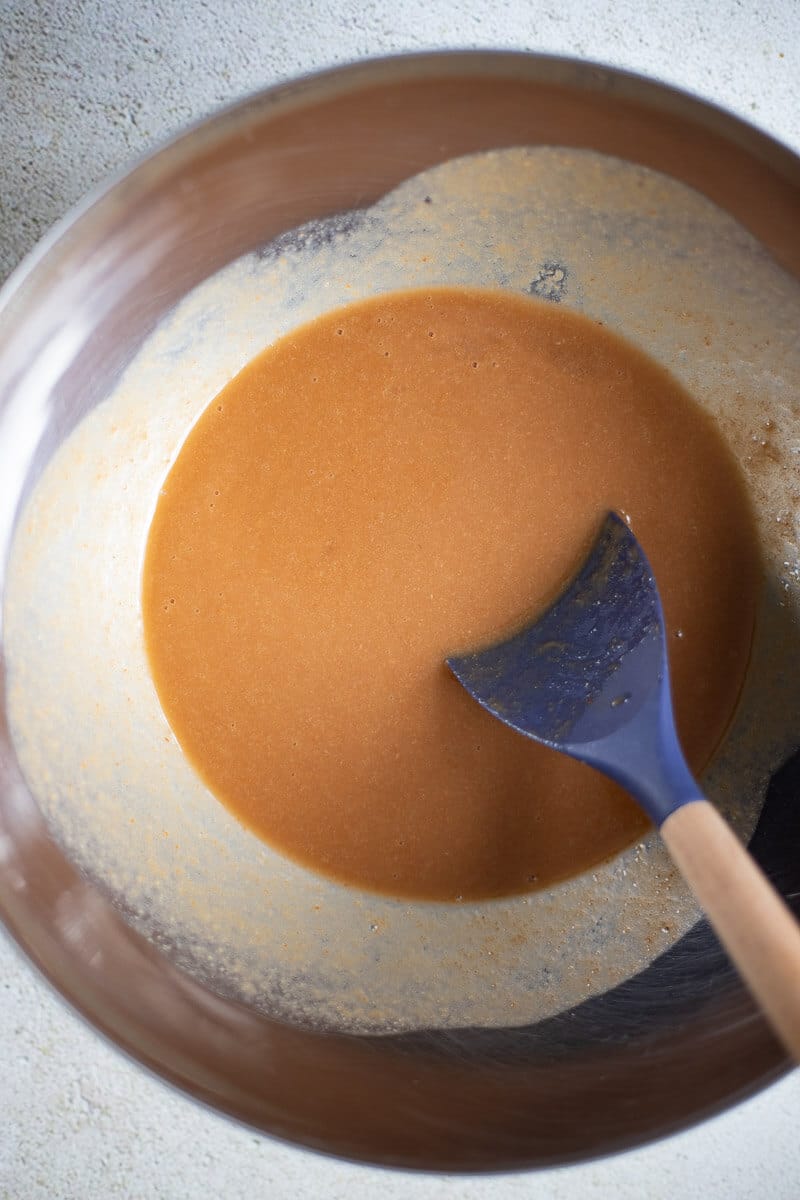
- Add the remaining water to dilute the tamarind concentrate to your preferred strength.
- Sweeten the juice to taste and add the lime juice (if using).
- Chill in the refrigerator and serve over ice.
Tips for the best tamarind juice
- Adjust the sweetness to your taste since some tamarind pods are naturally more tart than others.
- Don’t skip the baking soda. It helps soften the tamarind pulp and makes it easier to separate from the seeds after soaking.
- Strain the mixture well for a smoother drink with less fiber and sediment.
- Chill before serving since tamarind juice tastes best cold.
- Start with less water and dilute gradually until the tamarind flavor tastes right to you.

Variations and add-ins
- Add fresh ginger for a slightly spicy kick.
- Squeeze in some lime juice for a brighter citrus flavor.
- Add cinnamon or cloves for a warmer, spiced version.
- Mix in a little rum for an easy Caribbean-style cocktail.
- Blend with extra ice for a colder slushie-style drink.
- Use brown sugar instead of white sugar for a deeper molasses-like flavor.
How to store tamarind juice
Store tamarind juice in a covered pitcher or airtight container in the refrigerator for up to 4 days. Stir before serving since natural tamarind pulp may settle at the bottom as it chills.
You can also freeze tamarind juice in ice cube trays or freezer-safe containers for longer storage.

Frequently Asked Questions
Yes, you can use tamarind paste if fresh tamarind pods or compressed pulp are not available. Since tamarind paste is usually more concentrated, start with a small amount and adjust the water and sweetness to taste.
Tamarind juice has a naturally tangy and slightly tart flavor, but the sweetness can be adjusted to your preference. Some people enjoy it sweeter, while others prefer a stronger tamarind flavor.
Straining helps remove the seeds, fibers, and excess pulp for a smoother drink. You can leave a little pulp behind if you prefer a thicker texture.
Yes. Tamarind juice can be made ahead and stored in the refrigerator until ready to serve. In fact, many people find the flavor tastes even better once it has chilled.
Yes. Tamarind juice freezes well in freezer-safe containers or ice cube trays. Thaw in the refrigerator and stir well before serving.
More Caribbean drink recipes to try
Recipe
How to Make Tamarind Juice (Easy Caribbean Recipe)
Ingredients
Equipment
Method
- Remove the tamarind from the shells and discard any strings or veins attached to the pods.
- Place the tamarind pulp in a large bowl. Sprinkle with the baking soda, then pour the hot water over the pulp. Let soak for 30 minutes, or until softened.
- Use your hands or a spoon to mash the softened pulp into the water, separating as much of the pulp from the seeds as possible.
- Pour the mixture through a fine-mesh sieve into a clean bowl or pitcher. Use the ¾ cup water to rinse and press the pulp through the sieve.
- Stir in the remaining 2 cups water to dilute the concentrate.
- Add the sugar and stir until completely dissolved.
- Stir in the lime juice, if using.
- Refrigerate until well chilled, then serve over ice.
Notes
- Baking soda helps soften the tamarind pulp, making it easier to separate from the seeds while also mellowing some of the natural tartness.
- Adjust the sugar and water to suit your taste since some tamarind pods are naturally more tart than others.
- Fresh tamarind pods give the best flavor, but compressed tamarind pulp can also be used.
- Stir before serving, as some natural tamarind pulp may settle while chilling.
Recipe Printed From ThisBagoGirl.com






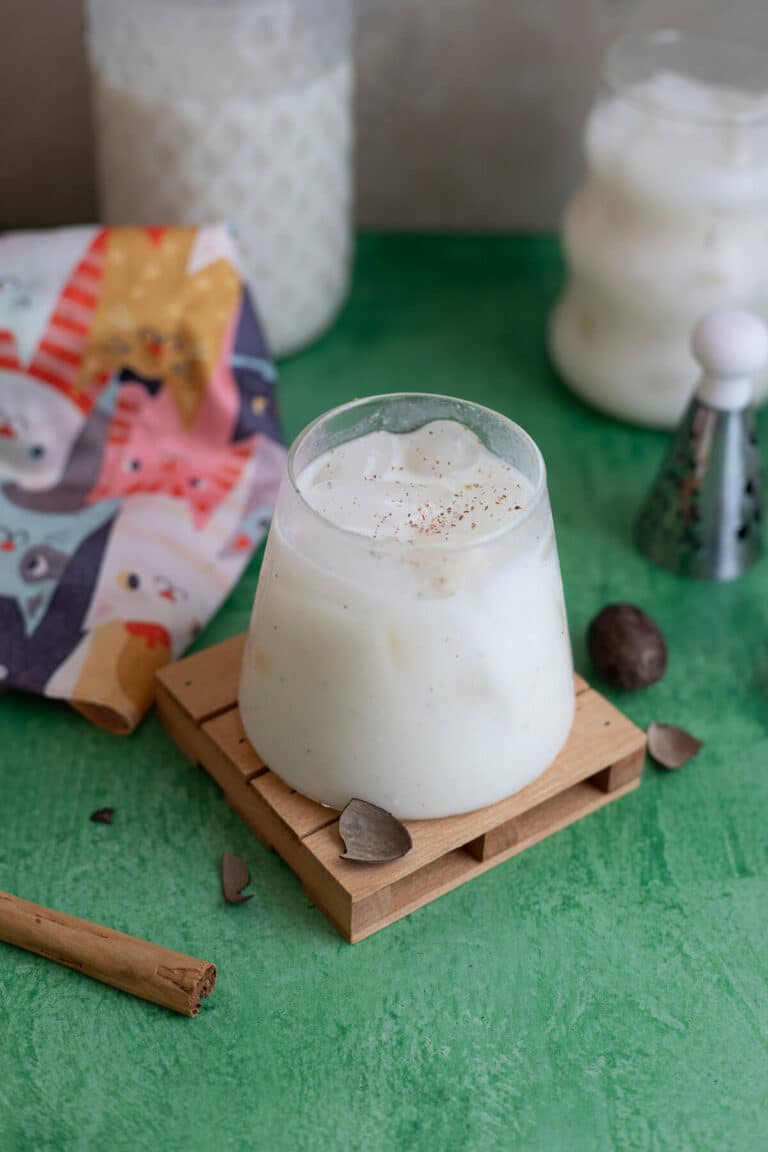
really refreshing….