Paw Paw Balls Recipe (Trinidad Style)
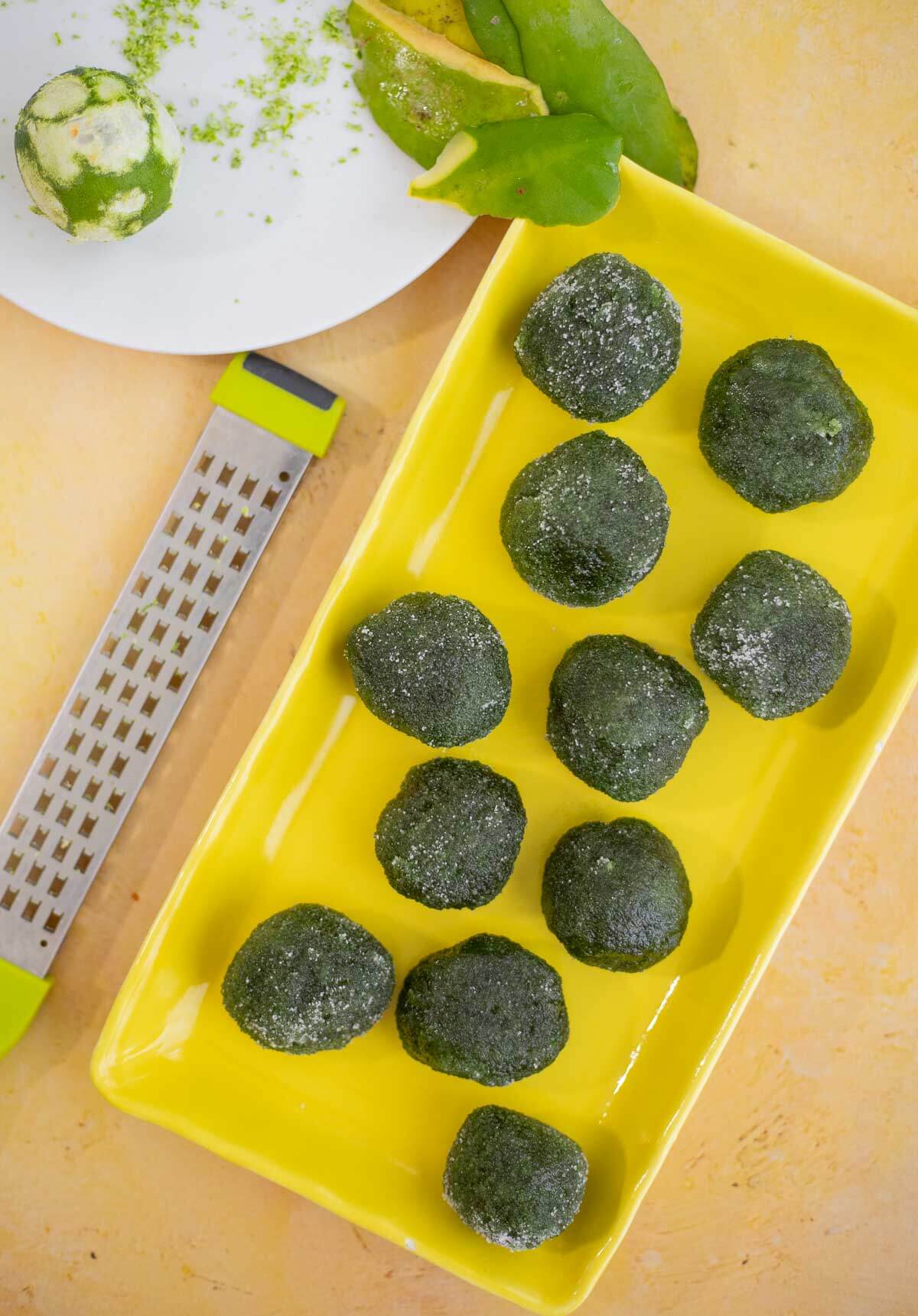
Paw paw balls are one of those old-school Trinidad and Tobago snacks that don’t get nearly enough attention these days. Made with grated green paw paw, sugar, and a hint of lime, they’re cooked down until thick and sticky before being rolled into sweet little balls coated in sugar.
Growing up in Trinidad and Tobago, homemade snacks like paw paw balls, tambran balls, toolum, and coconut drops were a regular treat. If you’ve never made them before, you’ll be surprised at how a simple green paw paw transforms into a sweet, chewy snack.
What Are Paw Paw Balls?
Paw paw balls are a traditional Trinidad and Tobago snack made by cooking grated green paw paw with sugar and lime until the mixture becomes thick and jam-like. Once cooled slightly, the mixture is shaped into balls and rolled in granulated sugar.
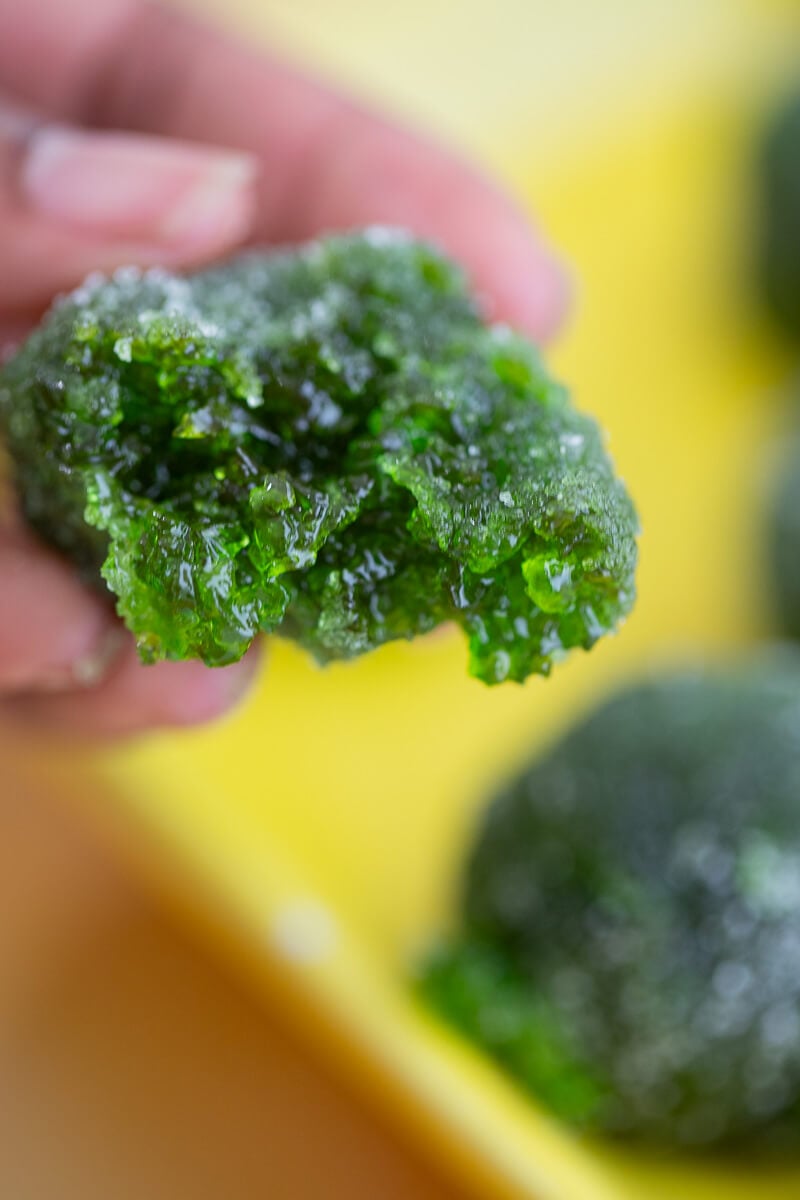
Despite being made from green paw paw, the finished snack is sweet rather than savory. The cooking process transforms the fruit into a chewy treat that’s often enjoyed alongside other homemade Caribbean snacks.
Ingredients
You’ll need just a few simple ingredients to make this traditional snack:
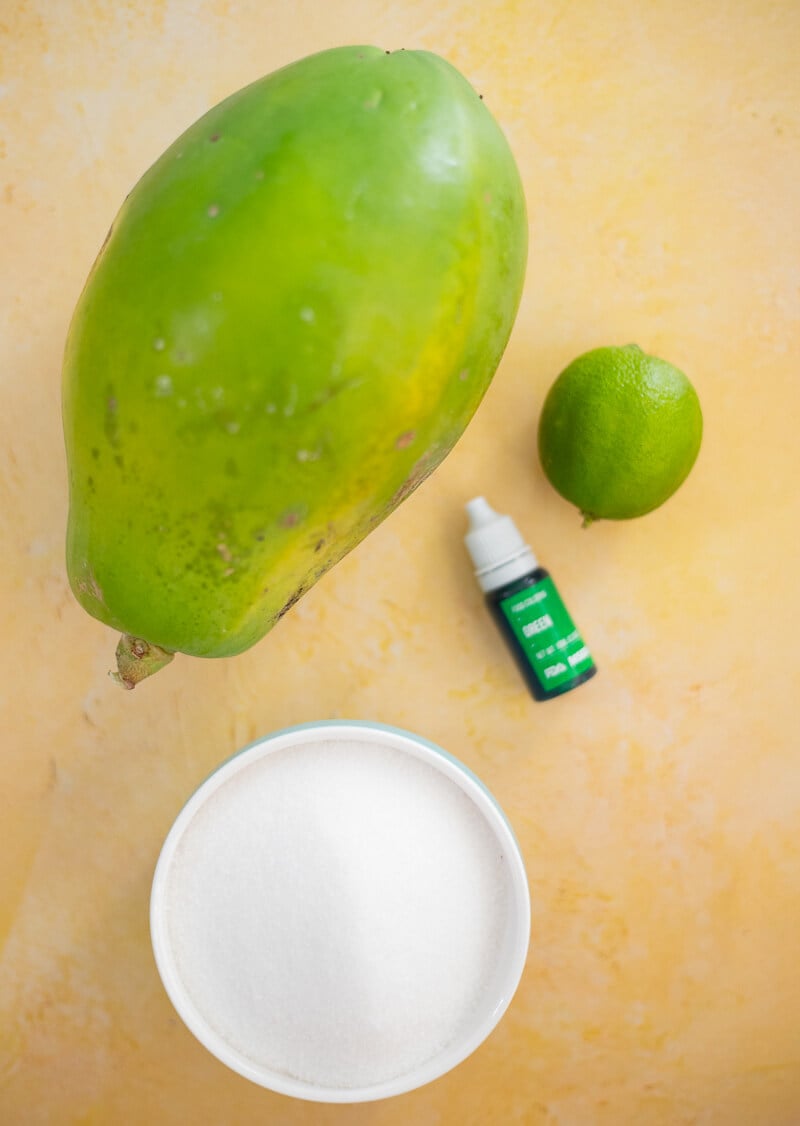
Green paw paw (papaya)
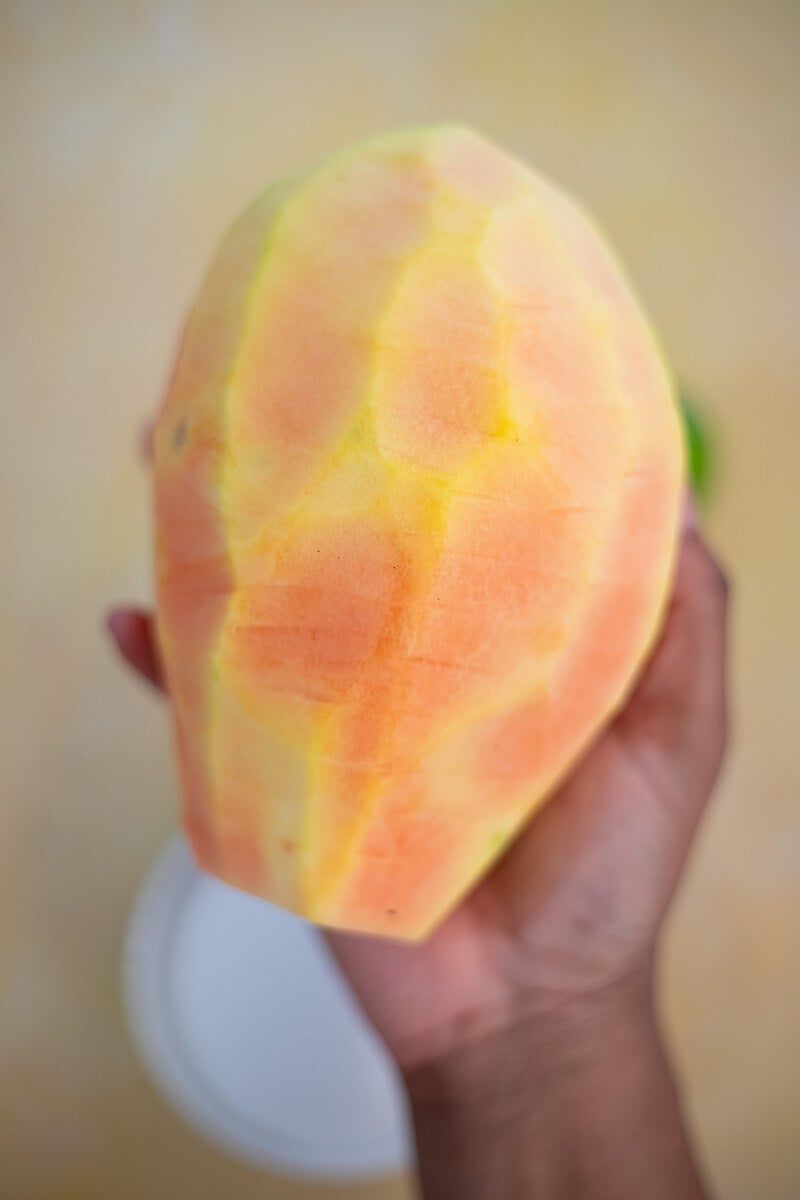
Use a green, firm paw paw for this recipe. Finely grate it using a food processor or hand grater, then squeeze out as much liquid as possible before measuring. Depending on the variety, green paw paw flesh can range from pale yellow to deep orange. As long as the fruit is firm and unripe, either will work for this recipe.
Lime
You’ll use both the zest and juice to add a bright citrus flavor that balances the sweetness.
Sugar
For best results, use approximately ¾ cup of sugar for every cup of squeezed paw paw pulp.
Green food coloring
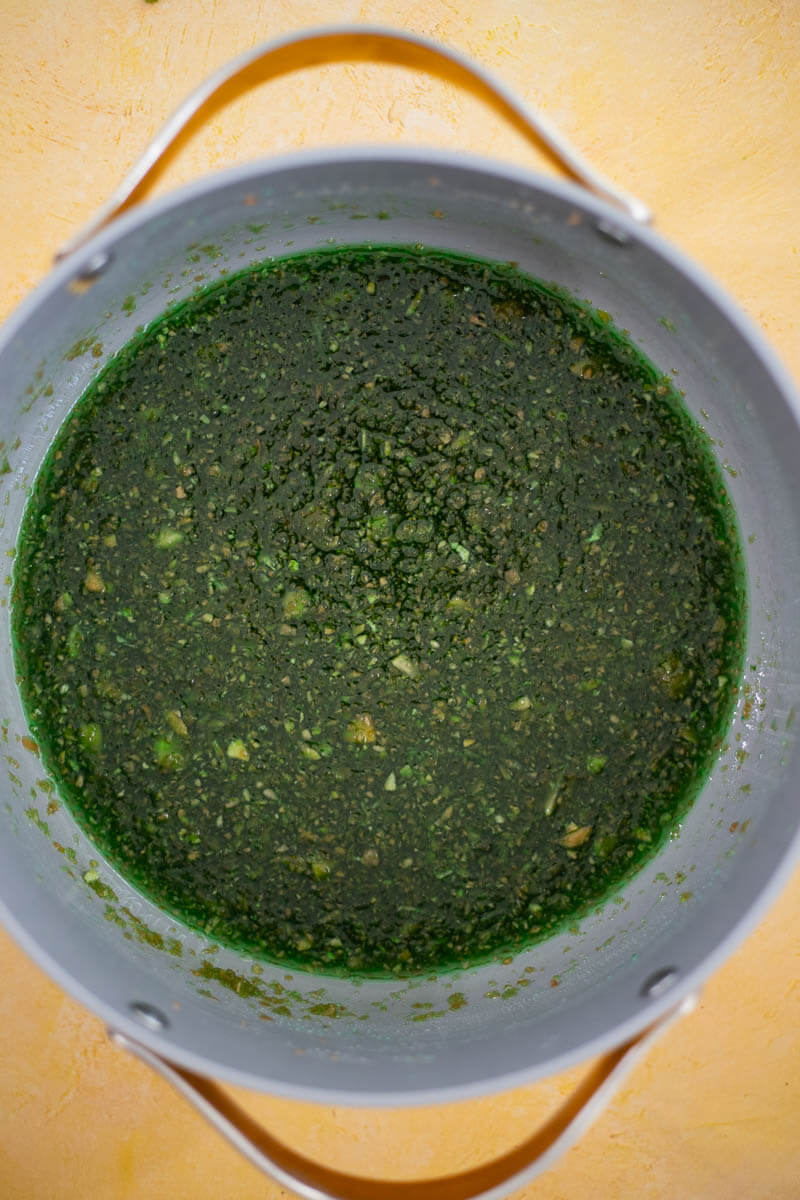
Traditional paw paw balls are usually colored green. I used the green food coloring I had on hand, which resulted in a darker shade. For a brighter, more traditional look, use a lime green food coloring.
How to Make Paw Paw Balls
- Peel the green paw paw and grate it using a food processor or hand grater.
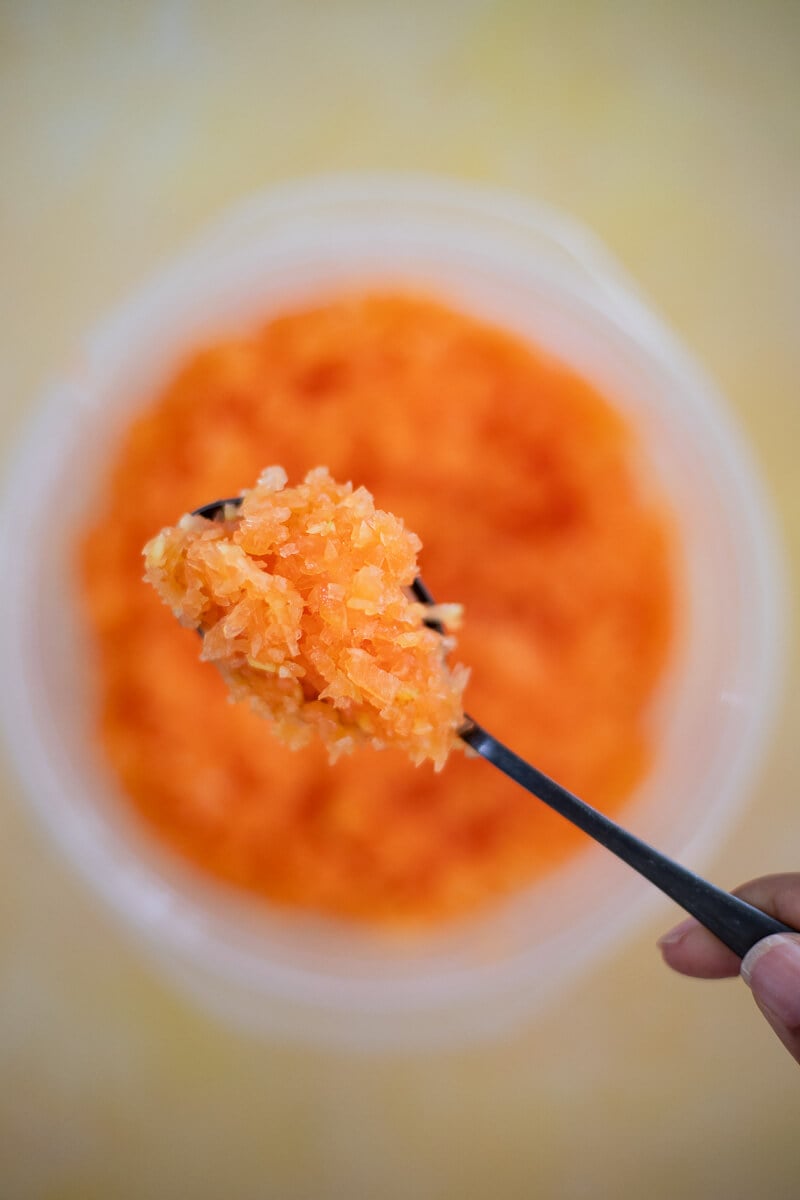
- Place the grated paw paw in a clean kitchen towel or cheesecloth and squeeze out as much liquid as possible. Measure out 3 cups of squeezed paw paw pulp.
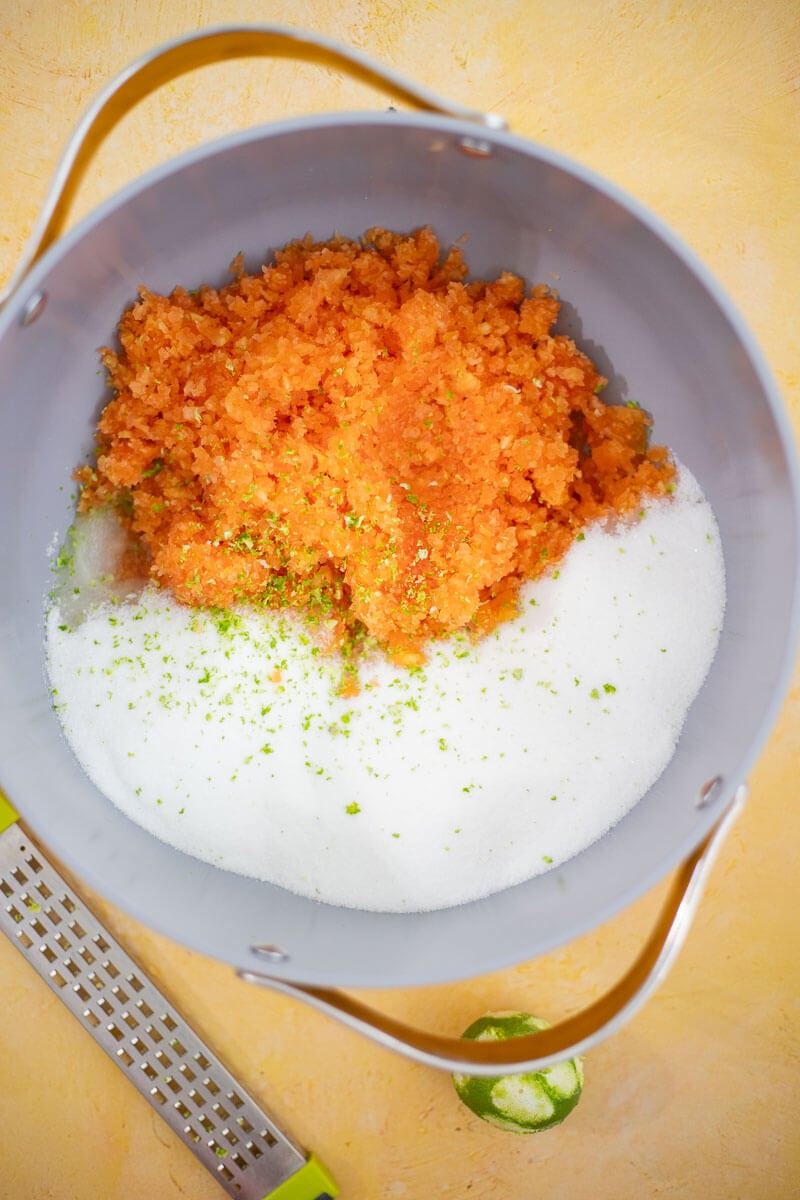
- Add the paw paw pulp, sugar, lime zest, and lime juice to a saucepan and stir to combine.
- Place the saucepan over medium-low heat and cook, stirring frequently, until the mixture thickens and becomes jam-like. This took about 45 minutes in my kitchen, but the exact time will vary depending on the moisture content of the paw paw.
- Add a few drops of green food coloring and stir until evenly combined. Use a lime green coloring for a brighter traditional appearance if desired.
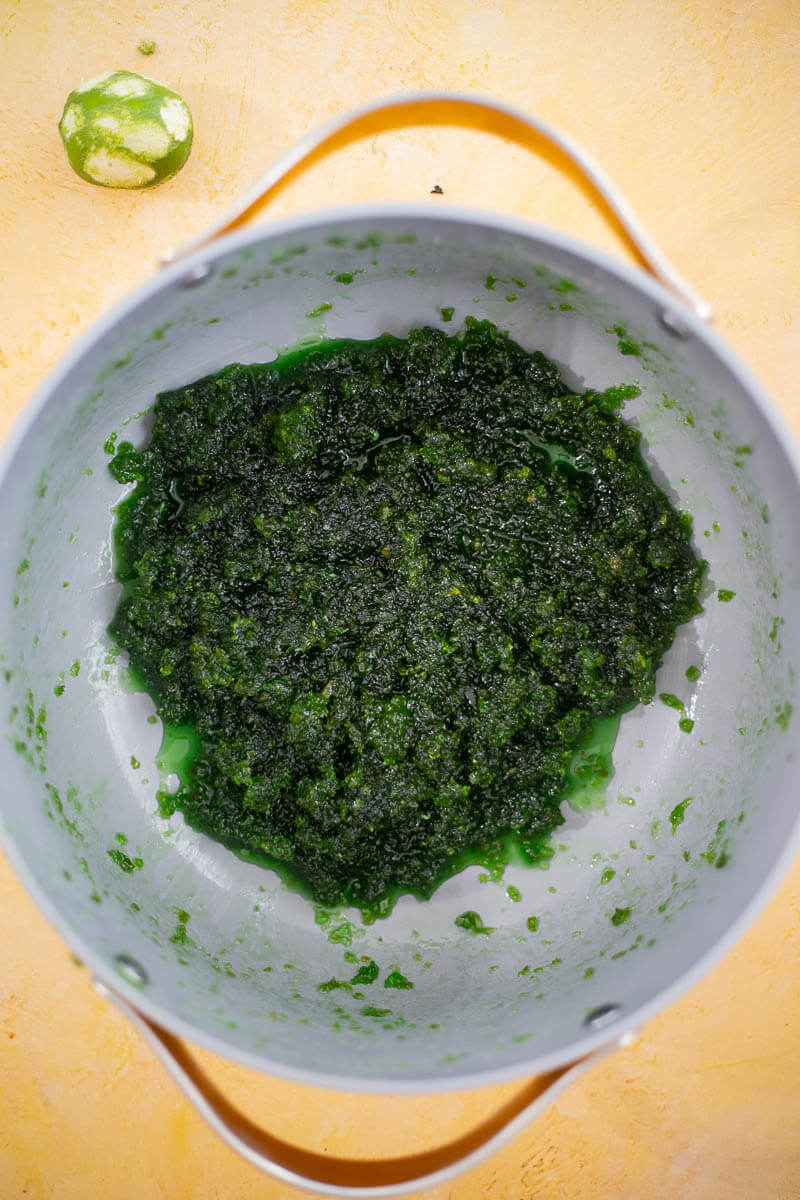
- Remove from the heat and allow the mixture to cool for about 10 minutes. The mixture should still be warm enough to shape. If it cools completely, it will become more difficult to work with.
- Lightly oil your palms. Scoop small portions of the mixture and shape into balls. If the mixture begins sticking heavily to your hands, wash and lightly oil them again before continuing.
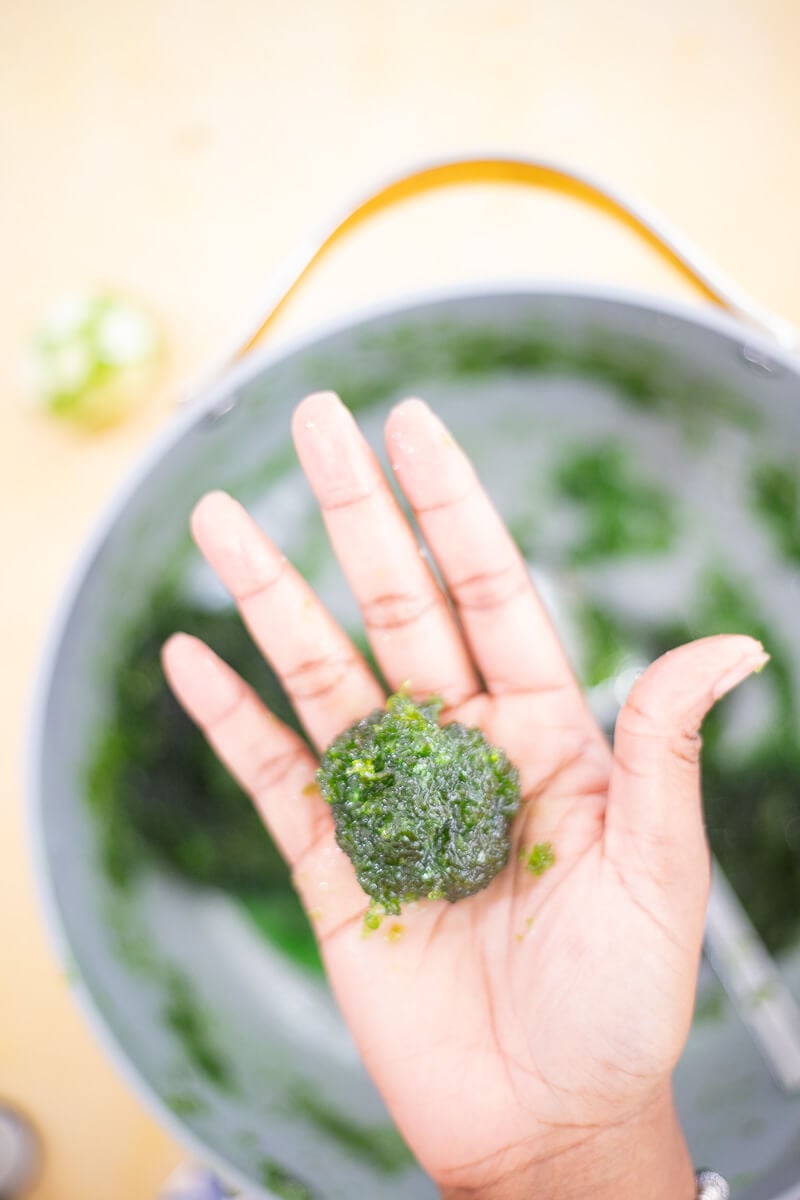
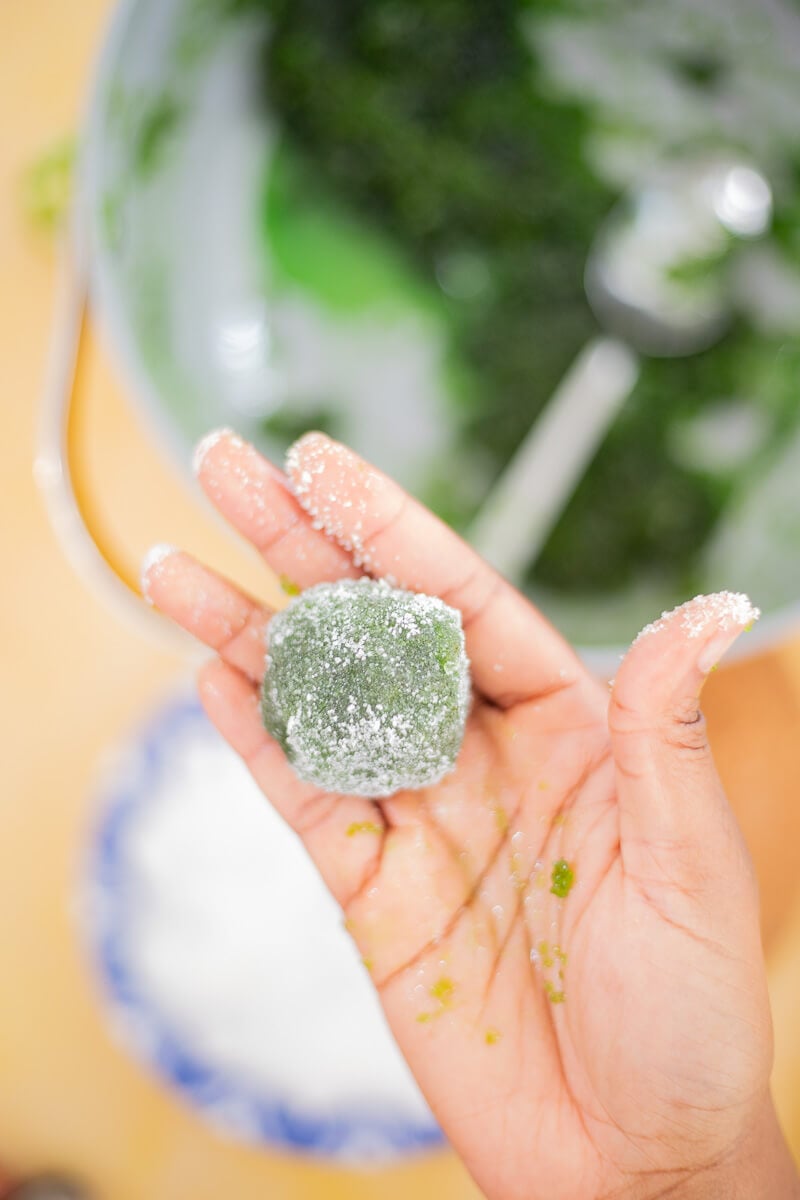
- Roll each ball in granulated sugar and place on a plate or tray to set before serving.
Tips for Success
Measure after squeezing the paw paw
After removing the excess liquid, measure the pulp before adding the sugar. Use approximately ¾ cup of sugar for every cup of squeezed paw paw pulp.
Cook until thick and jam-like
The mixture needs enough time to reduce and thicken. Keep stirring, especially near the end, to prevent sticking.
Oil your hands before shaping
The mixture is very sticky. Lightly oil your palms and reapply as needed while rolling the balls.
Shape while still warm
Let the mixture cool for about 10 minutes before shaping. If it cools completely, it becomes much harder to work with.
Use lime green food coloring for a traditional look
A lime green coloring will produce a brighter color, while a standard green coloring may result in a darker shade.
Storage
Store paw paw balls in an airtight container at room temperature for up to 5 days. If your kitchen is particularly warm, they can be stored in the refrigerator for up to a week. Allow refrigerated paw paw balls to come to room temperature before serving.
Frequently Asked Questions
No. This recipe is traditionally made with green paw paw. Ripe paw paw contains more moisture and will produce a different texture and flavor. If you’re looking for a way to use ripe paw paw, try my Paw Paw Punch recipe.
Removing excess liquid helps the mixture thicken more quickly and gives the finished paw paw balls their chewy texture.
Yes. The food coloring is mainly for appearance and does not affect the flavor of the finished snack.
The mixture should be thick and jam-like and able to hold its shape when scooped. It will continue to firm up slightly as it cools.
The mixture is naturally sticky. Lightly oiling your palms and reapplying oil as needed will make shaping much easier.
Yes. Use the same ratio of approximately ¾ cup sugar for every cup of squeezed paw paw pulp, and increase the ingredients as needed.
Recipe
Paw Paw Balls Recipe
Ingredients
Equipment
Method
- Peel the green paw paw and grate it using a food processor or hand grater.
- Place the grated paw paw in a clean kitchen towel or cheesecloth and squeeze out as much liquid as possible. Measure out 3 cups of squeezed paw paw pulp.
- Add the paw paw pulp, sugar, lime zest, and lime juice to a saucepan and stir to combine.
- Place the saucepan over medium-low heat and cook, stirring frequently, until the mixture becomes thick and jam-like, about 45 minutes.
- Add a few drops of green food coloring, if using, and stir until evenly combined.
- Remove from the heat and allow the mixture to cool for about 10 minutes. The mixture should still be warm enough to shape.
- Lightly oil your palms. Scoop portions of the mixture and shape into balls. If the mixture begins sticking heavily to your hands, wash and lightly oil them again before continuing.
- Roll each ball in granulated sugar and place on a plate or tray.
- Allow the paw paw balls to set before serving.
Notes
Use approximately ¾ cup sugar for every cup of squeezed paw paw pulp if scaling the recipe.
The mixture will be very sticky. Lightly oiling your hands makes shaping easier.
Don’t allow the mixture to cool completely before shaping or it may become difficult to work with.
Traditional paw paw balls are often bright green. A lime green food coloring will produce a lighter color than a standard green food coloring.
Depending on the variety, green paw paw flesh may range from pale yellow to deep orange. As long as the fruit is firm and unripe, it will work for this recipe.
Recipe Printed From ThisBagoGirl.com