What Is Farine? A Guide to Caribbean Cassava Farine
If you’ve ever seen farine in a Caribbean recipe and wondered what it actually is, the short answer is: ground cassava with a whole lot of history behind it. It’s a staple that shows up at breakfast, dinner, and everywhere in between.
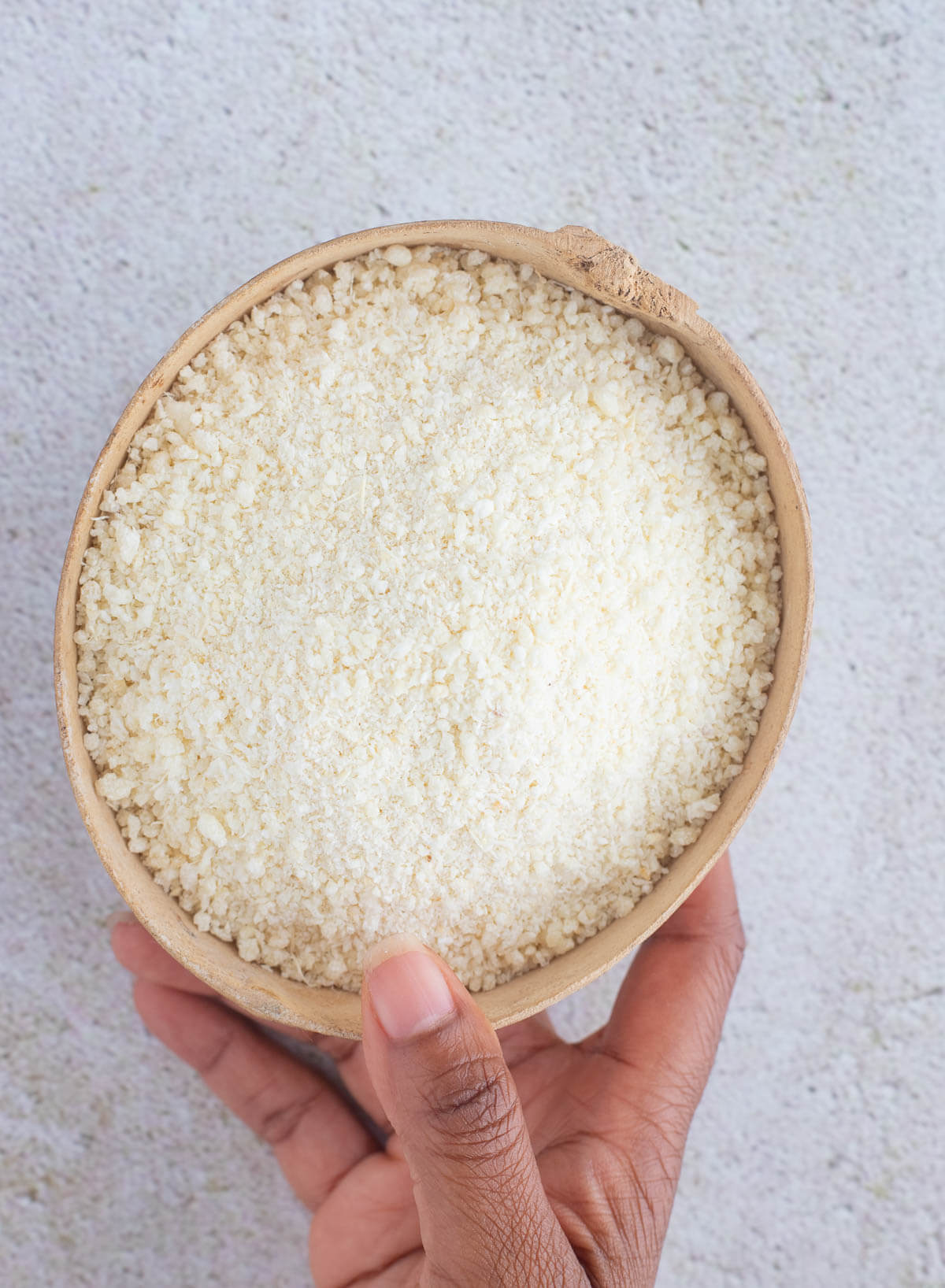
What is farine, and how is cassava farine made?
The word farine is French for flour, while farinha de mandioca is the Portuguese term for cassava flour. Across the Caribbean, farine refers to the coarse, toasted cassava product made through traditional processing methods. Cassava itself, also known as yuca or manioc, is a starchy root vegetable native to South America and widely cultivated throughout the Caribbean. It’s also one of the many ground provisions commonly used in Caribbean cooking.
Not all cassava is the same. There’s bitter cassava and sweet cassava, and the difference matters. Bitter cassava contains higher levels of cyanogenic glycosides, natural compounds that can produce toxic cyanide if the root isn’t properly processed. The peeling, grating, and pressing out the liquid steps exist specifically to remove that toxic juice and make it safe to eat.
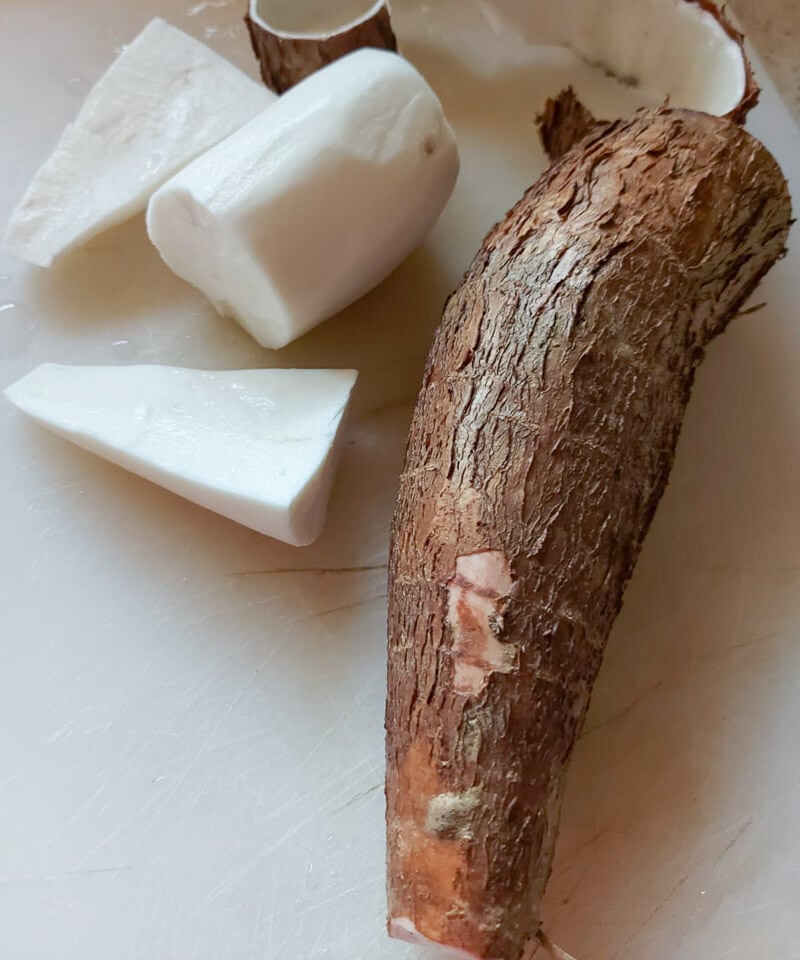
Cassava farine is made from the grated cassava pulp. The pulp is pressed to remove as much liquid as possible, then left to dry for several hours. It is then traditionally parched on a large metal plate, sometimes with salt and spices, until it is dry and toasted.
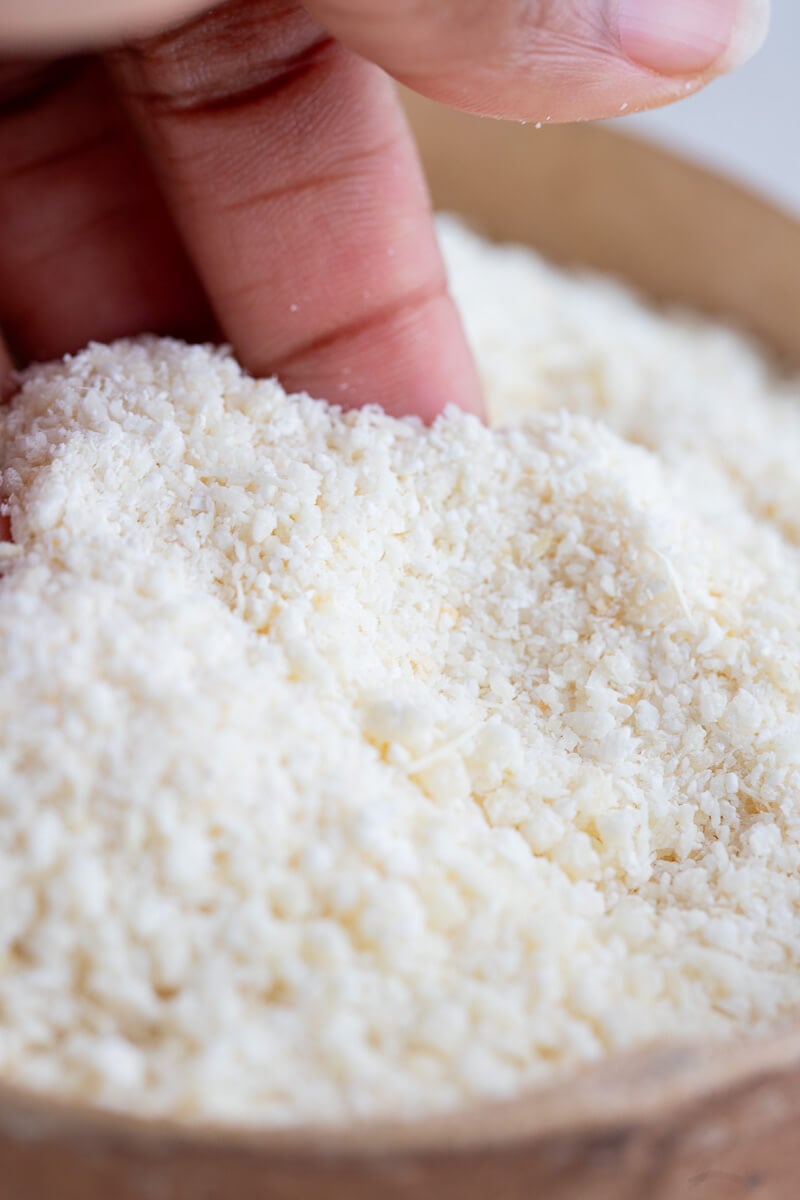
The finished product is a coarse-grain cereal. And that cereal can even be ground down further to create a fine, granular flour-like substance.
How to use farine in Caribbean cooking
It’s a staple in many Caribbean households. Here are some popular ways it’s used:
- Breakfast cereal or porridge: Growing up in Tobago, this is how I knew farine best. We would cook it with milk and spices into a warm porridge, similar to how you would prepare cornmeal porridge. It’s still one of the first ways I think of using farine.
- Side dish: Often served as a side dish, farine can be steamed or boiled and paired with meats, fish, or vegetables. It absorbs flavors well and complements a variety of dishes. Avocado balls using farine are also popular with St Lucians and Dominicans.
- Baking: In some Caribbean regions, it is used in baking, adding a unique texture to breads and pastries.
- Filler: It works as a filler in soups and stews, acting like a thickening agent for the broth and adding a subtle flavor.
If you want to explore more ways to use cassava itself, cassava pone is another traditional Caribbean favorite made with grated cassava.
Why farine is important in Caribbean cuisine
Farine holds a special place in Caribbean cuisine not just for its versatility, but also for its cultural significance. It’s a food that has been passed down through generations, often associated with traditional cooking methods and communal meals. For many, it’s a comfort food that evokes memories of home and family gatherings.
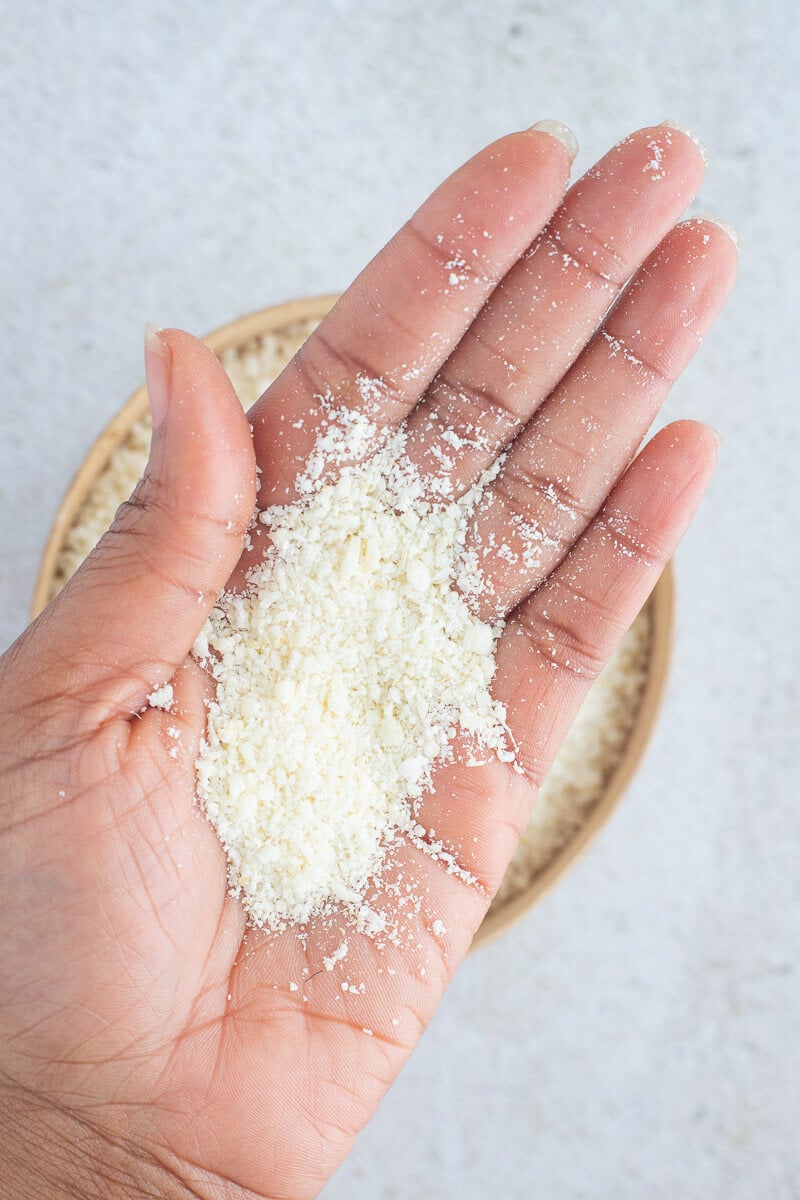
Farine nutrition
Farine is primarily a source of carbohydrates and is naturally gluten-free. It contains little protein or fat, so it is often paired with other foods as part of a meal.
How to get started cooking with farine
If you’re inspired to try farine, I usually have my mom bring me a large stash from Tobago when she travels. You can also find it at some Caribbean grocery stores or order it online from Caribbean retailers.
When you first get it, I suggest starting with a simple farine porridge for breakfast. Cooked with milk and spices, it’s an easy way to get familiar with the texture and mild flavor before trying farine in other dishes.
FAQs
Cassava is the root vegetable. Farine is what you get after you grate, press, dry, and toast it. Think of cassava as the starting point and farine as the finished product.
Farine has a mild, slightly nutty flavor with a coarse, grainy texture. It’s not bold on its own, which is exactly what makes it so versatile. It takes on the flavor of whatever you cook it with.
Not quite. Cassava farine is a coarse grain that is toasted, giving it a nuttier flavor and a grainier texture. Cassava flour is finely milled and closer to a traditional baking flour. Same root, very different results.
Your best bet is Caribbean grocery stores or online Caribbean retailers. If you’re in the diaspora like me, a family member visiting from back home works too. Ask nicely, they’ll pack a bag.
Farine is one of those ingredients that tells a story with every bite. It’s humble, versatile, and deeply Caribbean. If you’re just getting started, a warm bowl of farine porridge is the perfect introduction.