Sorrel vs Hibiscus: What’s the Difference?
If you’ve ever shopped for Caribbean sorrel and wondered whether it’s the same thing as hibiscus, you’re not alone. The two names are often used interchangeably, which can be confusing, especially when you’re trying to follow a recipe. While Caribbean sorrel comes from a type of hibiscus known as roselle, the difference is often less about the plant itself and more about culture, tradition, and how it’s used.
Quick Answer
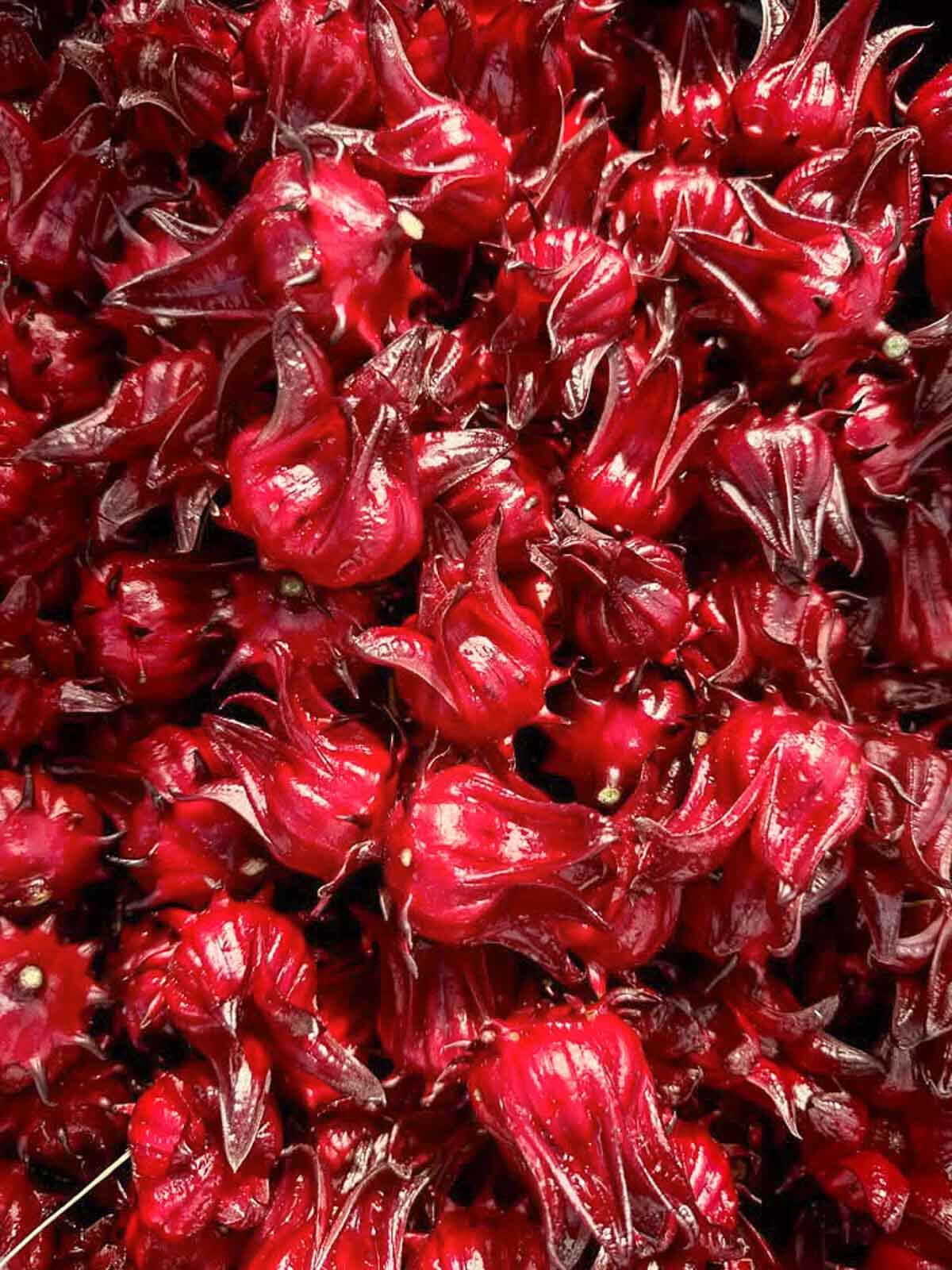
Sorrel and hibiscus often refer to the same edible plant, Hibiscus sabdariffa, also known as roselle. In the Caribbean, the plant is commonly called sorrel and is used to make drinks, sauces, and desserts. Outside the Caribbean, the same ingredient is more often sold as hibiscus and used in teas and herbal beverages.
What is sorrel?
In the Caribbean, sorrel refers to the bright red calyces of the roselle plant, a member of the hibiscus family.
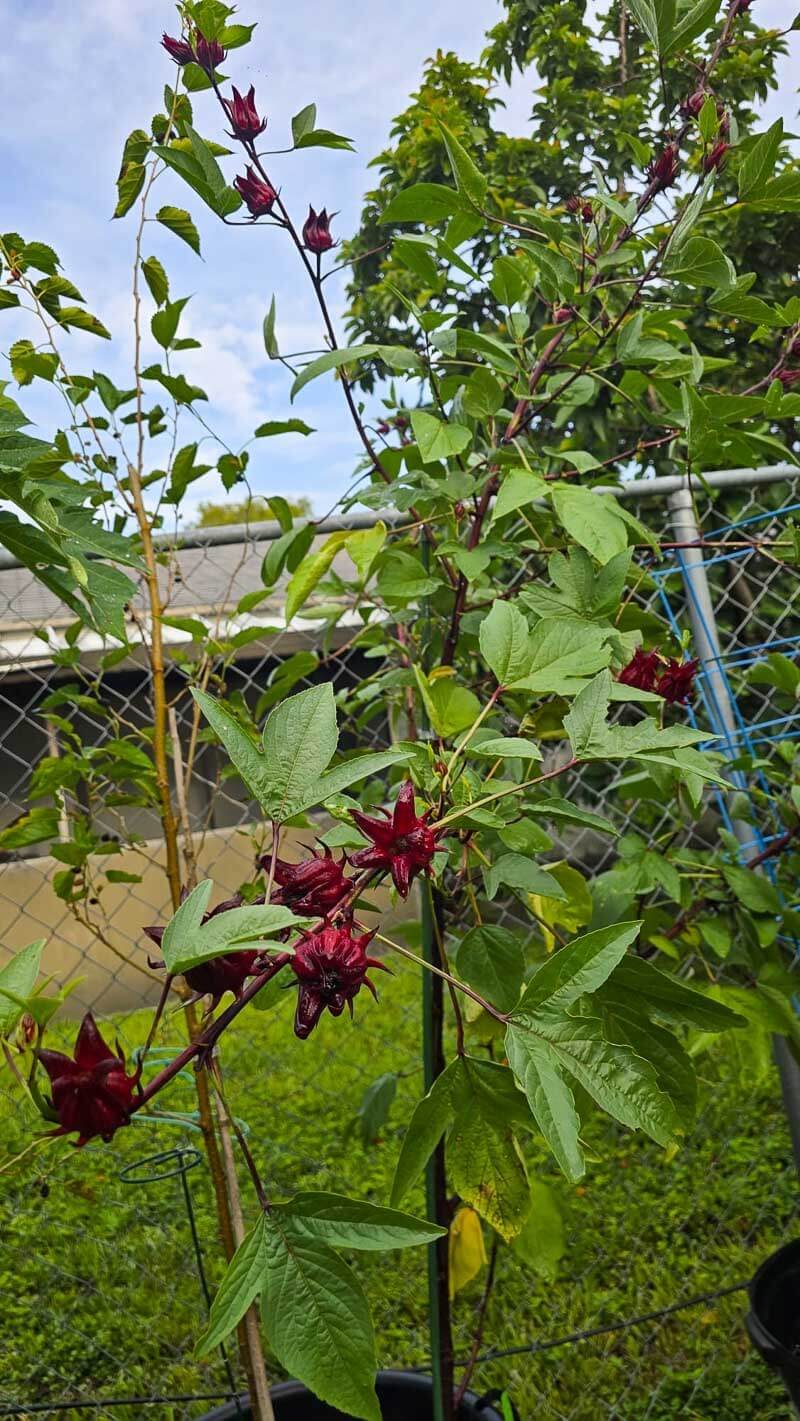
The calyx is the fleshy part that surrounds the seed pod and is the portion used in cooking and drinks.
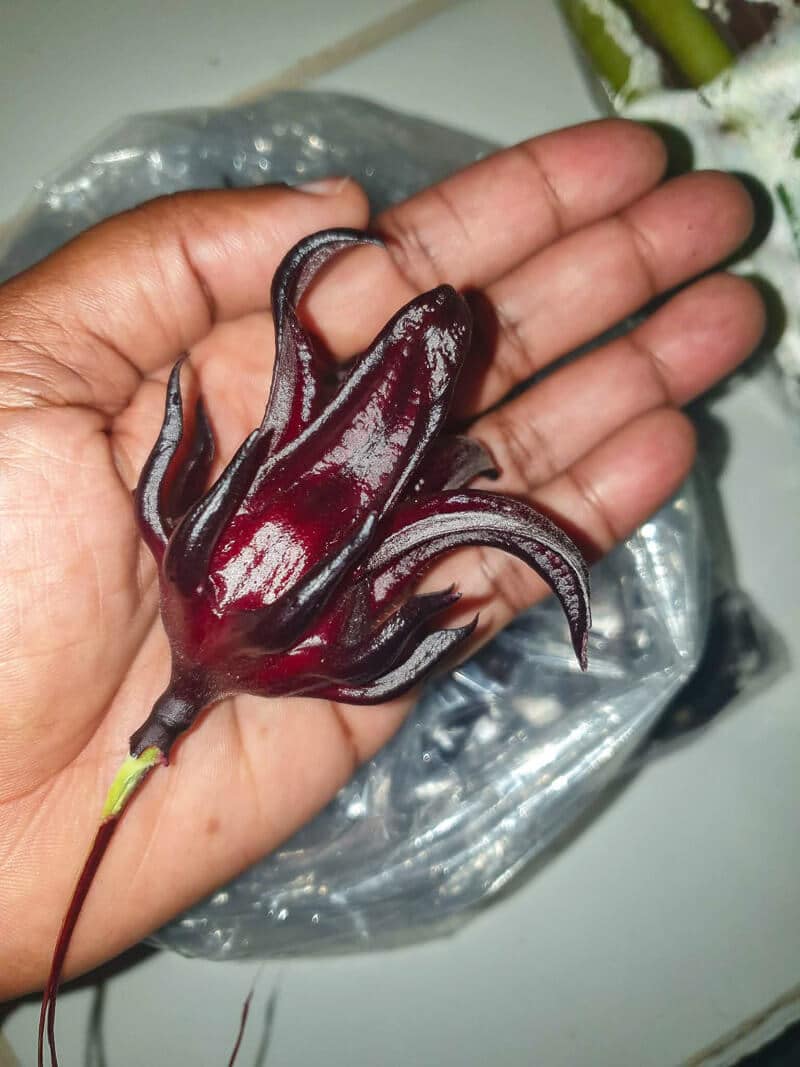
Sorrel is especially popular during the Christmas season in Trinidad and Tobago, Jamaica, Guyana, and other Caribbean islands. It is traditionally steeped with spices such as ginger, cloves, and cinnamon to make a festive drink that appears on many holiday tables.
Depending on where you live, you may find sorrel sold fresh during the harvest season or dried in packages throughout the year.
What is hibiscus?
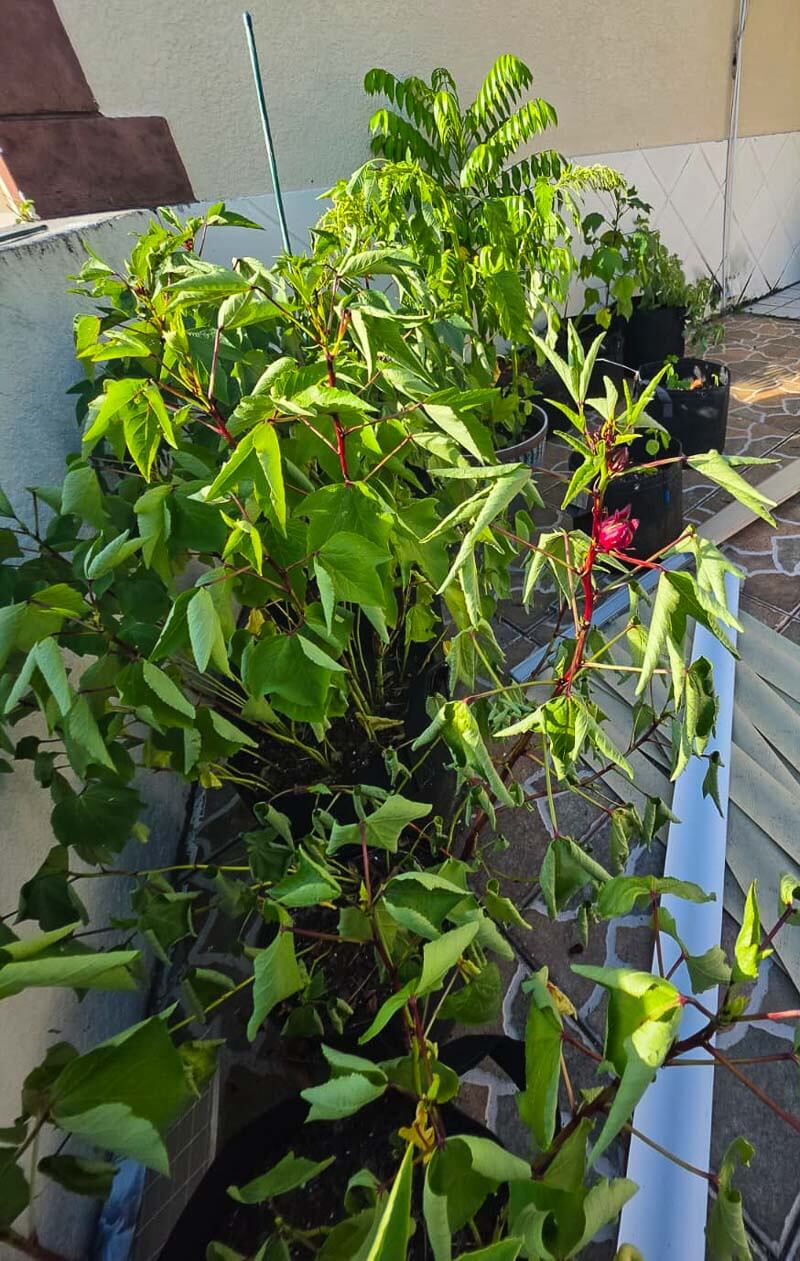
Hibiscus is a large family of flowering plants that includes hundreds of species grown around the world. Some are grown mainly for their ornamental flowers, while others are cultivated for food and beverages.
When people talk about hibiscus tea, hibiscus powder, or dried hibiscus flowers, they are often referring to roselle, the same plant used to make Caribbean sorrel. Depending on the country and culture, you may see it sold under names such as hibiscus, roselle, Agua de Jamaica in Mexico, or bissap in parts of West Africa.
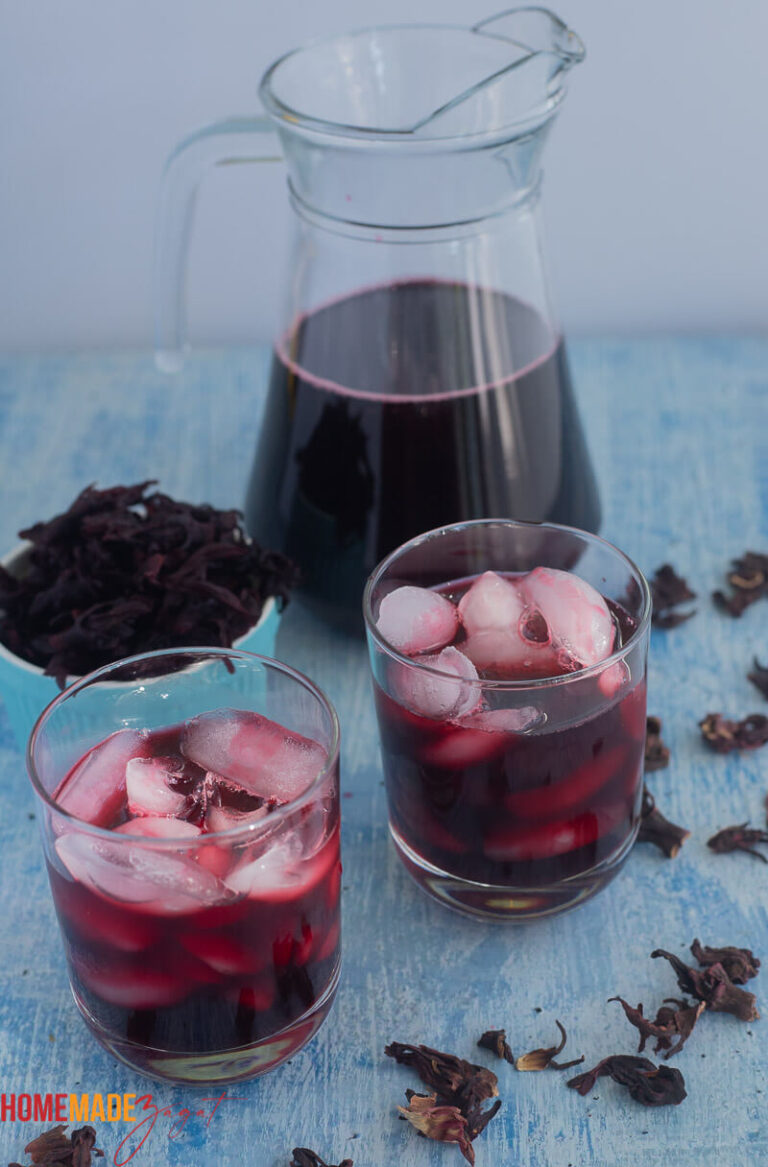
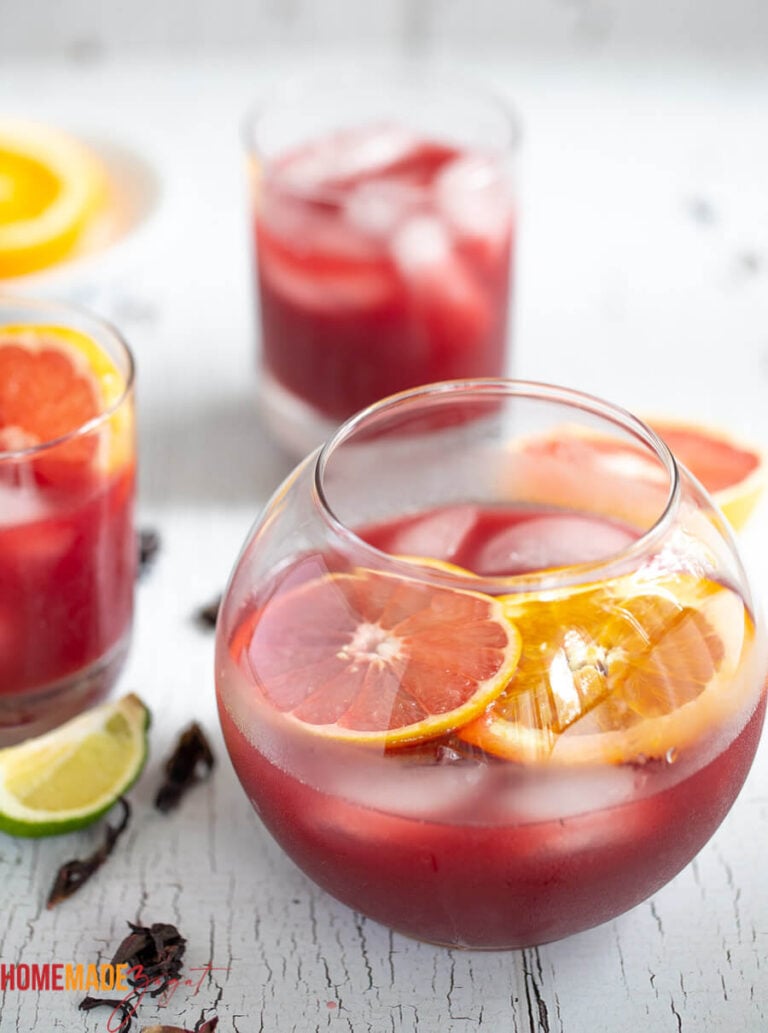
Today, hibiscus is commonly found in tea blends, syrups, jams, and beverages sold in grocery stores and health food shops around the world. The popular Mexican drink Agua de Jamaica is made by steeping dried hibiscus, much like Caribbean sorrel drink is made by steeping sorrel and spices in water.
Are sorrel and hibiscus the same thing?
Generally, yes. The sorrel used in Caribbean recipes and the hibiscus used in many teas and beverages often come from the same plant, Hibiscus sabdariffa, also known as roselle.
The confusion comes from the fact that hibiscus is the broader plant family name, while sorrel is the name commonly used throughout much of the Caribbean. As a result, a package labeled “hibiscus” in a U.S. grocery store may contain the same dried calyces that a Caribbean grocery store sells as sorrel. That’s why you may see the same ingredient sold as sorrel in a Caribbean grocery, hibiscus in a supermarket tea aisle, or used to make Agua de Jamaica in Mexican cuisine.
However, not all hibiscus plants are used for cooking and beverages. Many hibiscus varieties are grown only for their flowers and are not the same ingredient used to make sorrel drink.
| Feature | Sorrel | Hibiscus |
|---|---|---|
| Scientific name | Hibiscus sabdariffa | Often Hibiscus sabdariffa when used for food |
| Common usage | Caribbean recipes and drinks | Teas, beverages, and commercial products |
| Popular regions | Caribbean | Worldwide |
| Famous drink | Sorrel drink | Agua de Jamaica |
| Flavor | Tart, fruity, slightly floral | Tart, fruity, slightly floral |
Why do Caribbean people call it sorrel?
Across much of the Caribbean, the name sorrel has been used for generations to describe the deep red calyces of the roselle plant. It’s the name many of us grew up hearing at home, in markets, and during the Christmas season when fresh sorrel starts appearing on store shelves.
Growing up in Trinidad and Tobago, I always knew it as sorrel. It wasn’t until I started seeing hibiscus teas and dried hibiscus products in the United States that I realized many people were talking about the same ingredient using a different name.
Today, Caribbean recipes still overwhelmingly use the term sorrel, while many commercial products outside the region use hibiscus or roselle instead. That’s why someone searching for a sorrel recipe may end up finding hibiscus products, even though they’re often looking for the same ingredient.
Can You Substitute Hibiscus for Sorrel?
Yes, in many cases you can.
If you’re making a Caribbean sorrel drink and can’t find packaged sorrel, dried hibiscus sold for tea is often a suitable substitute, provided it is made from roselle. The flavor is similarly tart and fruity, making it a good alternative for drinks, syrups, and many recipes.
You can also use hibiscus tea bags in a pinch, though the flavor may be slightly lighter depending on the brand and blend. If using tea bags, check the ingredients to make sure hibiscus is the primary ingredient and not mixed with other herbs or flavorings.
When using hibiscus tea bags instead of sorrel, you may need more tea bags than expected to achieve the deep red color and bold flavor traditional sorrel recipes are known for.
For the most authentic flavor, look for dried sorrel or dried roselle calyces whenever possible.
Does Sorrel Taste Different From Hibiscus?
Not usually. Since sorrel and many hibiscus products come from the same plant, the flavor is often very similar.
Both have a bright, tart flavor that is sometimes compared to cranberry, pomegranate, or a sweet-tart berry. The biggest differences usually come from how the ingredient is prepared rather than the ingredient itself.
For example, traditional Caribbean sorrel is often steeped with ginger, cloves, cinnamon, and sugar, creating a richer and more spiced flavor profile than a simple cup of hibiscus tea. Because of this, many people associate sorrel with a deeper, more festive flavor even though the base ingredient is often the same.
Recipes Made With Sorrel
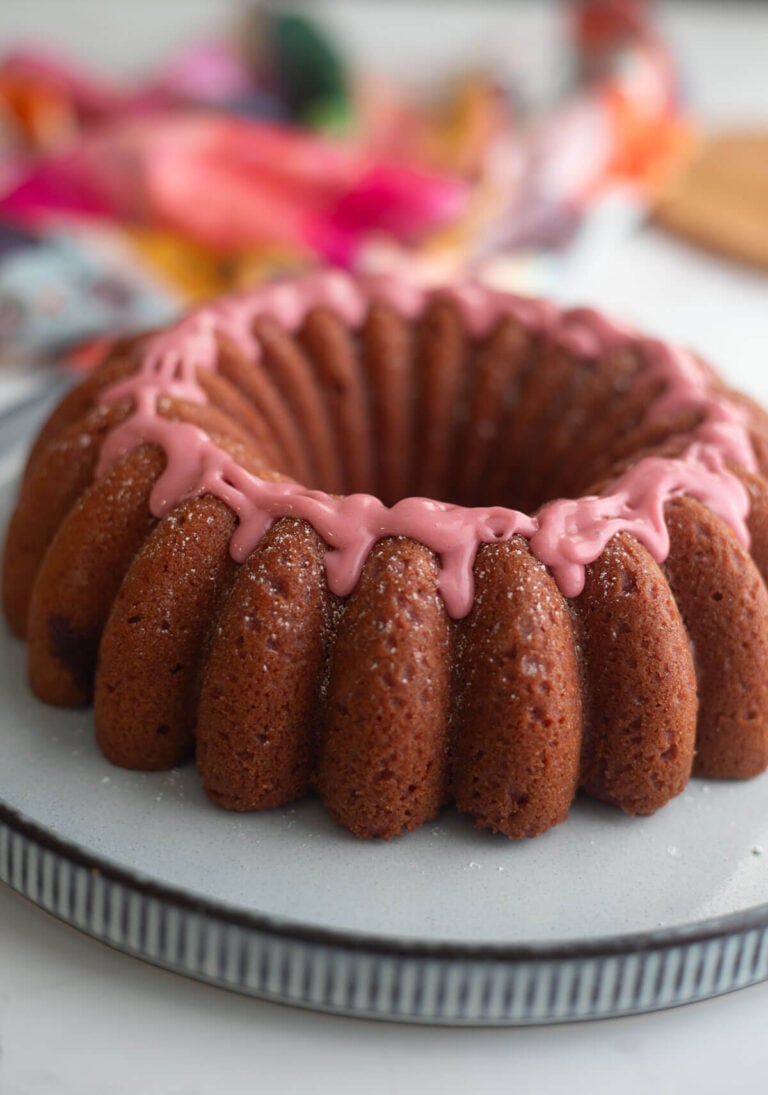
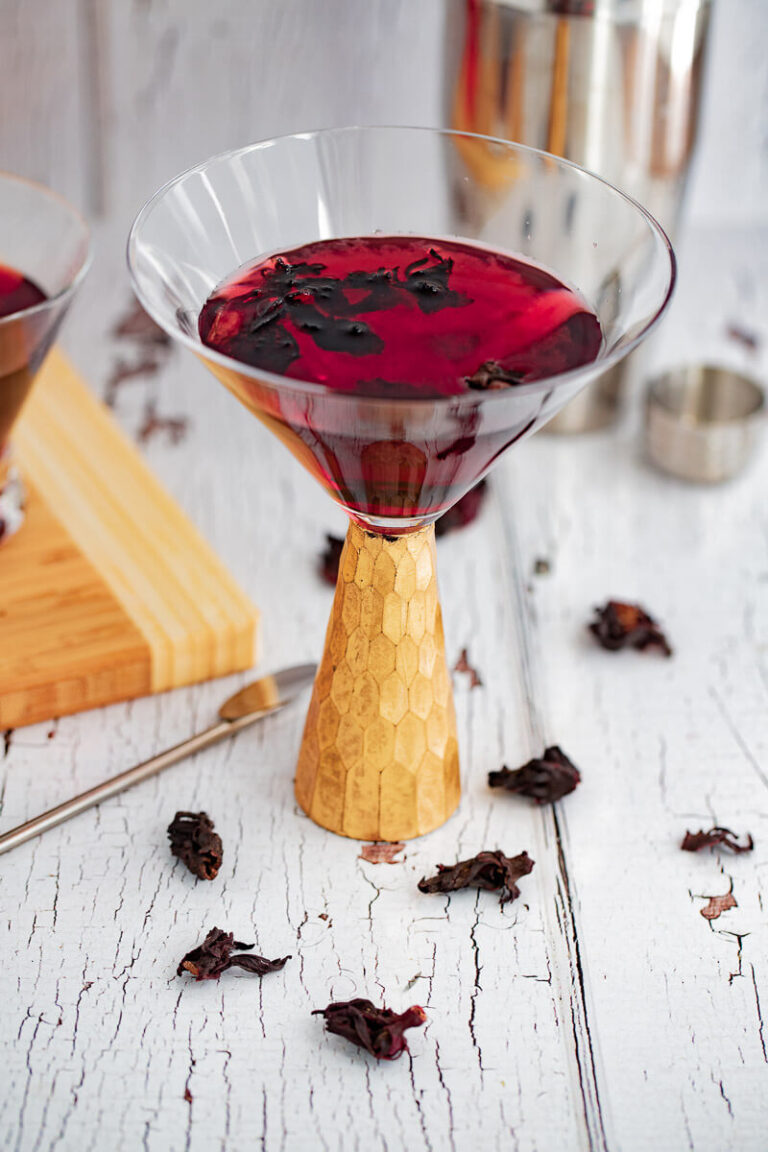
Looking for ways to use sorrel? Here are some of my favorite Caribbean sorrel recipes:
Each recipe highlights the tart, fruity flavor that makes sorrel such a beloved Caribbean ingredient.
FAQ
Yes. Jamaican sorrel is typically made from Hibiscus sabdariffa, the same plant commonly sold as hibiscus or roselle in other parts of the world.
Yes. Hibiscus tea bags can be used when dried sorrel isn’t available, though the flavor may be slightly lighter depending on the brand.
In many Caribbean countries, sorrel has become a traditional Christmas drink served at family gatherings, holiday meals, and celebrations. Many people look forward to sorrel season each year.
The part used in recipes is the red calyx, which surrounds the seed pod of the roselle plant. While it grows alongside the flower, the calyx is the portion typically harvested and dried for culinary use.
In the United States, sorrel is often sold as hibiscus or roselle. You’ll commonly find it in the tea aisle, international grocery stores, Caribbean markets, or online.
Yes. Roselle is another common name for Hibiscus sabdariffa, the plant used to make Caribbean sorrel drink. Depending on where you live, you may see the same ingredient sold as sorrel, roselle, or hibiscus.