Calabaza Pumpkin: A Caribbean Guide to Cooking and Using It
Sweet, slightly nutty, and used throughout Caribbean cooking, calabaza pumpkin is the pumpkin I reach for in everything from soups and stews to rice dishes and drinks. If you’ve seen those big green, tan, or mottled pumpkins at Caribbean and Latin markets, this guide will show you exactly what they are and how to use them.
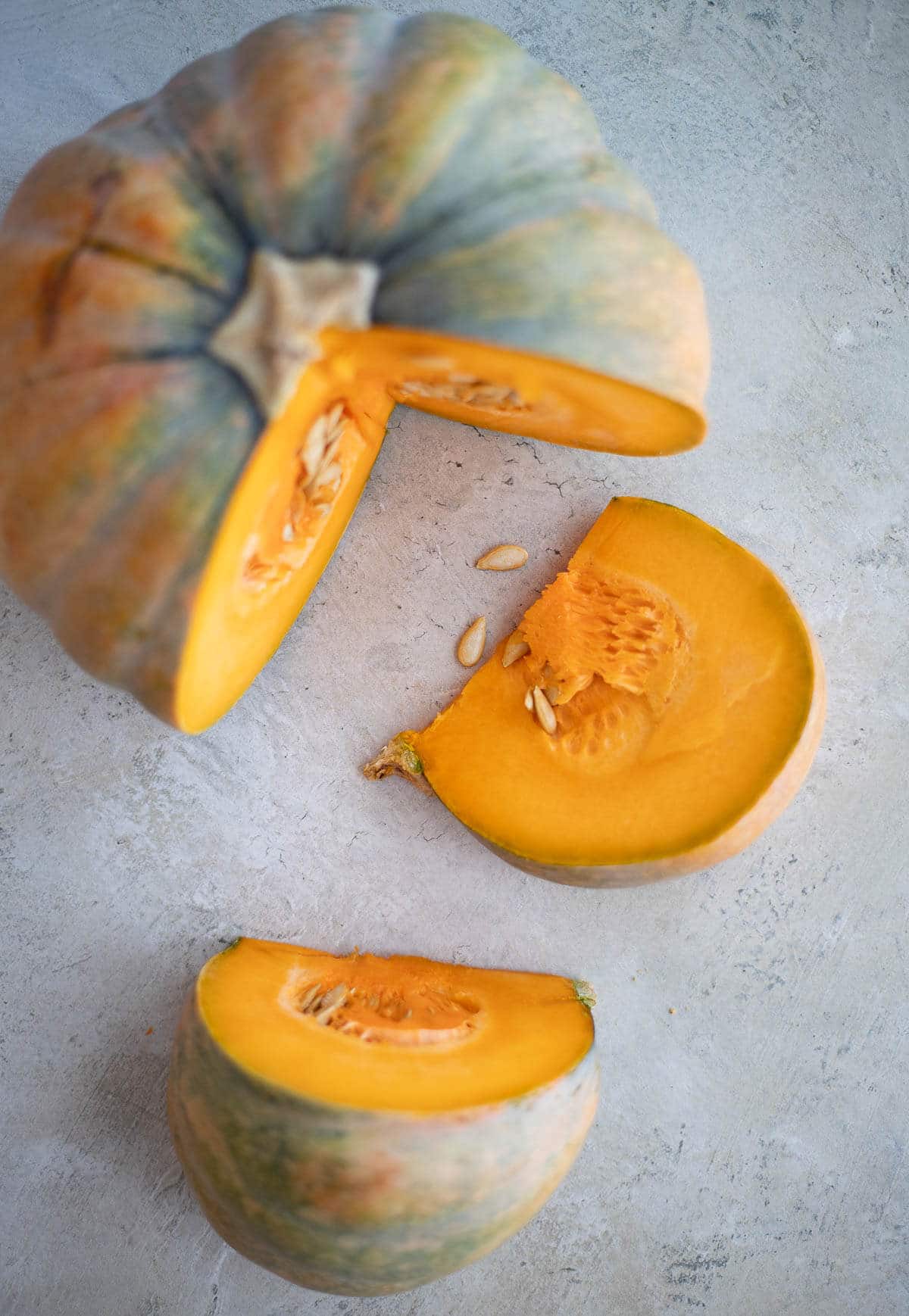
Calabaza is a staple across the Caribbean and Latin America, and it’s one of those ingredients that can go in plenty of directions. I use it in savory dishes like soup and pumpkin choka, but it also works beautifully in fritters, rice, and creamy pumpkin punch.
Let’s get into what calabaza is, what it tastes like, how to choose and store it, and some of my favorite Caribbean ways to cook with it.
What is calabaza pumpkin?
Calabaza is a type of winter squash commonly used as pumpkin throughout the Caribbean and Latin America. It has thick green, tan, or mottled skin with dense orange flesh that becomes soft and creamy when cooked. You may also see it sold as Caribbean pumpkin, West Indian pumpkin, or Cuban pumpkin.
Unlike the bright orange pumpkins commonly sold in the U.S. during fall, calabaza has a denser texture and a naturally sweet, slightly nutty flavor. That makes it useful in both savory and sweet recipes.
Across the Caribbean, we use pumpkin in plenty of ways. It gets cooked into soups and stews, mashed or cooked down as a side, added to rice, and even used in drinks. It’s one of those ingredients I almost always have around, whether fresh or portioned out in my freezer.
What does calabaza pumpkin taste like?
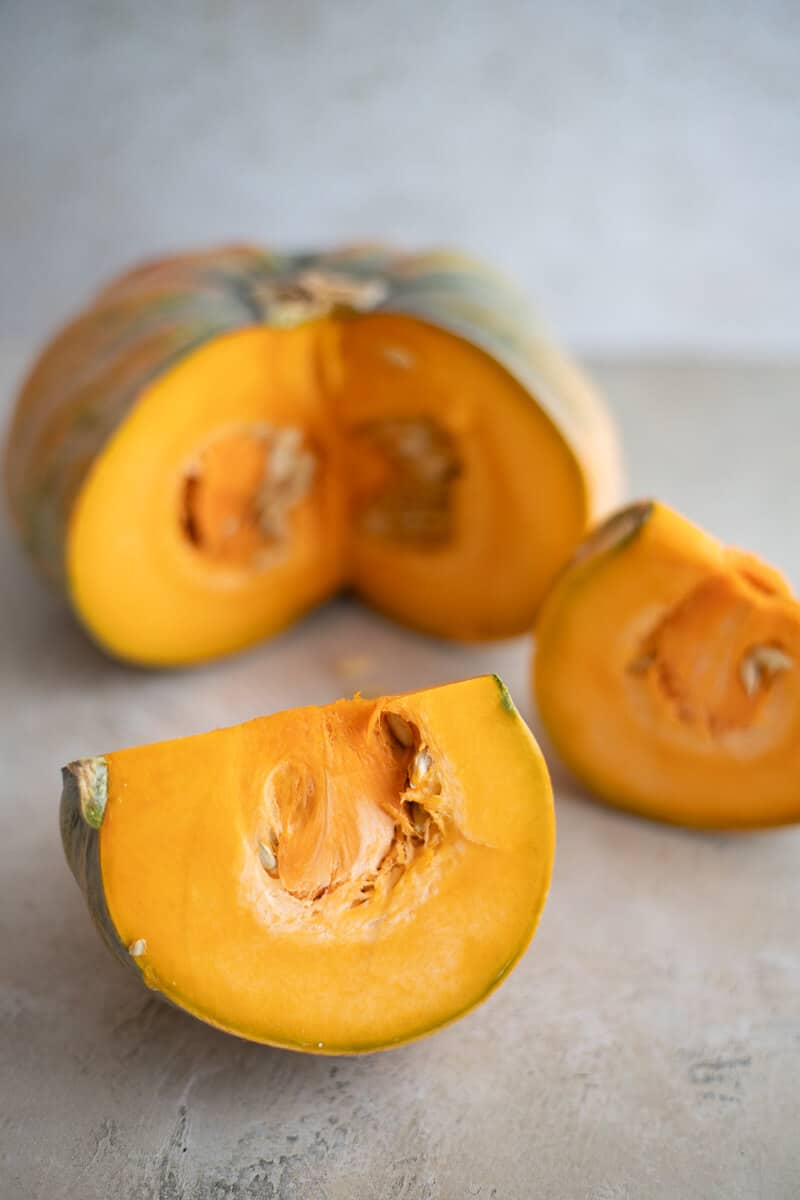
Calabaza pumpkin has a mildly sweet, slightly nutty flavor with a texture similar to butternut squash. The flesh is dense when raw but becomes soft and creamy as it cooks.
When boiled or simmered, it can easily be mashed or allowed to cook down into soups and stews. Roasting brings out more of its natural sweetness and gives the edges some caramelization.
Its mild flavor also takes seasoning well, which is one reason it works in so many Caribbean dishes, from curries and soups to rice, fritters, and drinks.
How to cook calabaza (and use it)
Learning how to cook calabaza is pretty simple once you get past that thick rind. For most recipes, I cut a whole pumpkin into manageable wedges, scoop out the seeds, peel the wedges, and then cut the flesh into cubes.
You don’t always have to peel it first, though. If you’re simply boiling calabaza, you can cut it into smaller pieces and boil it with the rind still on, then remove the skin once the pumpkin is tender.
From there, you can boil, simmer, roast, fry, or mash it depending on what you’re making. Here are some of my favorite Caribbean ways to use it:
- Boiled or steamed: A go-to base for soups, stews, or a simple mash. Once tender, it melts beautifully into dishes like Pumpkin Choka and pumpkin shrimp.
- Soups: Calabaza is a natural fit for creamy or brothy soups. It cooks down soft and blends smoothly, making it perfect for recipes like my Caribbean Pumpkin Soup and other hearty island-style soups.
- Roasted: Toss the chunks with a little oil, salt, and pepper, then roast until the edges caramelize. Roasting deepens that natural sweetness. Great as a side or tossed into salads.
- Fritters: Mix mashed calabaza with flour, spices, and a touch of sugar to make crisp, golden Pumpkin Fritters. A snack that’s pure island comfort.
- Rice dishes: Stir grated or mashed calabaza into rice while it cooks to make rich, golden Pumpkin Rice. It adds color, flavor, and that perfect creamy texture.
- Drinks: Yep, calabaza can even make a creamy, spiced Pumpkin Punch. Thick, sweet, and full of cozy flavor.
Whether you’re making something savory or sweet, calabaza adds that signature Caribbean warmth to every dish.
Where to buy and how to store calabaza
You can usually find calabaza pumpkin at Caribbean, Latin, and some international grocery stores. It may be sold whole or already cut into wedges. The skin can range from green to tan or mottled orange, so don’t worry if it doesn’t look like the typical bright orange pumpkin you see during fall. Look for firm pumpkin with no soft spots and, when buying cut pieces, bright orange flesh.
I usually cut a whole calabaza the same day I buy it or the next day. If I know I’m cooking with pumpkin soon, I’ll keep what I need in the refrigerator and freeze the rest.
For freezing, I peel and cube the pumpkin, then portion it into 1-pound bags. That makes it easy to grab exactly what I need for soup or another recipe, and I can add the frozen pumpkin straight to the pot without thawing it first.
And a little kitchen truth: cutting a whole calabaza can be a workout. The rind is thick, so use a sharp, sturdy knife and cut it into manageable wedges before peeling and cubing.
FAQs about calabaza pumpkin
Calabaza is a type of winter squash, but throughout the Caribbean and Latin America, it’s commonly referred to and used as pumpkin. You may also see it sold as Caribbean pumpkin, West Indian pumpkin, or Cuban pumpkin.
The skin can soften when cooked, but I usually remove it before eating. For most recipes, I peel the pumpkin before cutting it into cubes. If I’m boiling calabaza, I may leave the rind on while it cooks and remove it once the pumpkin is tender, when it’s much easier to peel.
Yes. Calabaza can usually be used in recipes that call for pumpkin or winter squash, especially butternut squash. Just keep in mind that the texture and moisture can vary between varieties, so you may need to adjust the cooking time or liquid depending on the recipe.
Cut the pumpkin into manageable wedges, scoop out the seeds, then peel and cube each wedge. If you’re boiling it, you can leave the rind on and peel it off once the pumpkin is tender.
Yes. I usually buy a whole calabaza, peel and cut it up, then freeze it in 1-pound portions so it’s ready whenever I need it. I use the frozen pumpkin straight from the freezer for soups, so there’s no need to thaw it first.
Wrap-Up
Whether you call it calabaza pumpkin or pumpkin calabaza, this tropical favorite brings color, sweetness, and that unmistakable Caribbean comfort to any dish. From hearty stews and pumpkin rice to creamy drinks and fritters, it’s one ingredient that always earns its spot on the counter.
Now that you know your way around calabaza, put that pumpkin to work! Browse my pumpkin recipes for more ways to use it, from savory Caribbean dishes to drinks and sweet treats.