
Trinidad Cow Heel Soup Recipe
Cow heel soup is the original Saturday soup for me. This Trinidad-style cow heel soup is loaded with tender cow heel, split peas, pumpkin, sweet potato, corn, carrots, and dumplings, all simmered together into a thick, flavorful soup.
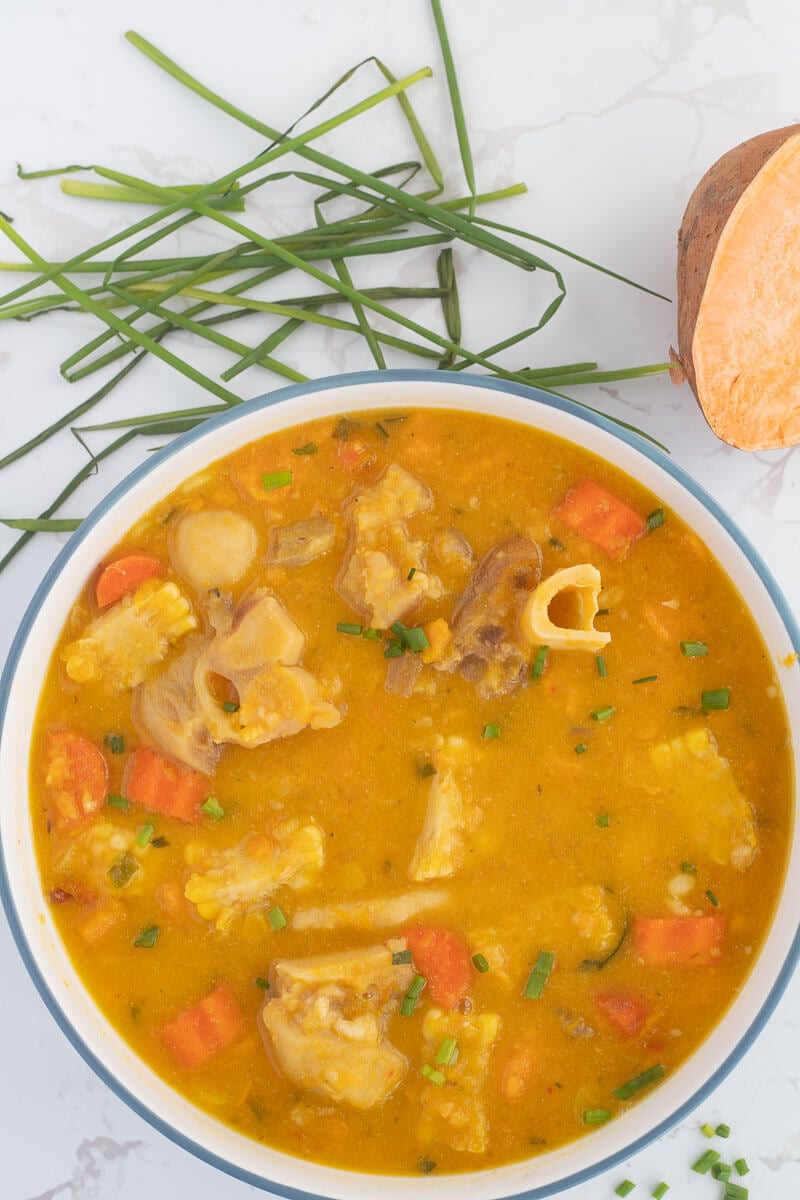
Growing up in Trinidad and Tobago, Saturdays were for trips to the market, coming home with all the fresh goodies, and putting on a big pot of soup. That was lunch, usually dinner too, and if you were lucky, there were leftovers for the next day.
Our soups aren’t shy either. We fill the pot with meat, provisions, vegetables, peas, and dumplings, making them a full meal all on their own.
This cow heel soup was a family favorite in my house growing up and, in my opinion, the OG of Soup Saturdays. The cow heel cooks until tender, while the split peas break down to create a thick base for the vegetables, provisions, and dumplings.
It’s one of those soups that takes a little time, especially if you’re cooking the cow heel on the stovetop, but that pot is worth the wait.
In this recipe, you’ll learn:
- How to make Trinidad-style cow heel soup with split peas, provisions, and dumplings.
- How to get cow heel tender using the stovetop, pressure cooker, Instant Pot, or slow cooker.
- Simple tips for getting the right soup consistency and fixing common problems along the way.
What is cow heel?
Cow heel, also called cow foot, is the lower part of the cow’s leg and is made up mostly of skin, tendons, cartilage, and connective tissue rather than a lot of meat.
It needs a longer cooking time to become tender, but as it cooks, the connective tissue breaks down and gives the broth that rich, slightly gelatinous texture cow heel soup is known for.
In Trinidad and Tobago, we also use cow heel to make cow heel souse, where the tender pieces are served in a seasoned, citrusy broth with cucumber, pepper, and fresh herbs.
You can usually find cow heel already cleaned and cut into pieces at Caribbean, Latin American, or Asian markets. If you’ve never cooked it before, don’t let the long cooking time scare you. A pressure cooker or Instant Pot can speed things up considerably.
Ingredients for cow heel soup
The ingredient list may look long, but Caribbean soups are meant to be loaded up. Here are the main ingredients you’ll need for this cow heel soup.
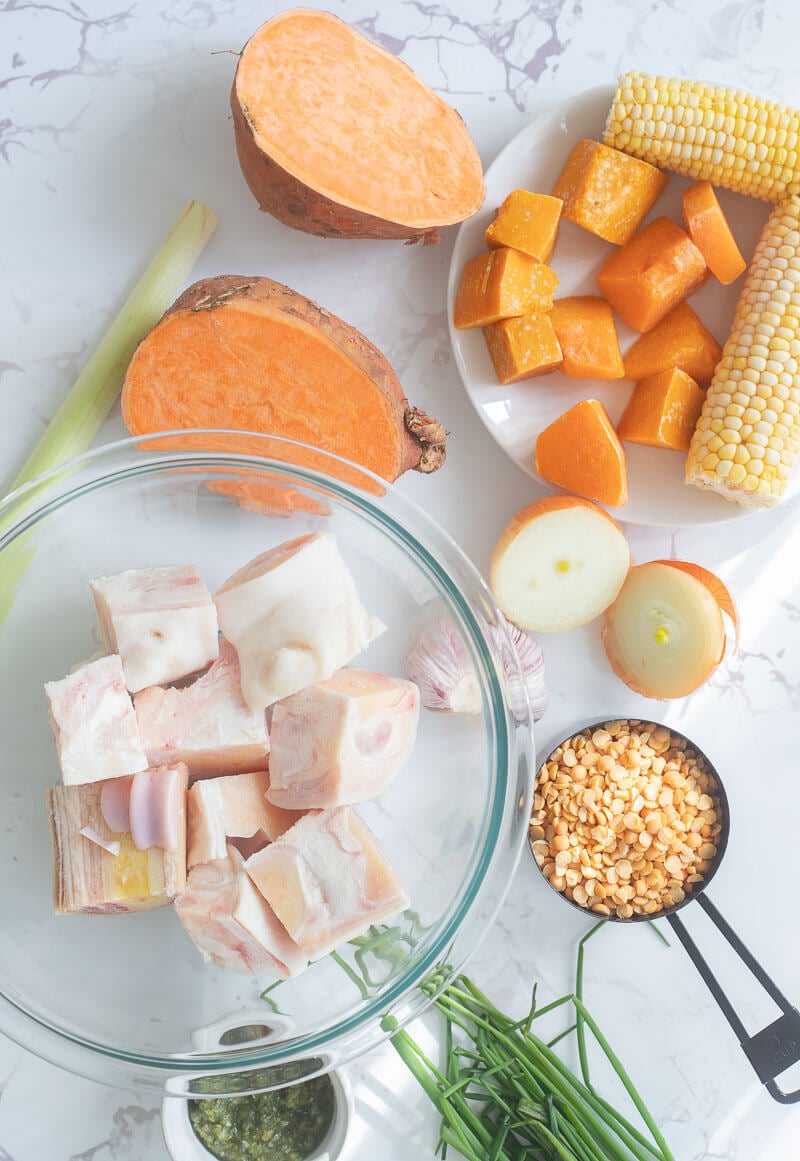
- Cow heel (cow foot) – The star of the soup. Look for cow heel that has already been cleaned and cut into manageable pieces.
- Yellow split peas – These cook down to help create the thick base of the soup. I like to soak the split peas overnight before making the soup, which helps them soften more quickly as they cook. Drain and rinse them before adding them to the pot.
- Green seasoning – Adds that familiar Caribbean blend of fresh herbs and aromatics to the cow heel as it cooks.
- Pumpkin – I use calabaza pumpkin, which softens as the soup cooks and helps thicken the broth.
- Sweet potato – Adds a little sweetness and makes the soup more filling.
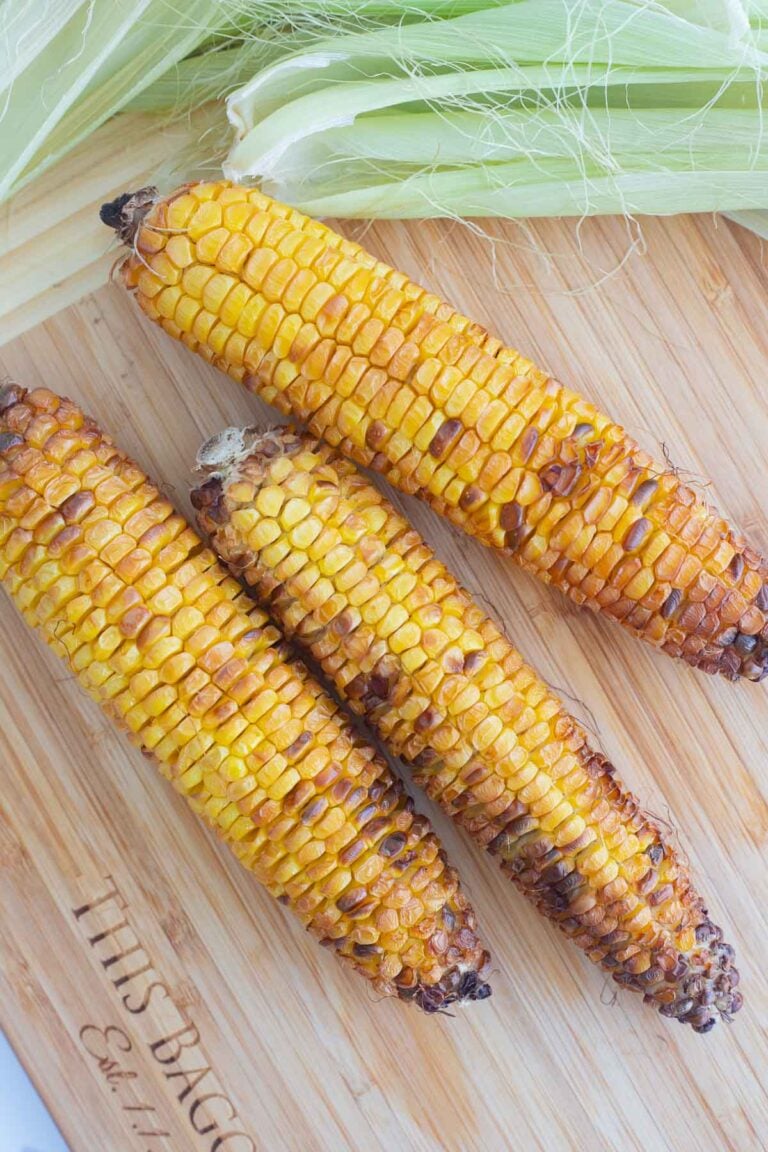
- Carrot and corn – Add sweetness, texture, and plenty of goodness to the pot.
- Onion and garlic – These go in early with the cow heel to start building flavor.
- Celery and chive – Fresh herbs added later in the cooking process for more flavor.
- Hot pepper – Scotch bonnet is a good choice if you want some heat. Keep it whole for less heat, or cut it if you want the soup spicier.
- Salted pigtail (optional) – Adds another salty, savory layer to the soup. You can leave it out and still have plenty of flavor.
- Dumplings – Made simply with flour, water, and salt. You can shape them into small balls or spinners before adding them to the soup.
- Salt and black pepper – Add these to taste. If you’re using salted pigtail, go easy with the salt at the beginning and adjust toward the end.
How to make cow heel soup
- Soak the split peas: The night before making the soup, cover the yellow split peas with water and leave them to soak overnight. When you’re ready to cook, drain and rinse them well.
- Clean the cow heel: Rinse the cow heel, then soak it in water with the vinegar for about 10 minutes. Drain and rinse it again before cooking.
- Cook the cow heel until tender: Add the cow heel to a heavy-bottomed pot with 3 cups of water and bring it to a boil. Add the onion, garlic, green seasoning, and a little salt.
Continue cooking until the cow heel is tender, adding more water as needed so it doesn’t cook dry. The cow heel should be tender and easy to bite through rather than tough or overly chewy before you move on to the next step. - Add the soaked split peas: Add the drained split peas to the pot and cook for about 20 minutes. They should begin to soften and break down, helping to create the thicker base of the soup.
- Add the vegetables and provisions: Add the pumpkin, sweet potato, carrot, corn, and salted pigtail if using. You can also add other ground provisions you enjoy or have on hand. Stir in the celery, chive, and hot pepper.
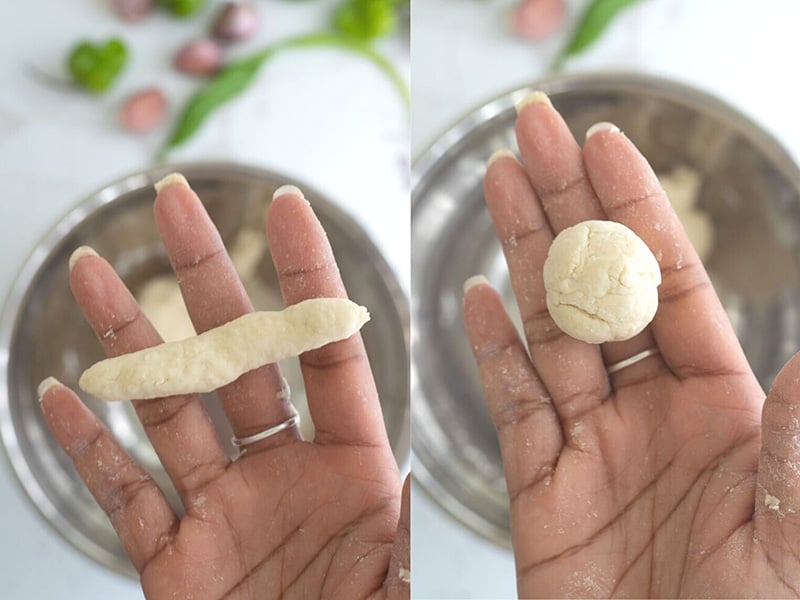
- Make and add the dumplings: While the soup continues to cook, combine the flour, salt, and water to form a soft dough. Pinch off small pieces and shape them into balls or roll them between your palms to make spinners.
Add the dumplings to the soup along with about 1 cup of additional water, or enough for the liquid to come up around the ingredients in the pot.
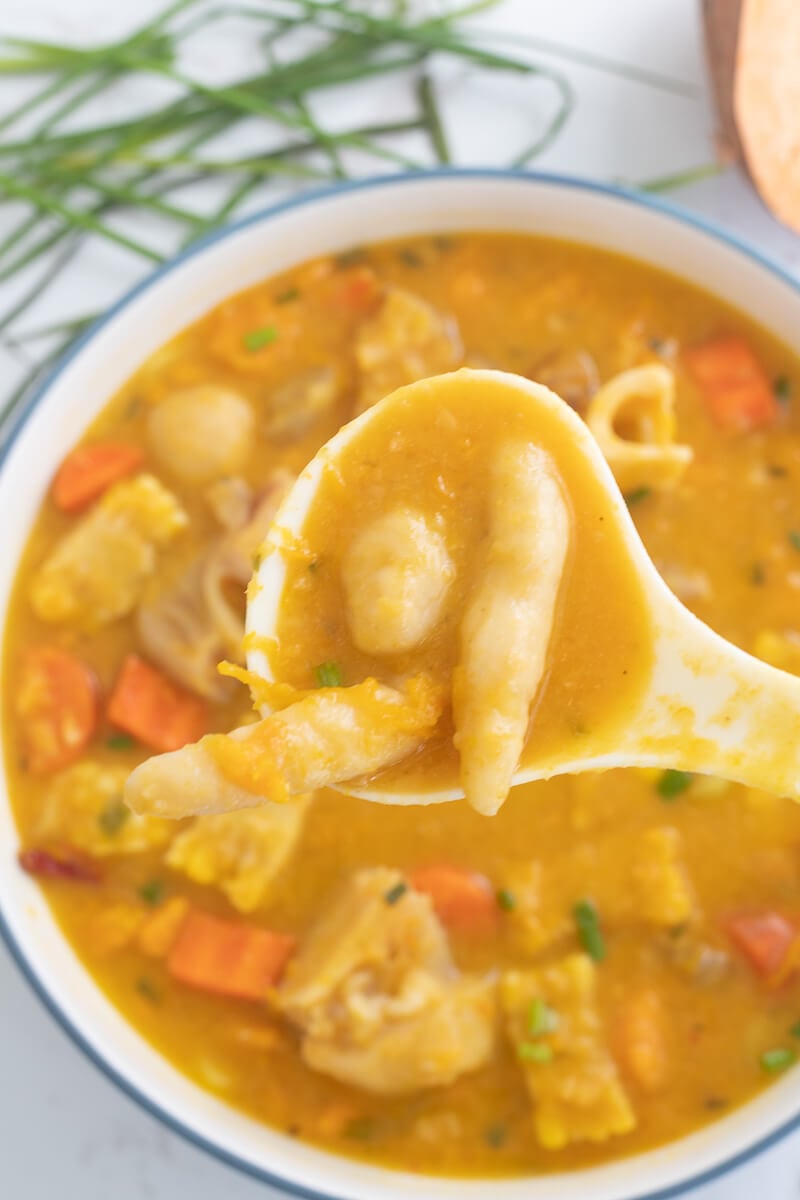
- Simmer until everything is tender: Reduce the heat to medium-low and simmer until the provisions are tender and the dumplings are cooked through.
Keep an eye on the consistency as the soup cooks. The split peas and pumpkin will continue to thicken the broth, so add a little more water if the soup becomes thicker than you like. - Season and serve: Taste the soup and adjust with salt and black pepper as needed. If you used salted pigtail, taste before adding additional salt.
Serve the cow heel soup hot.
How to tenderize cow heel
Cow heel needs enough cooking time to become tender before you build the rest of the soup. Cooking it on the stovetop works, but a pressure cooker or slow cooker can make this step easier. You can also use the full Instant Pot method above to tenderize the cow heel and finish the entire soup in the same pot.
Stovetop
Add the cow heel to a heavy-bottomed pot with the water, onion, garlic, green seasoning, and a little salt. Bring to a boil and cook until tender, adding more water as needed.
The exact cooking time can vary depending on the size and thickness of the cow heel pieces, so use the texture rather than the clock as your guide.
Manual pressure cooker
Add the cow heel, water, onion, garlic cloves, green seasoning, and a little salt to your pressure cooker.
Cook according to your pressure cooker’s instructions until the cow heel is tender. Once tender, carefully release the pressure, then transfer the cow heel and cooking liquid to your soup pot and continue with the soaked split peas and the rest of the recipe.
Instant Pot
You can also use your Instant Pot to tenderize the cow heel before making the soup. Add the cow heel, water, onion, garlic, green seasoning, and a little salt, then pressure cook until the cow heel is tender.
For the full method to make this cow heel soup completely in the Instant Pot, you’ll find the recipe in my Pressha It! Caribbean pressure cooker ebook.
Slow cooker
If you want to get a head start, you can tenderize the cow heel overnight in your slow cooker.
Add the cow heel, onion, garlic, green seasoning, and enough water to cover. Cook on low overnight until the cow heel is tender.
Transfer the cow heel and its cooking liquid to a pot on the stovetop, then continue the recipe with the soaked split peas and remaining soup ingredients.
Tips for the best cow heel soup
- Make sure the cow heel is tender before moving on. Don’t rush this step. If the cow heel is still tough or overly chewy, continue cooking it before adding the split peas and provisions.
- Watch the salt if you’re using pigtail. Salted pigtail adds plenty of salt to the pot, so season lightly at the beginning and adjust the soup toward the end.
- Add more water as needed. The split peas and pumpkin will thicken the soup as they cook. If it gets too thick, stir in a little water at a time until you get the consistency you like.
- Cut the provisions into similar-sized pieces. This helps everything cook more evenly, so you don’t end up with hard sweet potato next to pumpkin that has completely disappeared into the broth.
Troubleshooting
- My cow heel is still tough. It simply needs more cooking time. Keep cooking until it is tender before continuing with the rest of the soup. If you’re using a pressure cooker or Instant Pot, cook it for another short pressure cycle and check again.
- My soup is too thick. Add a little hot water and stir well. Add only a small amount at a time so you don’t accidentally make the soup too thin.
- My soup is too thin. Let it simmer uncovered for a little longer. As the split peas and pumpkin continue to break down, they’ll help thicken the broth.
- My split peas aren’t softening. Give them more cooking time before adding ingredients that cook quickly. Soaking the peas overnight also helps them soften faster.
How to store and reheat cow heel soup
Let the leftover cow heel soup cool, then transfer it to an airtight container and refrigerate for 3 to 4 days. The soup will thicken considerably as it sits, especially because of the split peas.
For longer storage, freeze the soup in airtight freezer-safe containers or bags for up to 3 months. I prefer to remove the dumplings before freezing because I don’t love their texture once they’re thawed and reheated.
To reheat refrigerated soup, add it to a pot with a splash of water and warm it gently over medium-low heat, stirring occasionally. Add more water as needed to loosen the soup to your preferred consistency.
For frozen soup, thaw it overnight in the refrigerator and reheat it on the stovetop. Once hot, taste and adjust the seasoning before serving.
Frequently Asked Questions
Yes. Cow heel is also commonly called cow foot, so you may see this dish called cow heel soup or cow foot soup depending on where you’re from.
If you can’t find cow heel, you can still make a Caribbean-style soup using another meat such as oxtail or beef. The flavor and texture won’t be exactly the same because cow heel gives the broth its distinctive richness and gelatinous texture.
You can use a slow cooker to tenderize the cow heel overnight on low, then transfer it and the cooking liquid to a pot and finish the soup on the stovetop. This is a good option if you don’t have a pressure cooker and don’t want to spend as much time tenderizing the cow heel on the stove.
You can add other ground provisions you enjoy, such as yam, cassava, eddoes, or dasheen. Just keep in mind that different provisions cook at different rates, so add them accordingly to keep them from becoming too soft.
More Caribbean Soups to Try:
If you’re in the mood to put another big pot of soup on the stove, try one of these Caribbean favorites:
Want to make this recipe fully in your Instant Pot?
The full Instant Pot version of this recipe is included in my Pressha It! Caribbean pressure cooker ebook, along with more of my favorite Caribbean recipes converted for the electric pressure cooker. Get the Ebook Now
Recipe
Caribbean Cow Heel Soup
Ingredients
Method
- The night before making the soup, cover the split peas with water and soak overnight. Drain and rinse before using.
- Rinse the cow heel, then soak it in water with the vinegar for about 10 minutes. Drain and rinse again.
- Add the cow heel and 3 cups of water to a heavy-bottomed pot and bring to a boil.
- Add the onion, garlic, green seasoning, and a little salt. Continue cooking until the cow heel is tender, adding additional water as needed.
- Add the drained split peas and cook for about 20 minutes, until they begin to soften and break down.
- Add the pumpkin, sweet potato, carrot, corn, Scotch bonnet pepper, celery, chive, and salted pigtail if using.
- Combine the flour, water, and salt to make a soft dumpling dough. Pinch off pieces and shape into small balls or spinners.
- Add the dumplings to the pot along with about 1 cup of additional water, or enough for the liquid to come up around the ingredients.
- Reduce the heat to medium-low and simmer until the provisions are tender and the dumplings are cooked through. Add more water as needed if the soup becomes too thick.
- Add the black pepper, taste, and adjust the salt as needed. Serve hot.
- Add the cow heel, water, onion, garlic, green seasoning, and a little salt to the pressure cooker.
- Cook according to your pressure cooker's instructions until the cow heel is tender.
- Carefully release the pressure, then transfer the cow heel and cooking liquid to a heavy-bottomed pot.
- Continue with the stovetop instructions, beginning with the soaked split peas.
Nutrition
Notes
Recipe Printed From ThisBagoGirl.com



Yessss. This went down good. Perfect recipe. Thanks
Yesss. Love to hear it!!