
Caribbean Dundee Cake (with Rum!)
This Caribbean Dundee cake is a buttery, golden fruit cake packed with raisins, currants, sultanas, cherries, and mixed peel. A splash of dark rum gives it a Caribbean twist, while a topping of almonds adds that signature crunch. It’s a lovely alternative to traditional black cake for Christmas or afternoon tea.

Dundee cake originally comes from Scotland, but it’s one of the fruit cakes that found its way into Caribbean baking traditions through our British colonial history. In Trinidad and Tobago, we’re more familiar with our rum-soaked black cake and light fruit cake. This version offers something a little different: dried fruit, a buttery crumb, and just enough rum to give it that Caribbean touch.
What is Dundee Cake?
Dundee cake is a traditional Scottish fruit cake made with raisins, currants, sultanas, and candied citrus peel. It’s known for its golden color, buttery texture, and distinctive rings of blanched almonds arranged on top before baking.
Unlike Trinidad black cake, Dundee cake doesn’t use dark browning or fruits soaked in alcohol for weeks or months. The dried fruits are folded directly into the batter, giving you a lighter-colored cake where you can still see the individual pieces of fruit.
The Caribbean twist
Traditional Dundee cake doesn’t usually contain much alcohol, but I couldn’t make a Caribbean version without adding a little rum! I use 2 tablespoons of dark rum in the batter, which adds flavor without overpowering the dried fruits.
The cake still has its classic buttery texture and almond topping, just with a little Caribbean influence.
How to make Dundee Cake with a Caribbean twist
Ingredients
This cake uses a simple butter cake batter filled with dried fruits and nuts. Unlike black cake, there’s no need to soak or blend the fruits beforehand.

For the batter:
- Butter and sugar: Creamed together to give the cake its soft, buttery crumb.
- Eggs: Add richness and help hold everything together.
- Flour, baking powder, and salt: Provide structure and help the cake rise.
- Vanilla and dark rum: Add flavor without overpowering the dried fruits. You can use milk instead of rum.
For the fruits and nuts:
- Raisins, sultanas, and currants: The main dried fruits that give Dundee cake its characteristic texture.
- Cherries and mixed peel: Add sweetness, citrus flavor, and pops of color.
- Chopped walnuts: Add a little crunch throughout the cake.
For the topping:
- Blanched almonds: Arranged in circles over the batter for that traditional Dundee cake appearance.
Instructions
- Prep the pan. Grease and line a 9-inch round (I used a springform pan) or tube pan with parchment paper. Preheat your oven to 325°F.
- Cream the butter and sugar. Beat together on medium speed for about 5 minutes, until the mixture is light, fluffy, and pale yellow.

- Add the eggs. Crack one egg at a time, beating well after each addition. Don’t rush it; this helps the batter stay smooth.
- Mix the dry ingredients. Sift together flour, baking powder, and salt.

- Coat the fruits and nuts. In a separate bowl, toss all the dried fruits and chopped walnuts with about ¾ cup of the flour mixture. This keeps them from sinking straight to the bottom of your cake.

- Bring it together. Fold the remaining flour into the butter mixture along with the vanilla and rum (or milk).
- Add the fruits. Gently fold in the floured fruits and nuts until everything is well distributed.
- Fill and decorate. Pour the batter into the prepared pan and smooth the top. Arrange the blanched almonds in circles over the batter.


- Bake the cake. Bake at 325°F for about 1 hour to 1 hour and 15 minutes, starting to check at 45 minutes. Insert a skewer into the center of the cake. It should come out clean or with a few moist crumbs, but no wet batter. If the top is browning too quickly, loosely cover it with foil.
- Cool the cake. Let the cake cool in the springform pan for about 10 minutes, then carefully release and remove the outer ring. Leave the cake on the base to continue cooling completely before slicing.
Tips & Variations for a Dundee cake
- Separate the dried fruits. Break apart any clumps of raisins, sultanas, and currants before coating them with flour. This helps distribute them evenly throughout the batter.
- Coat the fruits in flour. Don’t skip this step! Tossing the fruits and walnuts in some of the flour mixture helps keep them suspended in the batter instead of sinking to the bottom.
- Keep the batter light. Cream the butter and sugar well, and avoid overmixing once the flour is added.
- Use the almond topping. The rings of blanched almonds give Dundee cake its traditional appearance and add a little crunch.
- Make it without alcohol. Replace the rum with the same amount of milk if you prefer an alcohol-free cake.
- Try different dried fruits. My mom suggests adding dried pineapple or papaya for a tropical variation. I haven’t tested those additions myself, but they’re an option if you want to experiment.

How to store Dundee cake
Once the cake has cooled completely, wrap it tightly in plastic wrap or foil and place it in an airtight container. Store at room temperature in a cool, dry place for up to 5 days, or refrigerate for up to 1 week.
For longer storage, wrap the cake tightly in plastic wrap and foil, then freeze for up to 3 months. Thaw it while still wrapped before serving.
Can you make Dundee cake ahead of time?
Yes! You can bake this cake a day or two before serving. The dried fruit flavors have time to settle, making it a convenient option when preparing several dishes for Christmas.
Serving and pairing
Dundee cake is the easy-going cousin at the Christmas table. It has much less rum than traditional black cake and even our light fruit cake. With just 2 tablespoons of rum in the batter, it’s perfect when you want a festive fruit cake without the full rum-soaked experience.
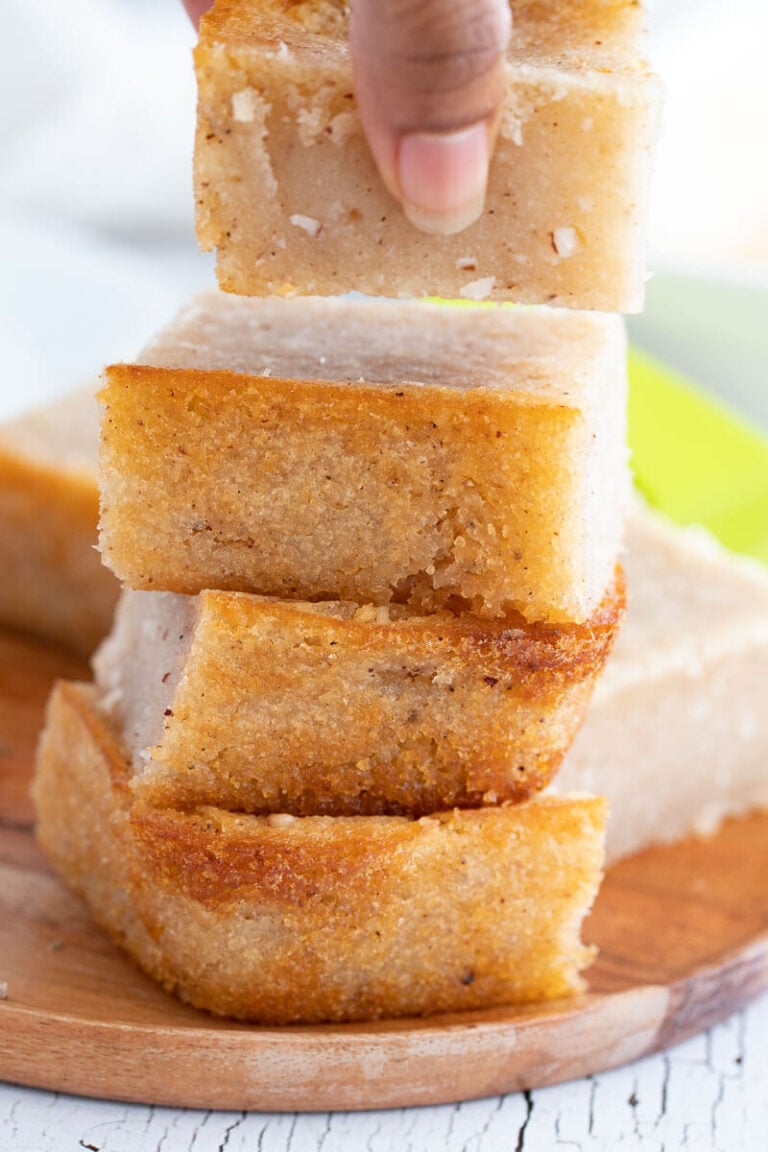
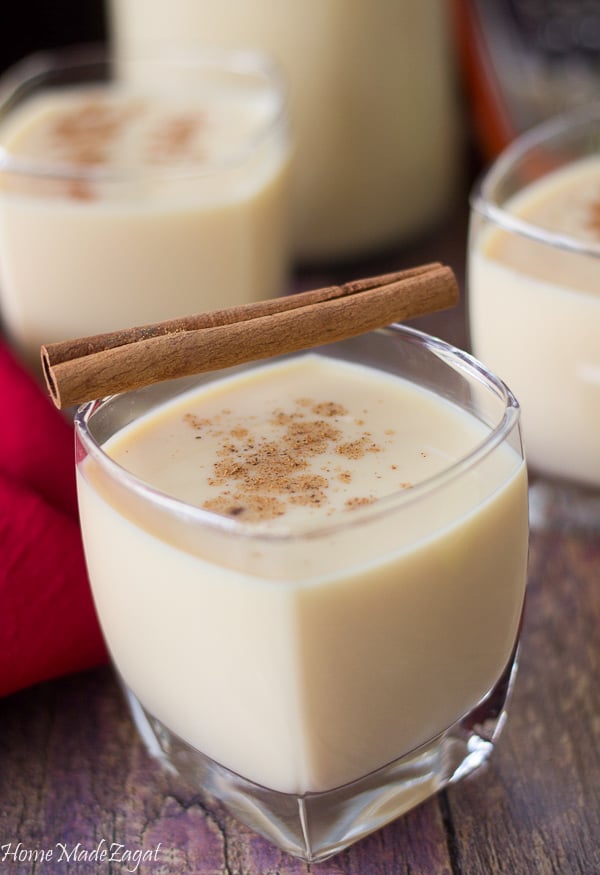
It pairs beautifully with a cup of tea or coffee for an afternoon treat. Around the holidays, I love serving it alongside a glass of sorrel, ponche de crème, or even a slice of coconut sweet bread for a proper spread.
Because it’s not overly heavy, it also works well as a daytime cake. Bring it out for a Christmas morning breakfast or cut thin slices to serve with wine during a lime.

FAQs
No. Unlike traditional Caribbean black cake, the dried fruits in this Dundee cake go directly into the batter. Just separate any clumps and coat them in flour as directed in the recipe.
Yes! Replace the 2 tablespoons of rum with the same amount of milk or orange juice. You’ll still get a buttery fruit cake without the alcohol.
Dried fruits can sink if they’re clumped together or the batter is too thin. Separate the fruits, coat them in some of the flour mixture, and gently fold them into the batter before baking.
Yes. Wrap the completely cooled cake tightly in plastic wrap and foil, then freeze for up to 3 months. Thaw while wrapped before serving.
More holiday recipes to try
If you’re building out your Christmas table, don’t stop at just Dundee cake. Here are a few more holiday favorites you can add to the spread:
- Christmas Rice – a festive rice dish full of flavor, perfect as a side for any holiday meal.
- Sorrel Cake – all the flavor of sorrel drink baked into a moist, spiced cake.
- Coconut Cake – light, fluffy, and filled with that signature coconut flavor.
Recipe

Dundee Cake (Caribbean Style)
Ingredients
Equipment
Method
- Preheat oven to 325°F. Grease and line a 9-inch round pan with parchment paper.
- Cream butter and sugar together until light and fluffy. For about 5 minutes.
- Beat in eggs one at a time, mixing well after each addition.
- Sift together flour, baking powder, and salt.
- In a separate bowl, combine all the fruits and chopped walnuts. Coat them thoroughly with about ¾ cup of the flour mixture.
- Fold the remaining flour into the creamed butter mixture along with the vanilla and rum (or milk).
- Gently fold in the floured fruits and nuts until evenly combined.
- Pour the batter into the prepared pan and smooth the top. Arrange the blanched almonds over the batter in circles.
- Bake at 325°F for about 1 hour to 1 hour and 15 minutes, starting to check at 45 minutes. Insert a skewer into the center. It should come out clean or with a few moist crumbs, but no wet batter. If the top browns too quickly, loosely cover it with foil.
- Let the cake cool in the springform pan for about 10 minutes, then carefully release and remove the outer ring. Leave the cake on the base to cool completely.
- Once completely cooled, wrap the cake tightly in foil and let it rest for 1–2 days before serving, if possible, to allow the flavors to develop.
Nutrition
Notes
Recipe Printed From ThisBagoGirl.com



This looks delicious, moist, fruity. Great with a cup of tea, I’m sure.