
Moist Coconut Cake With Coconut Milk
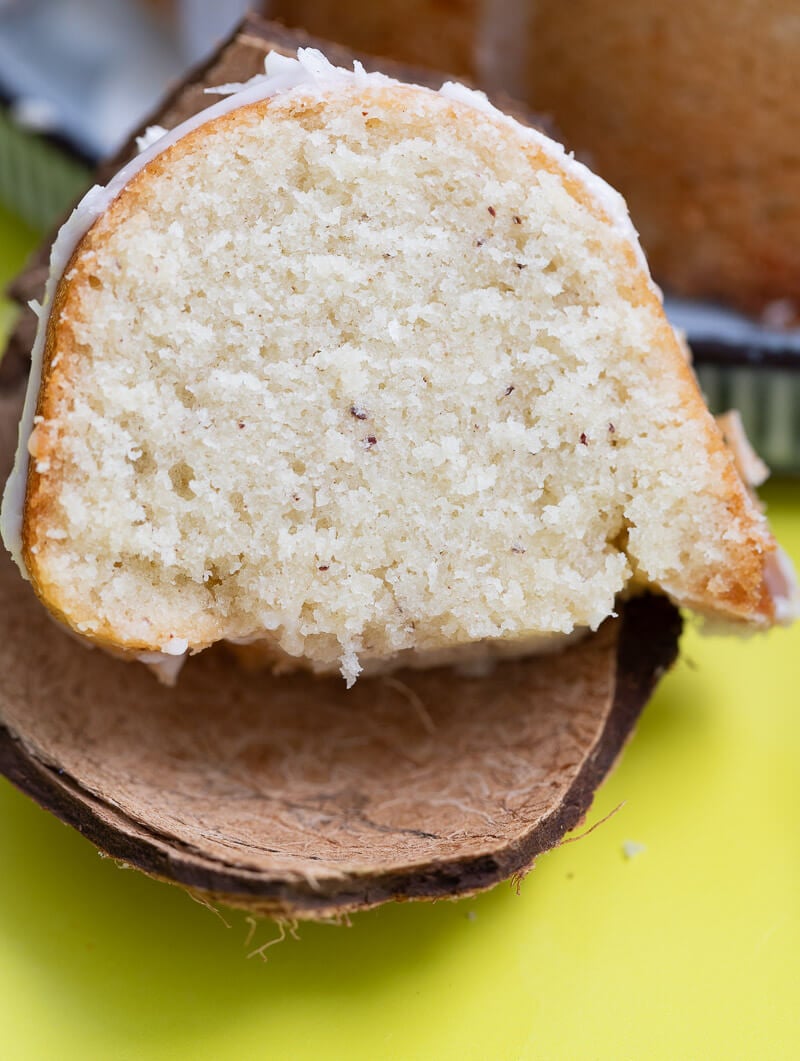
This coconut sponge cake is rich, moist, and full of coconut flavor, just like something your auntie would make for Easter lunch. Made with fresh coconut milk and the coconut pulp left from making it, it has plenty of coconut flavor in every slice.
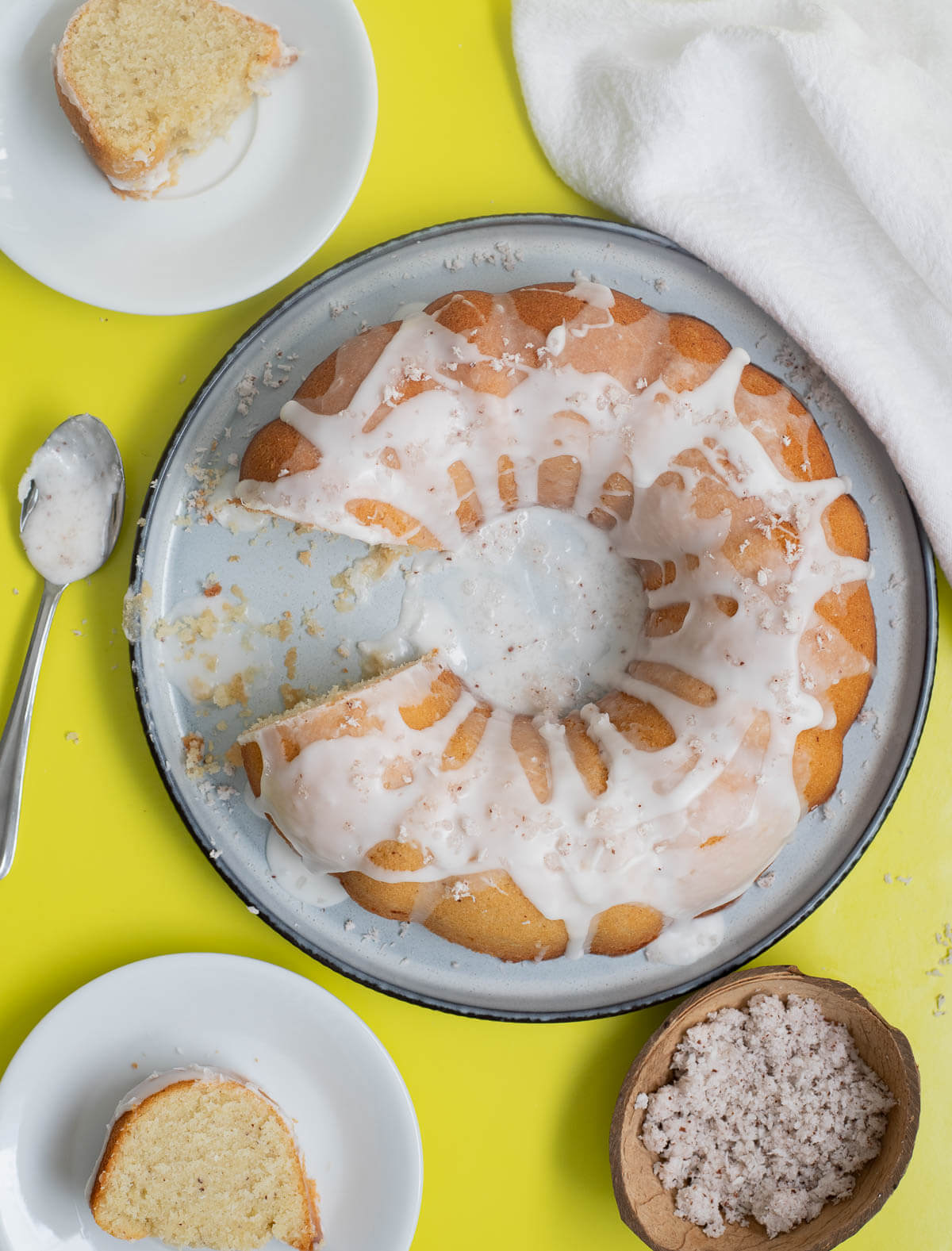
When it comes to classic Caribbean bakes, coconut always has a seat at the table. Whether it’s in coconut drops, coconut bread pudding, fudge, or sweet bread, we know how to make the most of it, and this coconut sponge cake is no exception.
This isn’t a dense coconut cake like Jamaican Toto or a rum-soaked dessert. Instead, it has a soft, buttery crumb with coconut baked right into the batter. I make the coconut milk from fresh coconut, then use the coconut pulp left behind in the cake, so nothing good goes to waste.
Growing up, grabbing baked treats after Easter Sunday church service was a must. You’d find tables lined with coconut tart, sweet bread, coconut drops, and, if you were lucky, a slice of coconut cake. This recipe is my little nod to those moments.
Why you will love this recipe:
- Moist and buttery: The cake has a soft crumb with a rich, buttery texture without being heavy.
- Plenty of coconut flavor: Fresh coconut milk, coconut pulp, and coconut essence bring coconut flavor throughout the cake, with even more in the glaze.
- Simple to make: It uses a basic creaming method, with the coconut milk and flour added gradually to keep the batter easy to work with.
- Perfect for special occasions or just because: Serve it for Easter, add it to a holiday dessert table, or cut yourself a slice to have with tea.
How to Make this Caribbean Coconut Cake
Ingredients for coconut cake
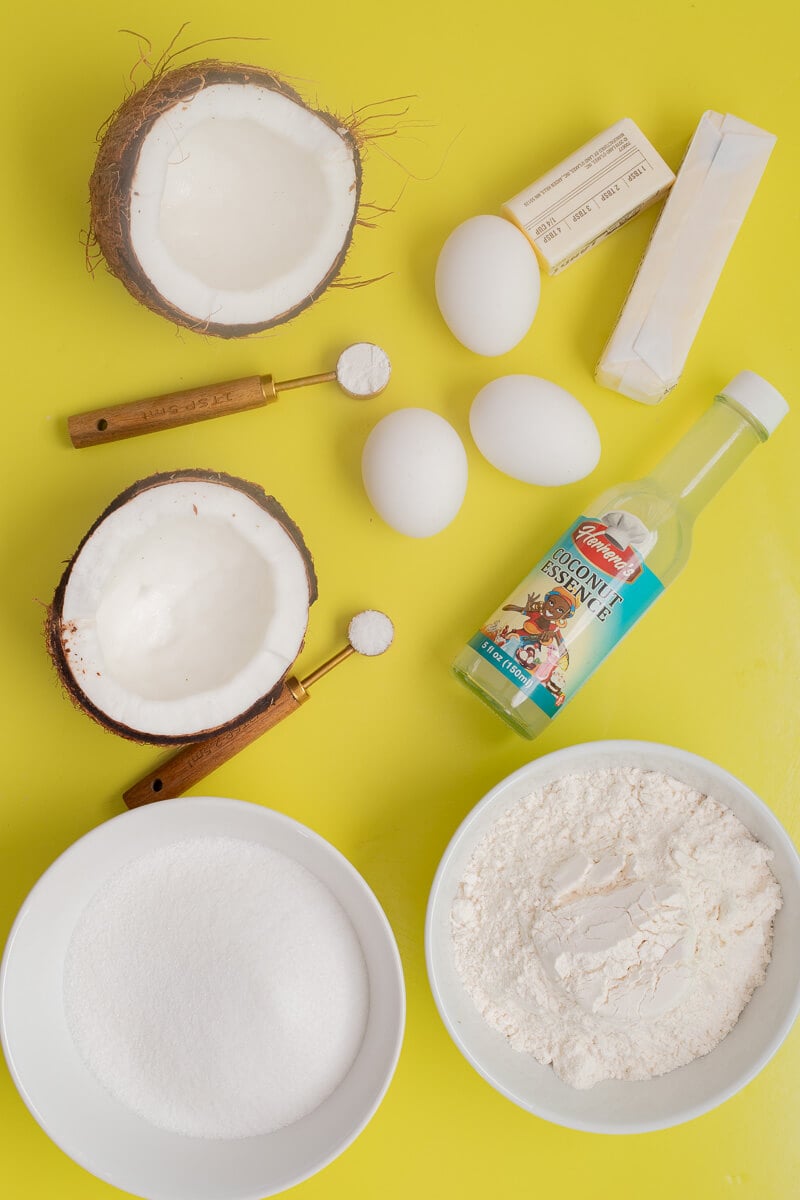
This cake starts with simple baking ingredients, but fresh coconut is what gives it its flavor and texture.
For the cake
- Butter, sugar, and eggs: Softened butter and granulated sugar are creamed together to create the base of the cake. Eggs add richness and help bring the batter together.
- Coconut milk and coconut: I use homemade coconut milk in this cake, then save some of the coconut pulp left after straining to add to the batter. If fresh coconut isn’t available, full-fat canned coconut milk works too, along with shredded coconut for the batter.
- Coconut essence: A little coconut essence boosts the coconut flavor without overpowering the cake.
- Flour, baking powder, salt, and allspice: All-purpose flour gives the cake its structure, baking powder helps it rise, while salt and allspice add flavor and balance the sweetness.
For the coconut glaze
- Powdered sugar and coconut milk: These are mixed together to make a simple glaze that goes over the cake once it has completely cooled.
- Coconut essence: Just a little adds more coconut flavor to the glaze.
- Coconut for topping, optional: I use some of the fresh coconut pulp left from making the coconut milk. If using desiccated coconut instead, pulse it briefly so the pieces aren’t too coarse or chewy.
Instructions
- Preheat the oven and prepare the pan. Preheat the oven to 350°F. Grease and flour a Bundt pan well, making sure to get into all the grooves so the cake releases easily.
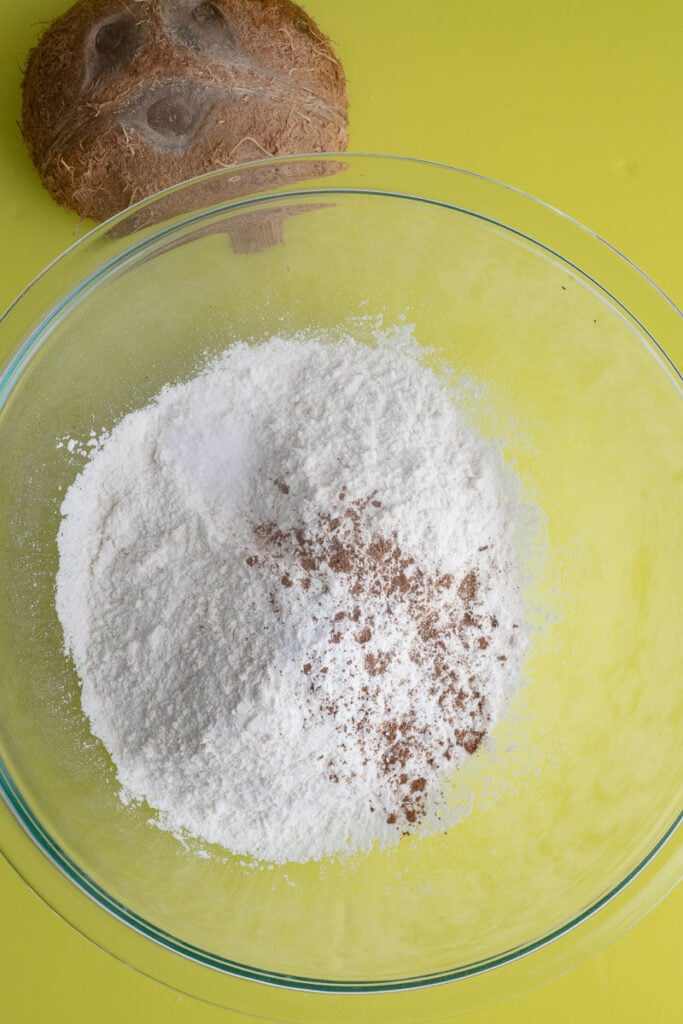
- Mix the dry ingredients. Sift the flour into a bowl, then mix in the baking powder, allspice, and salt. Set aside.
- Cream the butter and sugar. In a large mixing bowl, cream the softened butter and sugar until pale and fluffy.
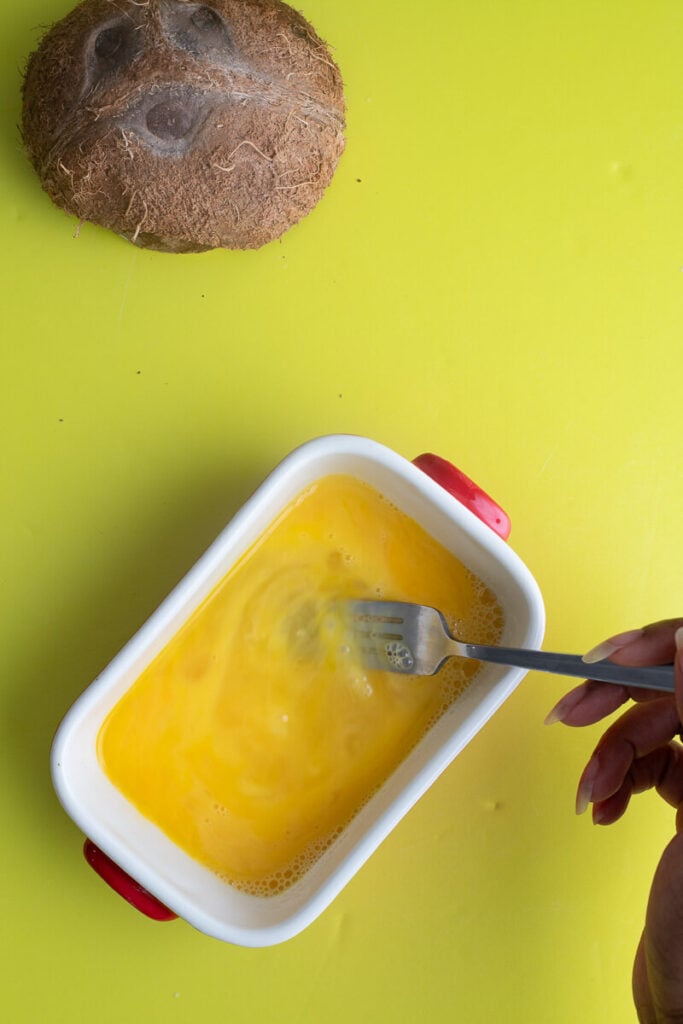
- Add the eggs. With the mixer on low, gradually add the lightly beaten eggs and mix until incorporated.
- Start alternating the wet and dry ingredients. With the mixer on low, add half of the coconut milk and coconut essence, followed by half of the flour mixture. Mix just until combined.
- Add the coconut. Fold in the coconut pulp, then add the remaining coconut milk and flour mixture. Mix on low just until everything comes together. Avoid overmixing the batter.
- Bake the cake. Transfer the batter to the prepared Bundt pan and smooth the top. Bake for 50–55 minutes, or until a toothpick inserted into the cake comes out clean or with a few moist crumbs.
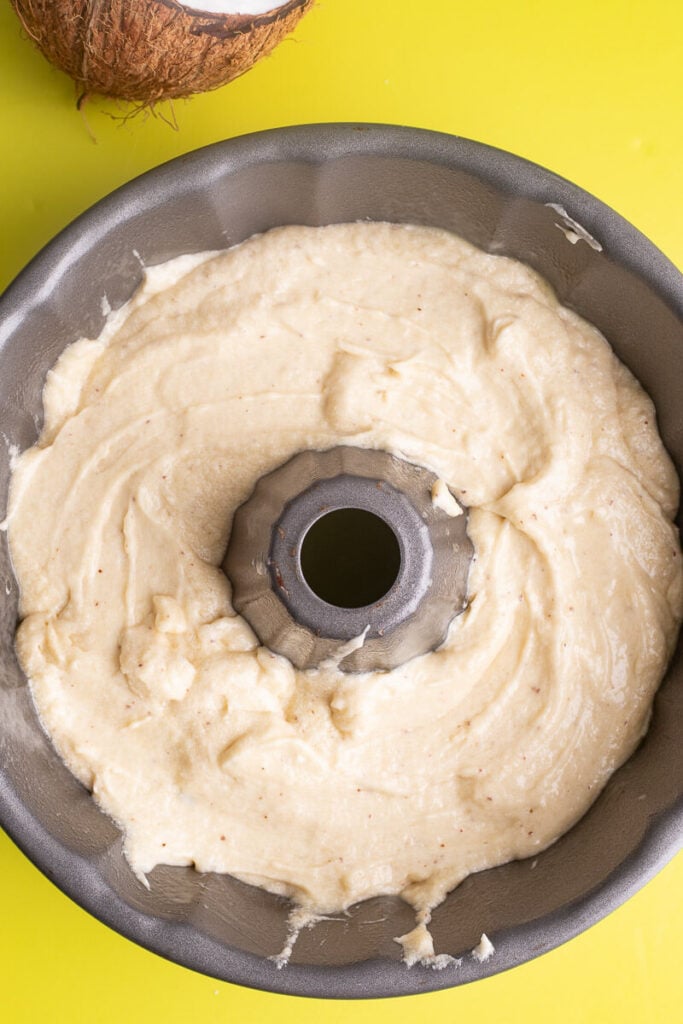
- Cool completely. Let the cake cool in the pan for 10–15 minutes before turning it out onto a wire rack. Let it cool completely before adding the glaze.
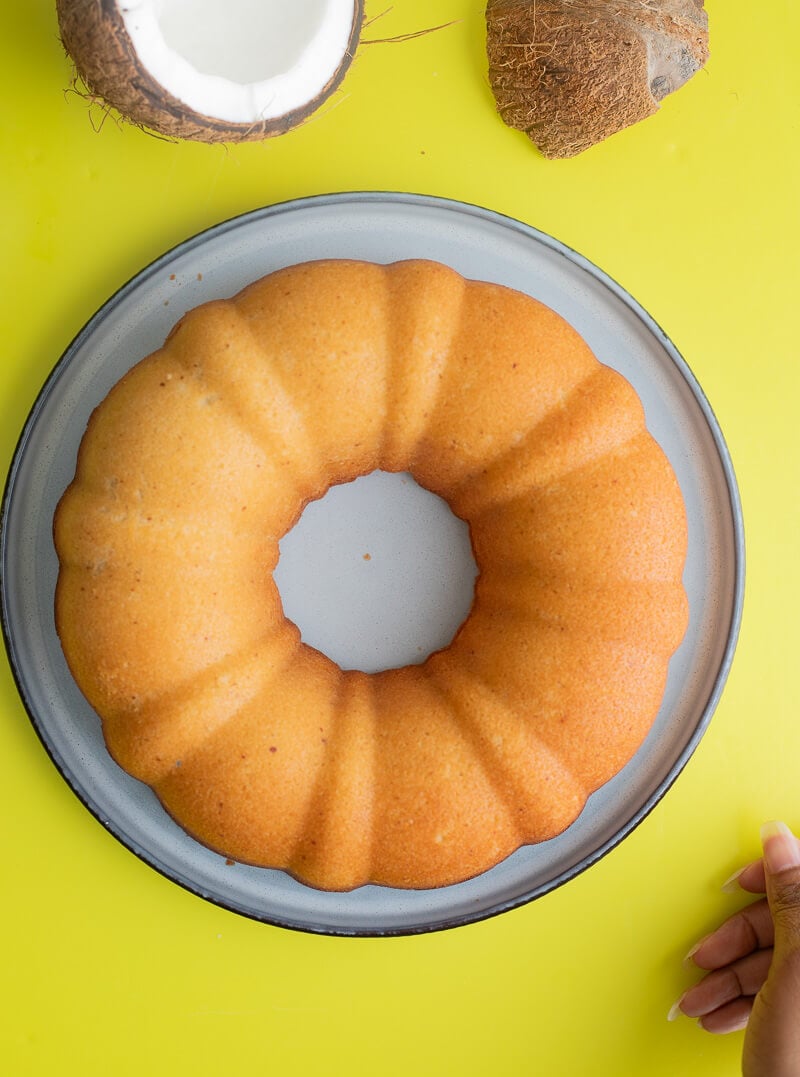
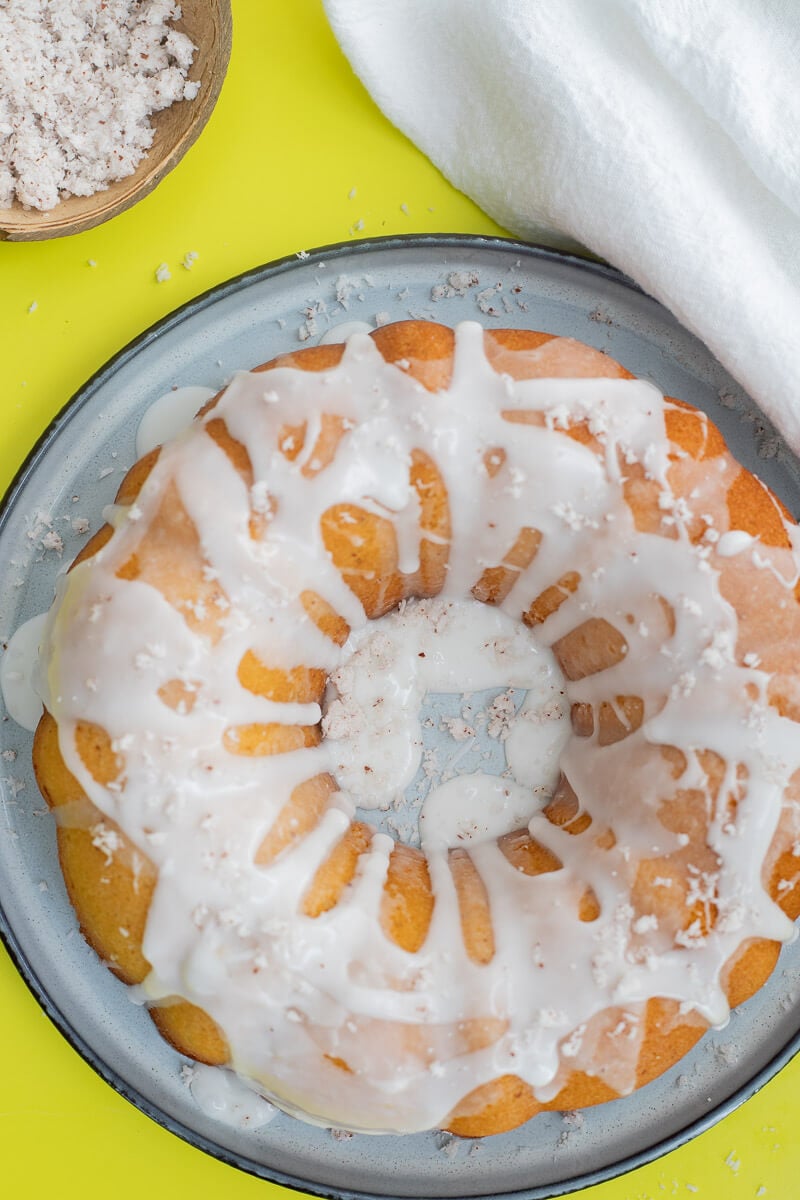
- Make the coconut glaze. Whisk the powdered sugar, coconut milk, and coconut essence together until smooth. Pour the glaze over the cooled cake and sprinkle with some of the reserved fresh coconut pulp, or pulsed desiccated coconut if using. Let the glaze set slightly before slicing.
Tips for Success
- Use the coconut pulp from your homemade coconut milk. After straining the coconut milk, save some of the coconut pulp for the cake. It adds coconut flavor and texture without letting any of that good coconut go to waste.
- Don’t overmix the batter. Keep the mixer on low and mix only until each addition is combined. Once the last of the flour goes in, stop mixing as soon as you no longer see streaks of flour.
- Cream the butter and sugar well. Give them enough time to become pale and fluffy before adding the eggs. This helps create the soft texture of the cake.
- Grease the Bundt pan well. Make sure you get the butter or baking spray into all the grooves of the pan so the cake releases cleanly after cooling.
- Let the cake cool completely before glazing. If the cake is still warm, the coconut glaze will become thinner and run straight off instead of setting on top.
- If using desiccated coconut, pulse it for the topping. I use the fresh coconut pulp left from making my coconut milk throughout this cake, including on top of the glaze. If you’re using desiccated coconut instead, give it a quick pulse before sprinkling it over the cake so the pieces aren’t too coarse or chewy.
Storage and Shelf Life
This coconut cake keeps well, but make sure it’s completely cool before storing it.
- Room temperature: Store the cake in an airtight container at room temperature for up to 2–3 days. Keep it in a cool area away from direct sunlight or heat, especially once it has been glazed.
- Refrigerator: For longer storage, keep the cake covered in the refrigerator for up to 5 days. Let your slice come to room temperature before serving so the cake softens again.
- Freezer: Freeze the cake without the glaze for up to 2 months. Wrap the whole cake or individual slices well, then place in a freezer-safe bag or container. Thaw before adding the coconut glaze.
What to Serve With Coconut Cake
This coconut cake is delicious on its own, but you can also serve it with a few Caribbean favorites:
- Add a scoop of coconut, soursop, or rum and raisin ice cream on the side.
- Serve it with fresh mango or pineapple.
- Enjoy a slice with tea, coffee, or a glass of sorrel.
- Add it to a Caribbean dessert spread with coconut drops, or sweet bread.
More Caribbean Desserts to Try
Looking for more Caribbean sweets? Try one of these next:
- Coconut Tart: A flaky pastry filled with a sweet, spiced coconut filling and baked until golden.
- Rock Buns: A classic Caribbean baked treat with a slightly crisp outside and soft, buttery center.
- Tamarind Balls: A sweet, tart, and slightly spicy tamarind treat made with just a few ingredients.
- Caribbean light fruit cake: A soft, buttery sponge cake filled with dried and candied fruits, perfect for Christmas and other special occasions.
- Orange Rum Cake: A moist citrus cake flavored with fresh orange and rum for a bright Caribbean-inspired dessert.
Frequently asked questions
Yes. I use homemade coconut milk when I can get fresh coconut, but full-fat canned coconut milk works too. If you use canned coconut milk, use shredded coconut in the batter since you won’t have the fresh coconut pulp left from making the milk.
Yes, but keep in mind that sweetened shredded coconut will add extra sweetness to the cake. I prefer fresh coconut pulp or unsweetened shredded coconut so I can control the sweetness.
Yes. You can bake the cake a day ahead and keep it covered until you’re ready to serve. Wait until the cake is completely cool before adding the coconut glaze.
Yes. I use the fresh coconut pulp left from making homemade coconut milk in the batter and on top of the cake. If you’re using canned coconut milk instead, shredded or desiccated coconut can be used in its place. For the topping, I recommend pulsing desiccated coconut first so it isn’t too coarse.
Before You Go…
If you try this coconut cake, leave a comment and recipe rating below and let me know how it turned out. And if you share it on social, tag me @thisbagogirl so I can see your cake!
Recipe
Moist Coconut Cake
Ingredients
Method
- Preheat and prep: Preheat oven to 350°F. Grease and flour a Bundt pan well.
- Mix dry ingredients: Sift the flour, then mix in the baking powder, allspice and salt. Set aside.
- Cream butter and sugar: Cream the softened butter and sugar until pale and fluffy.
- Add eggs: With the mixer on low, gradually add the lightly beaten eggs and mix until incorporated.
- Alternate wet and dry: With the mixer on low, add half of the coconut milk and coconut essence, followed by half of the flour mixture. Mix just until combined.
- Add coconut: Fold in the coconut, then add the remaining coconut milk and flour. Mix on low just until combined. Stop mixing once you no longer see streaks of flour.
- Bake: Transfer the batter to the prepared Bundt pan. Bake for 50–55 minutes, or until a toothpick comes out clean or with a few moist crumbs.
- Cool: Cool in the pan for 10–15 minutes, then turn out onto a wire rack and cool completely.
- Make the glaze: Mix the powdered sugar, coconut milk, and coconut essence until smooth. Pour over the completely cooled cake and sprinkle with fresh coconut pulp or pulsed desiccated coconut, if using.
Nutrition
Notes
Recipe Printed From ThisBagoGirl.com


I HAVE MADE THIS COCONUT CAKE A FEW TIMES SINCE I GOT THE RECIPE FROM YOU AND IT HAS BEEN A GREAT HIT AT HOME AND AT GATHERING.
THANK YOU FOR SHARING THE RECIPE.
Welcome!! Thank you for trying it.
Amazing Cake. Turned out great! I didn’t have coconut extract so sub for 1/4 teaspoon of almond essence. Also reduced the coconut milk by 2 tablespoons and added 2 tablespoons fresh lemon juice instead! Same with dried coconut, used 40gm and added 20gm lemon zest or zest of one large lemon!
Obviously different flavour from your original recipe but huge success! Thanks for a great base recipe using easy ingredients! I added fresh lemon juice to the glaze also.
Sounds so zesty and fresh. haha. Thank you for these mentions. Happy you liked it!!