
Easy Caribbean Cassava Dumpling Recipe
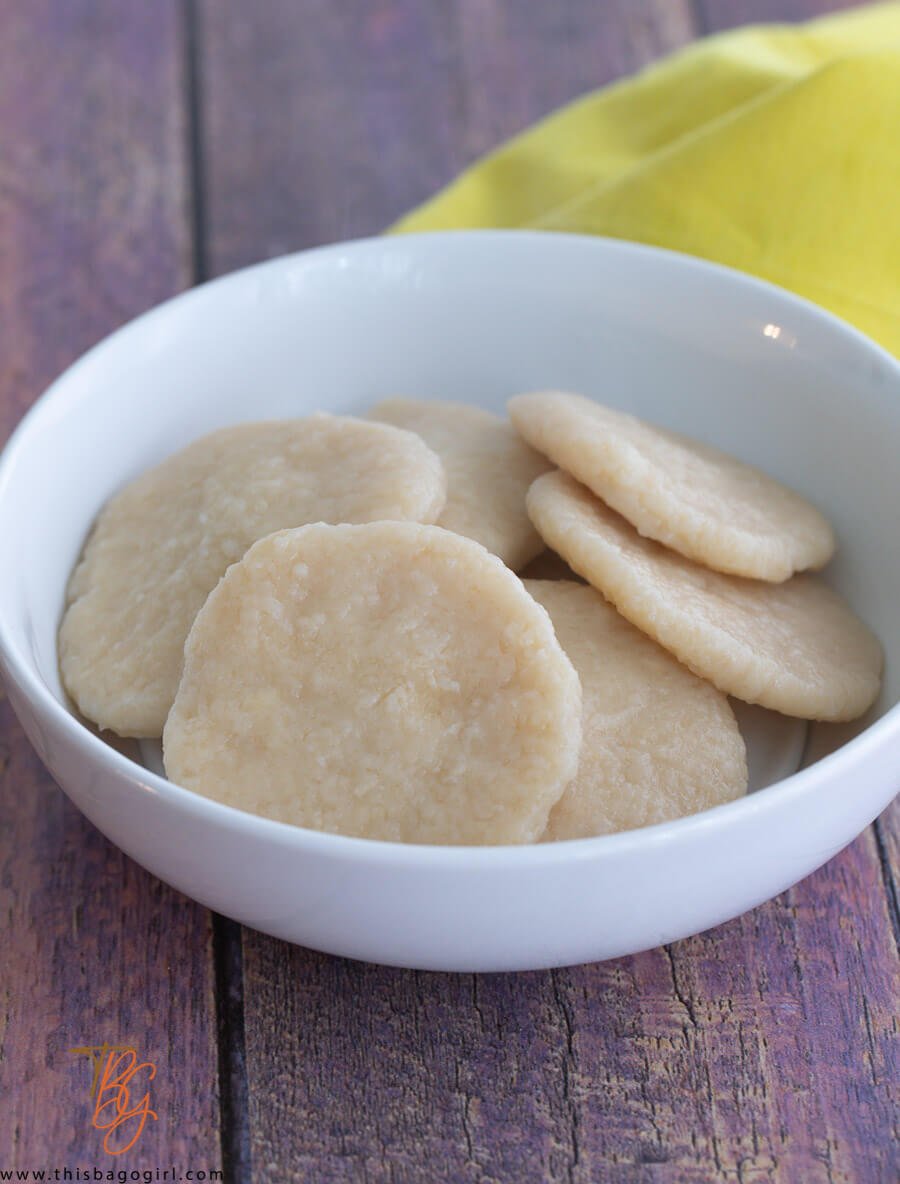
These Caribbean cassava dumplings are made with freshly grated cassava for a slightly sweet flavor and satisfying texture. Boil them and serve with your favorite Caribbean soups, stews, or curries for a delicious alternative to traditional flour dumplings.
Why you’ll love these cassava dumplings
Dumplings are a staple in Caribbean cooking, and definitely here in Tobago. We eat them with stew chicken, in soups, alongside ground provisions, and, of course, with curry crab.
While flour dumplings are probably the version most people know, these are made with freshly grated cassava. The cassava gives them a slightly sweet flavor and a different texture from traditional flour dumplings.
If you already love a good boiled dumpling, this cassava version is an easy way to switch things up.
Choosing and prepping your cassava
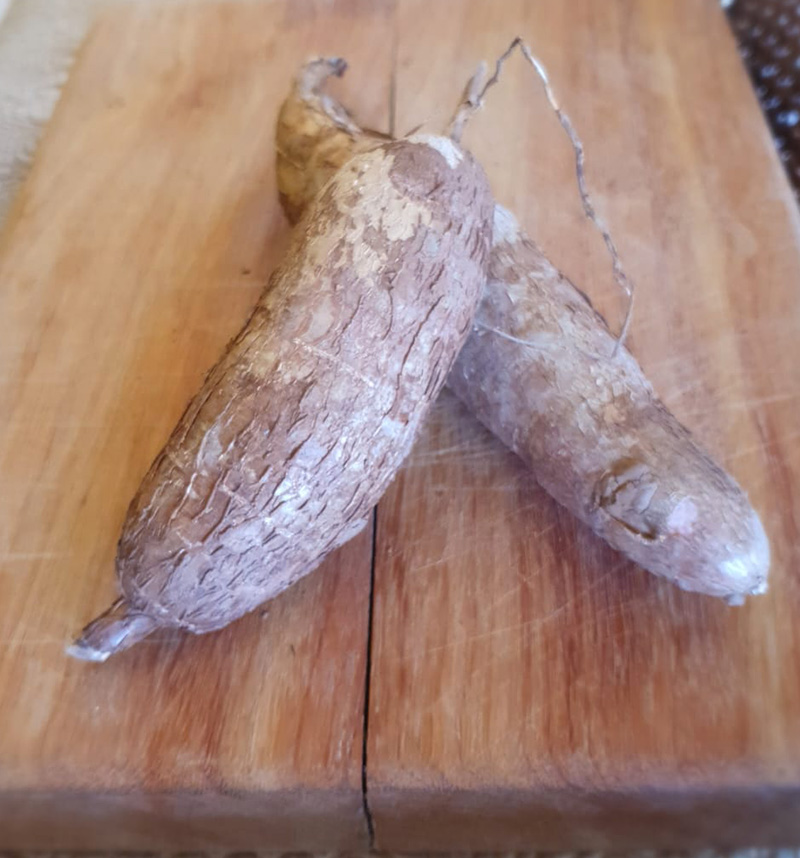
For these dumplings, I use fresh cassava root that I peel and finely grate before mixing the dough. Look for cassava roots that feel firm and don’t have soft spots or major blemishes.
Once you cut into the cassava, the flesh should be white. If you see significant dark streaks, discoloration, or the cassava smells off, discard it.
If you’re new to cooking with cassava, check out my guide to cassava for more on how to choose, peel, prepare, and cook this Caribbean staple.
How to peel cassava
A vegetable peeler isn’t the best tool for cassava’s thick skin. I find it easier to cut the root into manageable pieces, stand each piece upright, and use a sharp knife to slice away the skin, similar to peeling a pineapple.
Once peeled, cut away the tough, woody core before grating.
How to grate cassava
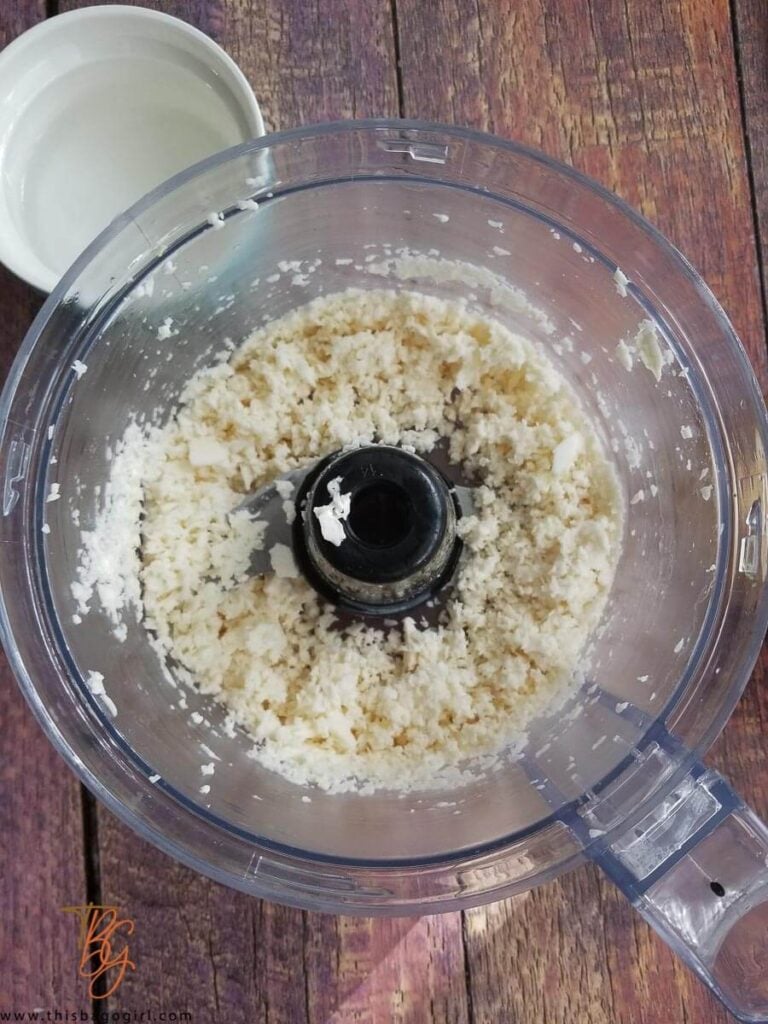
You can grate the cassava by hand, but I prefer using a food processor. It’s faster and, more importantly, my fingertips remain where they belong. 😂
If you’re using a box grater, grate the cassava finely so it mixes evenly into the dumpling dough.
Ingredients for cassava dumplings
You only need a handful of simple ingredients to make these cassava dumplings.
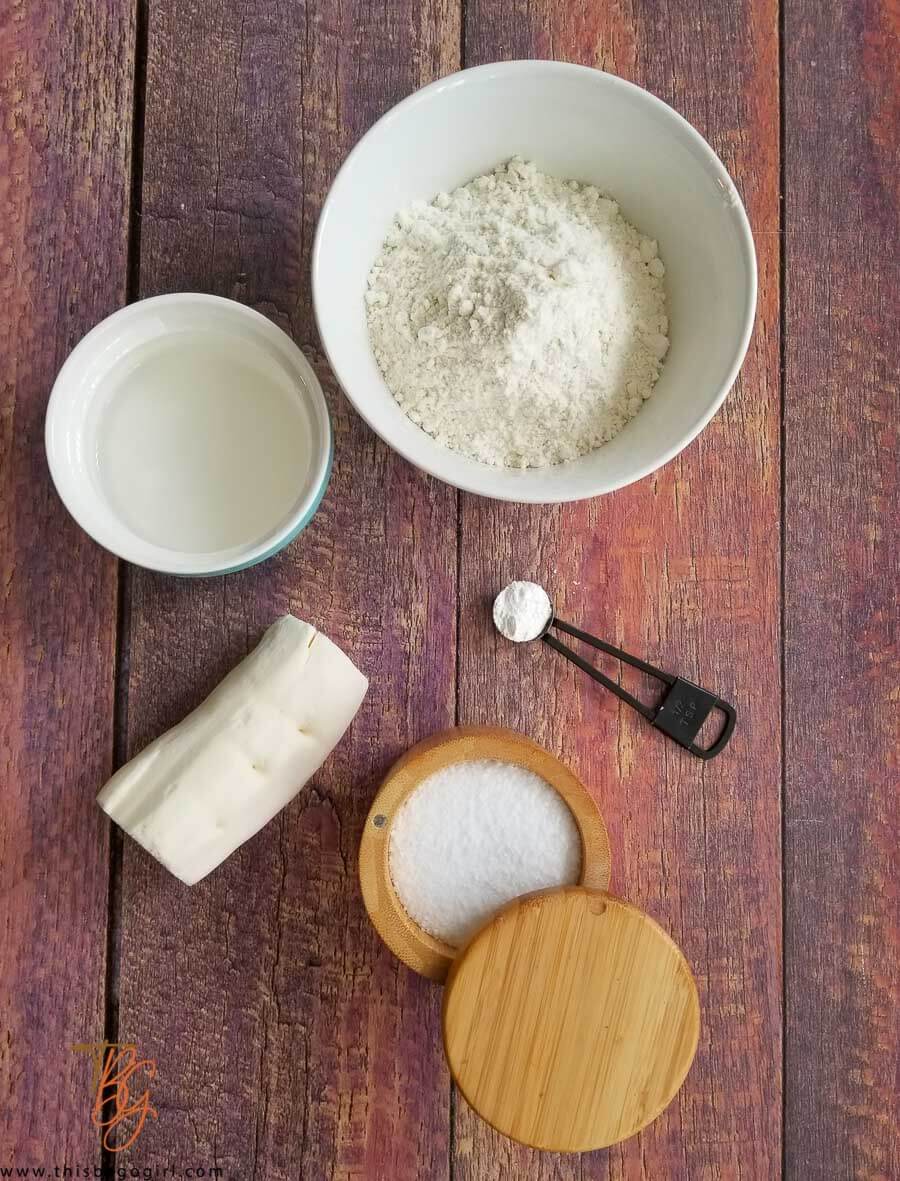
- Fresh cassava: Peel and finely grate the cassava before mixing the dough. This gives the dumplings their slightly sweet flavor and distinctive texture.
- All-purpose flour: Helps bind the grated cassava together and gives the dumplings structure.
- Granulated sugar: Just a little enhances the natural sweetness of the cassava.
- Salt: Adds flavor to the dough.
- Cold water: Brings the dough together. Add it gradually since you may not need it all.
- Butter: Optional, for tossing with the cooked dumplings before serving.
- Oil: A little is added to the water when boiling the dumplings, as I normally do when making Caribbean boiled dumplings.
How to make cassava dumplings
- Prep the cassava. Peel the cassava, remove the tough core, and finely grate it by hand or using a food processor.
- Make the dough. Add the grated cassava, flour, salt, baking powder, and sugar to a large bowl. Mix well, squeezing and pressing the mixture together to help it bind. Add the cold water a little at a time until the dough comes together. It should be slightly sticky but still workable and able to hold its shape.
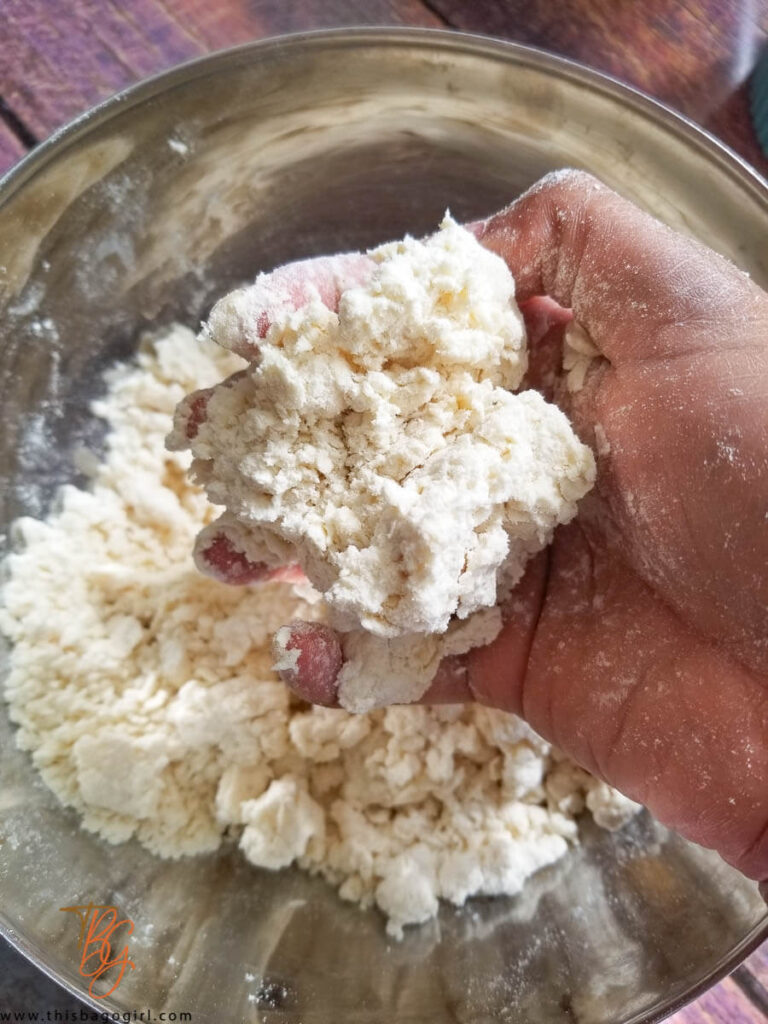
- Rest the dough. Cover the bowl with a clean kitchen towel and let the dough rest for about 25 minutes.
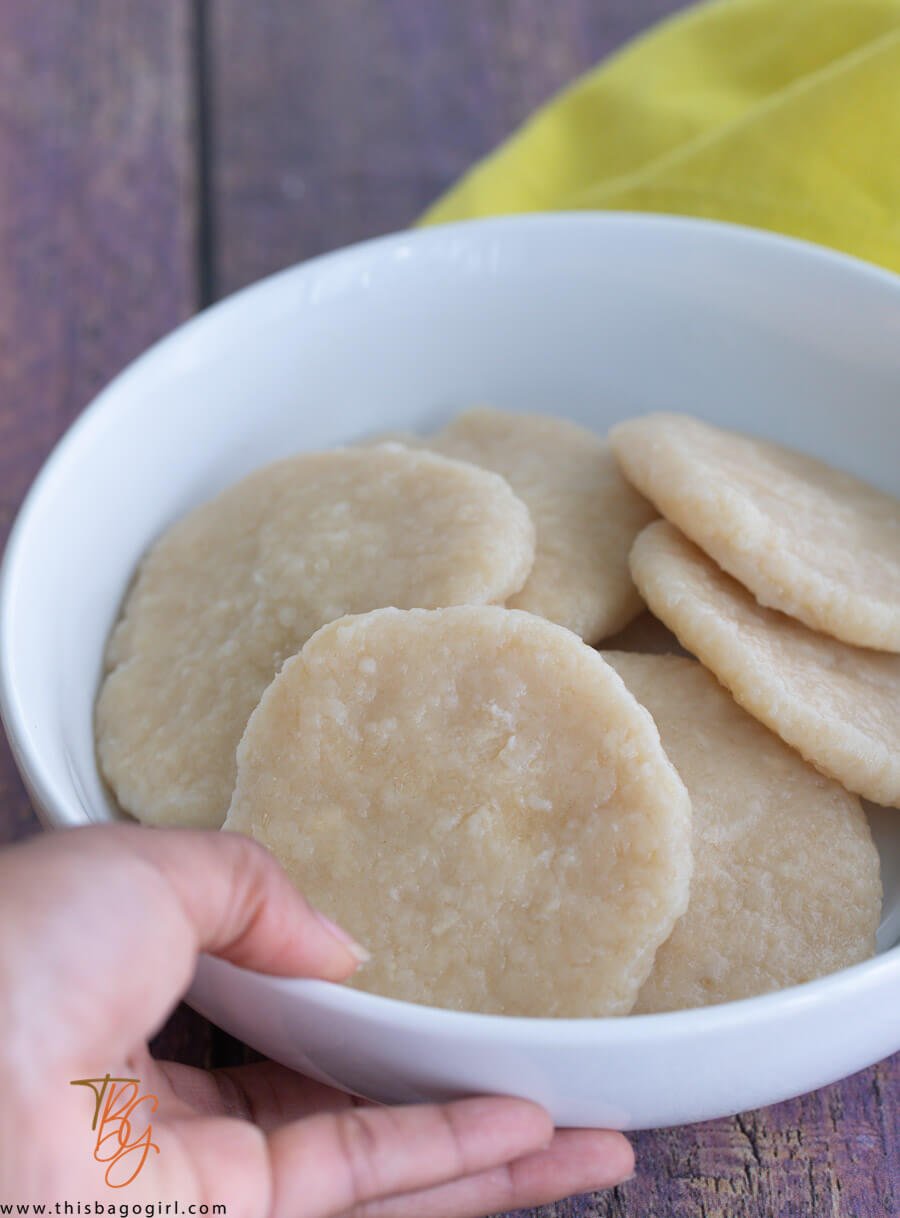
- Shape the dumplings. For stews and curries, I usually roll the dough into balls and flatten them into discs. For soup, make them smaller by rolling pieces into short logs, also called spinners, or shaping them into small balls.
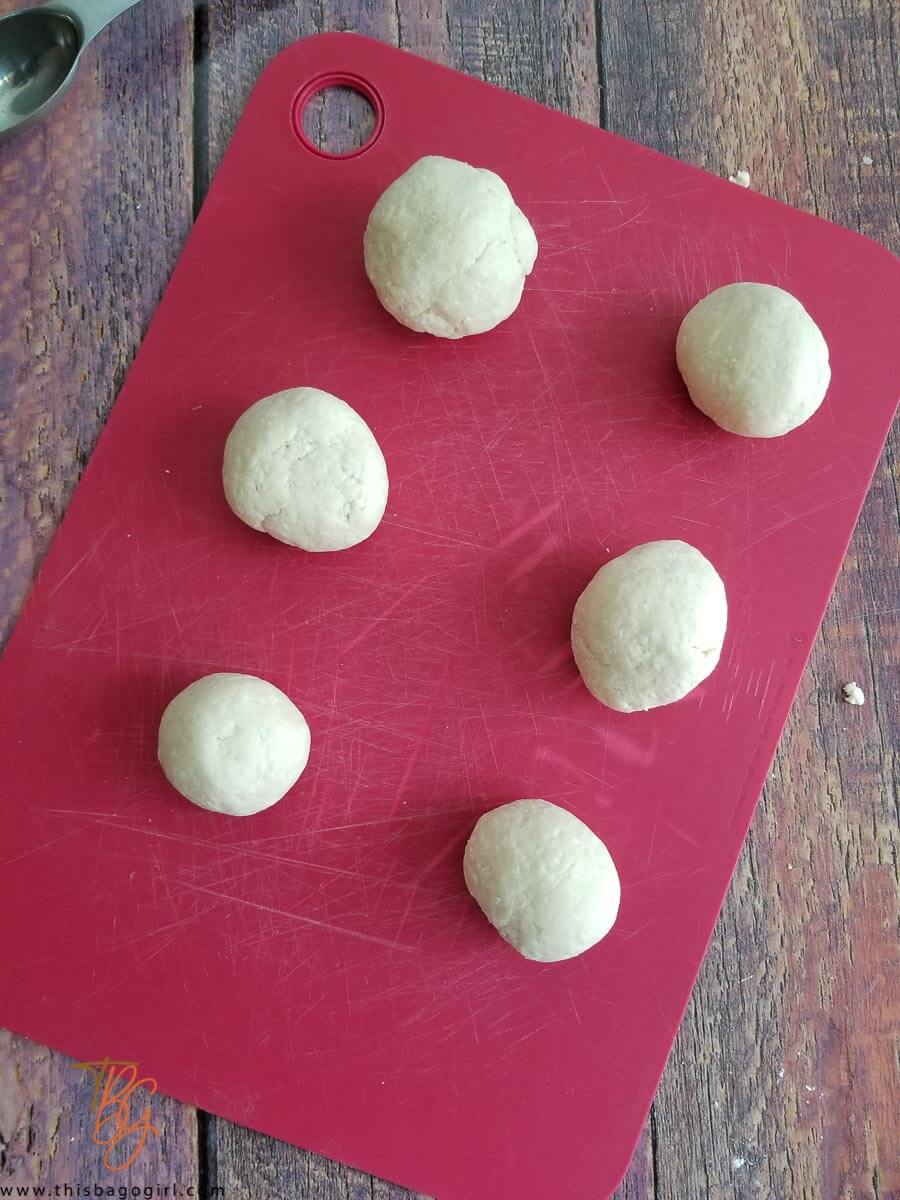
- Boil the dumplings. Bring a large pot of salted water with a little oil to a boil. Carefully add the dumplings and give them a gentle stir so they don’t settle and stick to the bottom. Boil for about 15 minutes, until they float and are firm and cooked through.
- Drain and serve. Remove the cooked dumplings from the water, drain well, and serve warm.
A quick note: Some people leave boiled dumplings in the hot cooking water until they’re ready to serve. I prefer to drain mine once they’re cooked because I don’t like the texture they get from sitting in the water.
Tips for the best cassava dumplings
- Add the water gradually. Fresh cassava already contains moisture, so add the water a little at a time. The dough should be slightly sticky but still easy enough to handle and shape.
- Give the dough time to rest. Don’t skip the 25-minute rest. Resting the dough gives the flour time to hydrate and makes the mixture easier to work with before shaping.
- Don’t add extra flour just because the dough feels sticky. A little stickiness is normal for this dough. Adding too much flour can change the texture of the finished dumplings.
- Make sure the dough holds together. Even though it’s slightly sticky, you should still be able to shape it without it falling apart.
- Keep the size consistent. Try to make each shape roughly the same size so the dumplings cook evenly.
- Don’t rely on floating alone. The dumplings will rise as they cook, but thicker ones may need a little more time. Check one if you’re unsure.
How to store and reheat cassava dumplings
Allow leftover cassava dumplings to cool, then store them in an airtight container in the refrigerator for up to 3 days.
To reheat, add the dumplings to boiling water for a few minutes, just until heated through. You can also reheat them with the soup, stew, or curry you’re serving them with.
I don’t recommend storing cassava dumplings in their cooking water. They can absorb too much water and become softer than I like.
What to eat with cassava dumplings
Ooh, let me count the ways. Cassava dumplings work anywhere you want something to soak up plenty sauce or gravy.
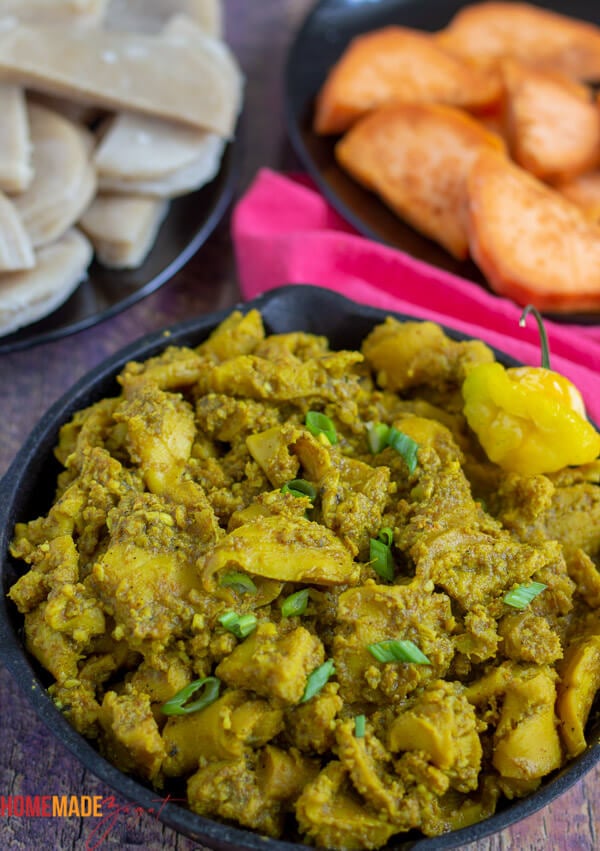
- Curry crab and dumplings: This one had to come first. In Tobago, curry crab and dumplings is a classic combination, and the cassava dumplings are perfect for soaking up all that curry sauce.
- Curry goat: Serve them alongside curry goat for another way to enjoy all that gravy.
- Saltfish rundown: The coconut milk sauce with saltfish works really well with the slightly sweet cassava dumplings.
- Caribbean soups: You can also shape the dough into smaller balls or spinners and cook them right in your favorite soup.
And don’t limit them to these. Serve cassava dumplings anywhere you’d normally have boiled dumplings or ground provisions alongside a saucy Caribbean dish.
Frequently Asked Questions
I haven’t tested this recipe with cassava flour, so I don’t recommend substituting it for freshly grated cassava. The flour absorbs liquid differently and would require adjustments to the flour and water amounts.
Yes. The butter is optional and is only used to finish them after cooking, so you can leave it out completely if you prefer.
The dough may be too wet. Add the water gradually when mixing and make sure the dough is firm and holds its shape easily before boiling.
They’ll rise and float as they cook, but don’t rely on floating alone. Thicker ones may need a little more time, so cut or break one open if you’re unsure and check that the center is cooked through.
More Caribbean dumpling recipes
If you love a good boiled dumpling, try my traditional flour dumplings or cornmeal dumplings next. Both are easy options for serving with soups, stews, curries, and other Caribbean favorites.
More cassava recipes
Got more cassava to use? Start with my guide to cassava for more on choosing, prepping, and cooking it, or learn how to boil cassava for a simple Caribbean side dish.
You can also try:
Recipe
Cassava Dumplings
Ingredients
Method
- If using fresh cassava, peel the skin and either grate it using the small side of a box grater or cut into chunks and blend in a food processor. You should yield about 1 cup of grated cassava.
- In a medium bowl, combine the grated cassava, flour, salt, sugar, and baking powder. Mix together well, squeezing and pressing the mixture to help it bind.
- Add water slowly
- Gradually pour in the water (start with about 1/4 cup), mixing as you go. The dough should come together into a sticky but workable texture.
- Once fully combined, cover the bowl with a kitchen towel and let the dough rest for 25 minutes.
- After resting, shape into dumplings and boil in salted water or drop directly into soups or stews. Cook until dumplings are firm and float to the top—about 15 minutes.
Nutrition
Notes
Recipe Printed From ThisBagoGirl.com

Simple and easy recipe. Thank you.
Thank you Chenika!