
Trinidad Pimento Pepper: What is it?
Trinidad pimento pepper, also called seasoning pepper or flavor pepper, is a mild, aromatic pepper commonly used in Trinidad and Tobago cooking. It gives dishes that distinctive pepper flavor without the heat of Scotch bonnet or other hot Caribbean peppers.
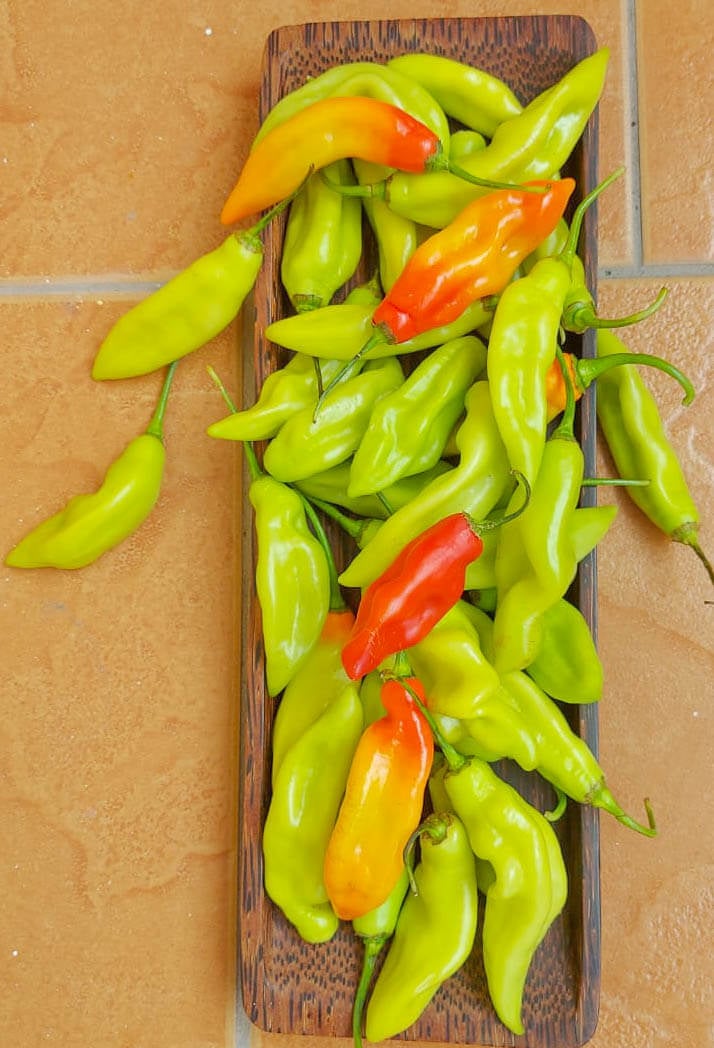
If you’ve ever wondered what gives Trini green seasoning, stews, curries, and plenty of other dishes that extra something, pimento pepper is usually somewhere in the mix. It’s one of those ingredients I use all the time, whether I’m making a pot of pelau or just seasoning meat.
A Taste of the Caribbean
Pimento pepper is one of those ingredients I grew up seeing used in just about everything. In Trinidad and Tobago, we chop it into dishes as they cook, blend it into green seasoning, and use it alongside our other herbs and aromatics to build flavor.
It’s such an everyday ingredient that I didn’t think much about it until I started cooking outside Trinidad and Tobago and realized it wasn’t always easy to find. And no, a bell pepper just isn’t quite the same.
What is Trinidad pimento pepper?
Locally known as seasoning pepper, Trinidad pimento (Capsicum chinense) is one of those everyday ingredients you’ll find throughout Trinidad and Tobago cooking. You may also hear it called flavor pepper, which pretty much sums up why we use it. It adds plenty of pepper flavor and aroma without adding much heat.
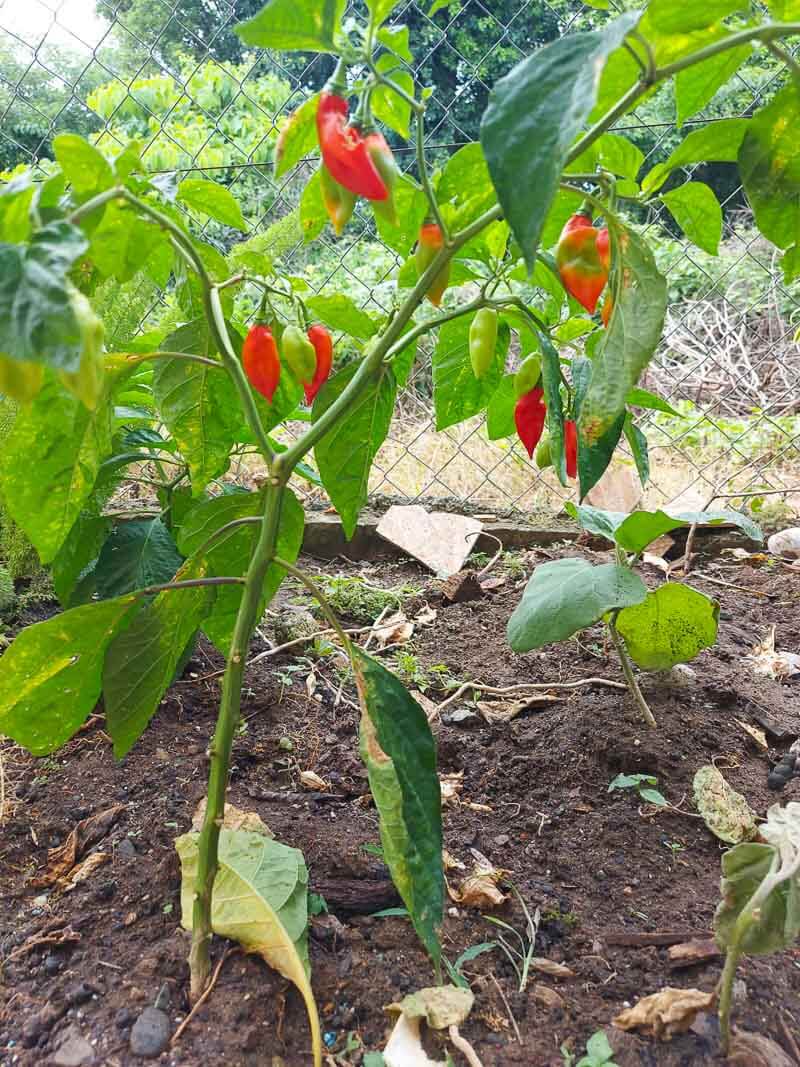
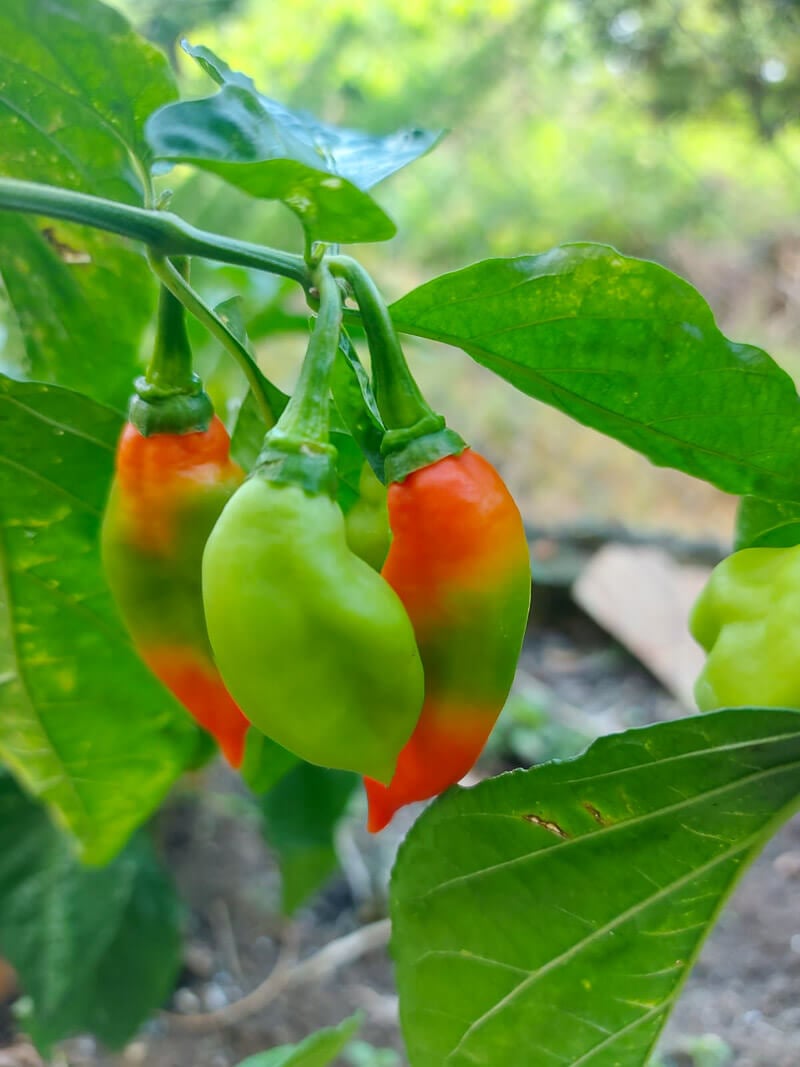
The peppers are usually small and elongated, ranging from green to shades of orange and red as they ripen. Unlike Scotch bonnet and other hot Caribbean peppers, they’re used primarily for their flavor rather than their heat.
You’ll find them in everything from green seasoning to stews, curries, soups, rice dishes, and sauces.
Is pimento pepper the same as seasoning pepper?
Yes. In Trinidad and Tobago, pimento pepper is commonly called seasoning pepper. You may also hear people refer to it as flavor pepper because it’s used primarily for its aroma and flavor rather than heat.
The names can get confusing outside the Caribbean because “pimento” or “pimiento” may refer to a different sweet red pepper, including the type commonly used in stuffed olives. When a Trinidadian recipe calls for pimento or seasoning pepper, it’s referring to the mild, aromatic pepper used throughout Trinidad and Tobago cooking.
Are Trinidad pimento peppers hot?
Trinidad pimento peppers are generally considered mild peppers and are used more for their aroma and flavor than for heat. Most of the time, they give you that distinctive pepper flavor without the burn you’d expect from a Scotch bonnet or habanero.
That said, the heat can vary. I’ve even gotten a batch of pimento peppers that was surprisingly hot, so I always recommend tasting a small piece before adding plenty to a dish, especially if you’re sensitive to pepper.
For the most part, though, pimento is the pepper we reach for when we want flavor rather than fire.
Pimento pepper vs. Scotch bonnet and habanero
The biggest difference between pimento peppers, Scotch bonnets, and habaneros is heat. Pimento is generally mild, while Scotch bonnet and habanero peppers are considerably hotter.
In Trinidad and Tobago cooking, pimento and hot peppers aren’t necessarily interchangeable. I use pimento when I want that pepper flavor without making the dish spicy, while Scotch bonnet or other hot peppers are added when I actually want heat. You may even find both used in the same dish because they’re doing two different jobs.
What can I substitute for pimento peppers?
There isn’t an exact substitute for Trinidad pimento pepper because its mild, aromatic flavor is pretty distinctive. But if you can’t find it, you still have a few options depending on what you’re making.
- Other Caribbean seasoning peppers: If you can find another mild pepper sold as seasoning pepper, flavor pepper, or a similar Caribbean variety, that’s your best place to start.
- Sweet bell peppers: For an easy-to-find substitute, use a small amount of bell pepper. It won’t give you the same flavor as pimento, but it adds sweetness and pepper flavor without making the dish hot.
- Cubanelle pepper: This is another mild option that can work in cooked dishes when you want more pepper flavor without much heat.
- For a little heat: If heat isn’t a problem, you can combine a mild pepper with a very small amount of Scotch bonnet or habanero. It won’t duplicate pimento, but you’ll get some of that fruity pepper aroma along with more heat.
Where to buy Trinidad pimento peppers?
Fresh Trinidad pimento peppers can be tricky to find in the U.S., but Caribbean and international markets are usually your best bet, especially in areas with a large Caribbean community.
If you can’t find them locally, you can also order fresh pimento peppers online. My friend at Your Trini Farmer grows Trinidad pimento peppers here in the U.S. and ships fresh peppers nationwide, so that’s a great option if you want the real thing without hunting from store to store.
Can you grow pimento peppers?
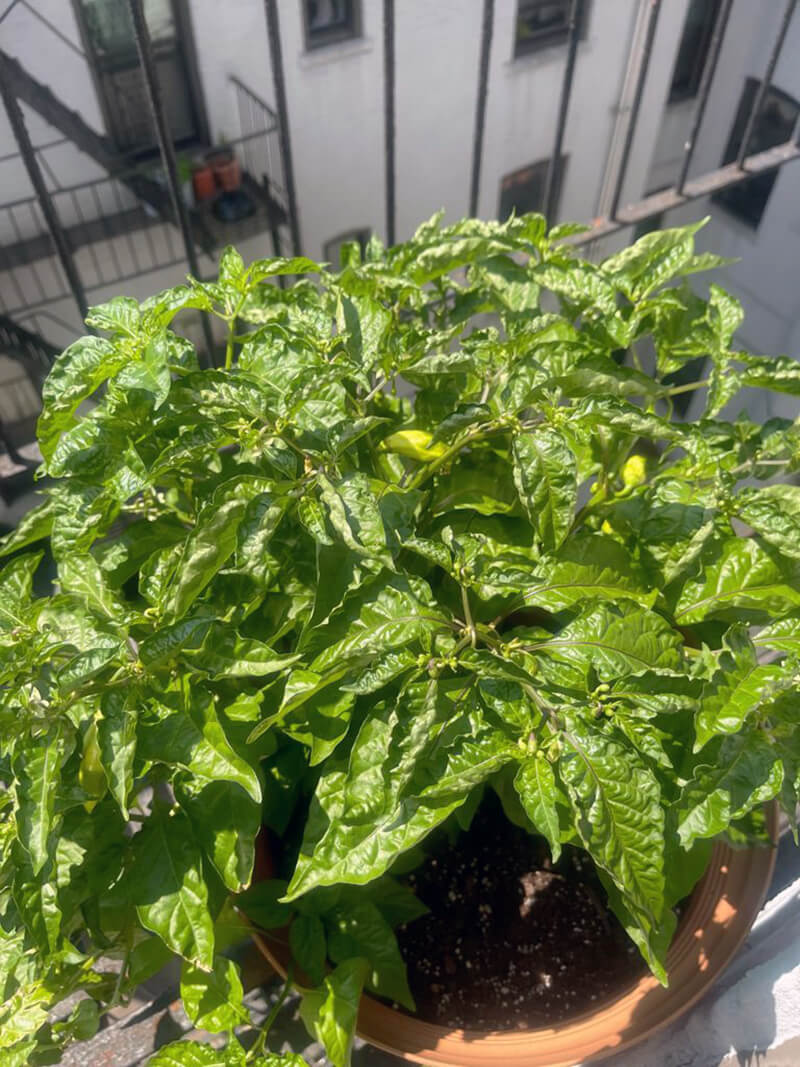
Yes. Trinidad pimento peppers can be grown from seed and do especially well in warm climates. They can be grown directly in the ground or in containers, which makes growing your own a good option if fresh pimento peppers are difficult to find where you live.
The plants can grow several feet tall and produce peppers that start green and change color as they ripen. If you’re growing them in a container, give the plant plenty of sun, good drainage, and enough room to grow.
What recipes use pimento peppers
Pimento peppers show up in plenty of Trinidad and Tobago dishes, either blended into seasoning or chopped and added while cooking.
- Green seasoning – Pimento pepper is one of my go-to ingredients in green seasoning, where it’s blended with fresh herbs and aromatics and used to season meats, fish, and plenty of other dishes.
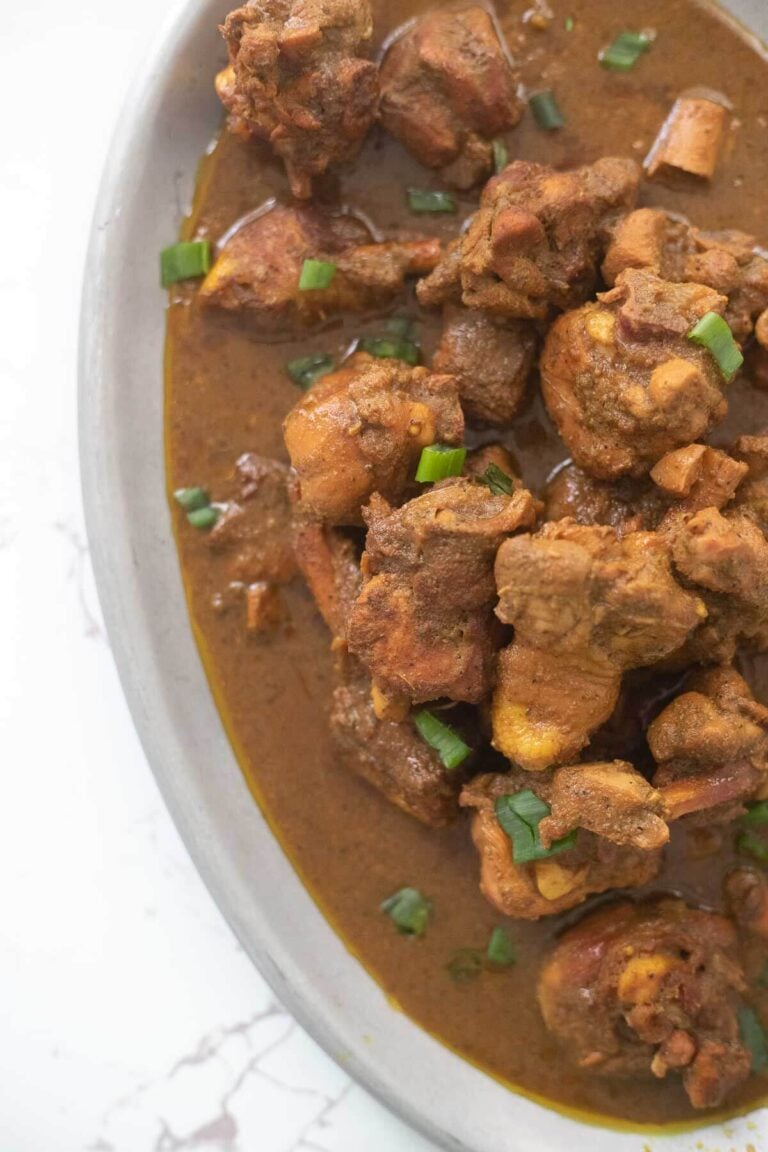
- Stew chicken – Chopped pimento peppers add another layer of flavor alongside onions, garlic, herbs, and the other aromatics used to season the chicken.
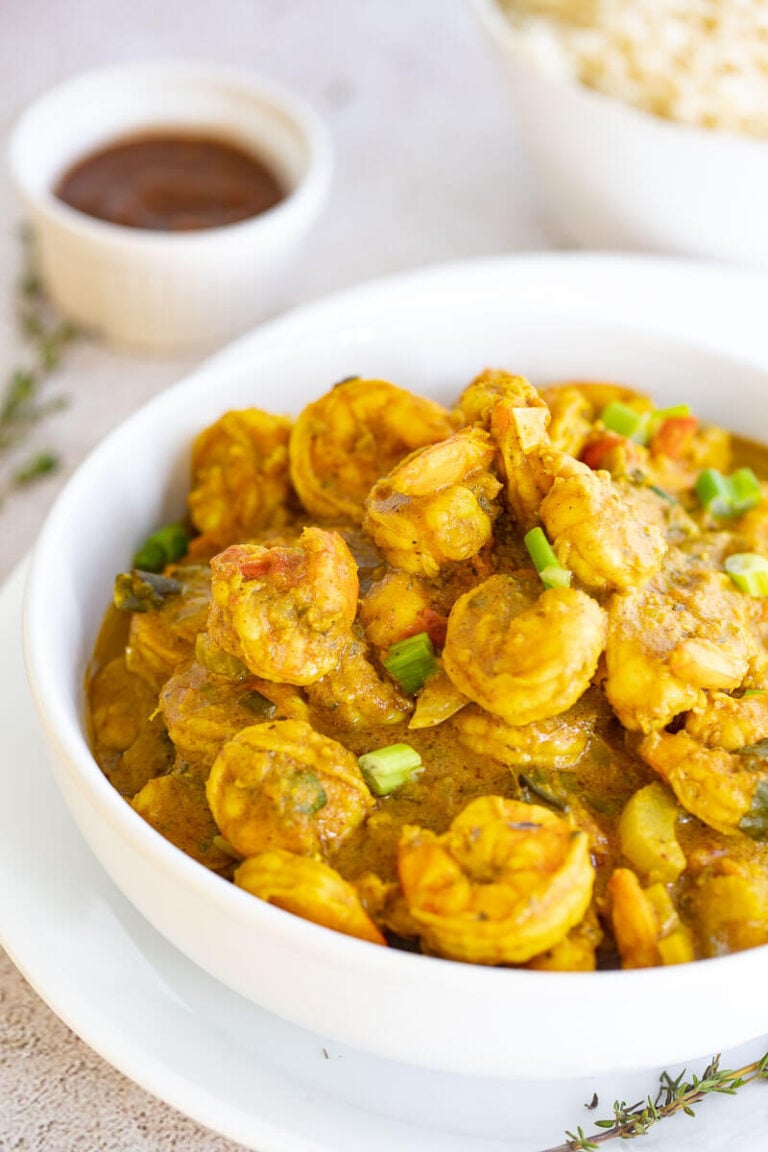
- Curry shrimp – Pimento works beautifully with curry and adds pepper flavor without overpowering the shrimp with heat.
- Corn soup – Chopped pimento peppers add flavor to the seasoned broth alongside fresh herbs and aromatics.
- Pepper sauce – Pimento peppers can be blended with hotter peppers and aromatics to add flavor to homemade Caribbean pepper sauce.
How to store Trinidad pimento peppers
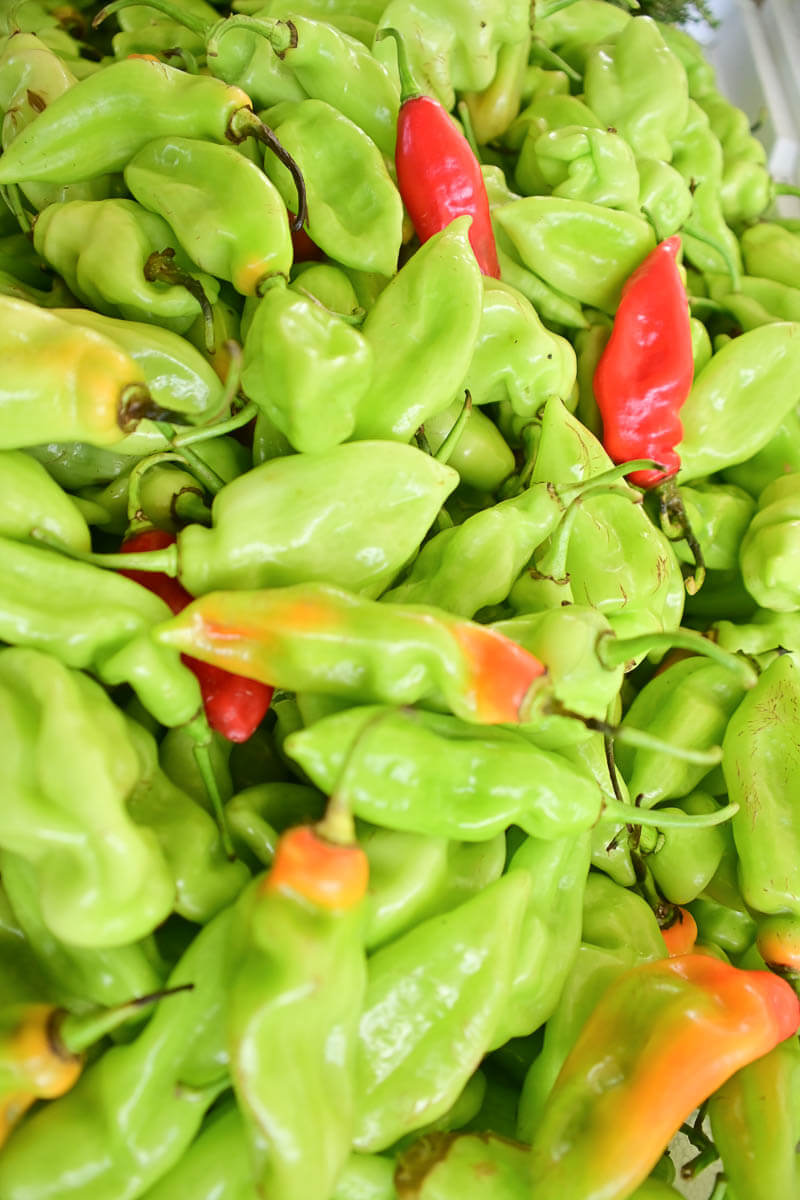
I use pimento peppers fresh and whole most of the time, but if I happen to get pleeennntyyy at once, freezing is an easy way to keep them from going to waste.
For fresh pimento peppers
- Keep the peppers whole and dry in the refrigerator until you’re ready to use them.
- Store them in the vegetable drawer in a bag or container that allows some airflow.
- Check them occasionally and remove any that start to soften or spoil.
To freeze pimento peppers
When I have more than I can use fresh, I usually roughly chop or grind the peppers, then put them into a freezer-safe bag. You can flatten the bag before freezing so it’s easy to break off what you need for cooking.
Frozen pimento works well in green seasoning, soups, stews, curries, and other dishes where you’re using the pepper primarily for flavor. The texture will soften after freezing, but that doesn’t matter much when it’s being blended into seasoning or cooked into a dish.
Final Thoughts
Pimento pepper is one of those ingredients that’s hard to replace once you’re used to cooking with it. It’s such an everyday part of Trinidad and Tobago cooking that I always miss it when I don’t have any on hand.
If you manage to find fresh ones, grab them. And if you grab too many, well, now you know what to do with the extras.
Keep exploring Caribbean ingredients
If you’re learning more about the ingredients used in Trinidad and Tobago cooking, check out:
- What is ground provision?
- What is chadon beni?
- What is saltfish?
- Sorrel Vs hibiscus
- 43 Must-Try Trinidad and Tobago Foods
where can i find Pimento peppers in California ?
Hey. I am not sure about Cali. I know here we get a lot at the Caribbean supermarkets. Do you want to try to grow a plant? Check out this shop on Etsy https://ctcstudioscreations.etsy.com