
What is chadon beni?
In the Caribbean, we cook with a lot of fresh, aromatic herbs. These herbs build the flavor base of so many of our dishes. One of the most popular, especially in Trinidad and Tobago, is chadon beni. Let’s explore what it looks like, how it tastes, and how we use it.
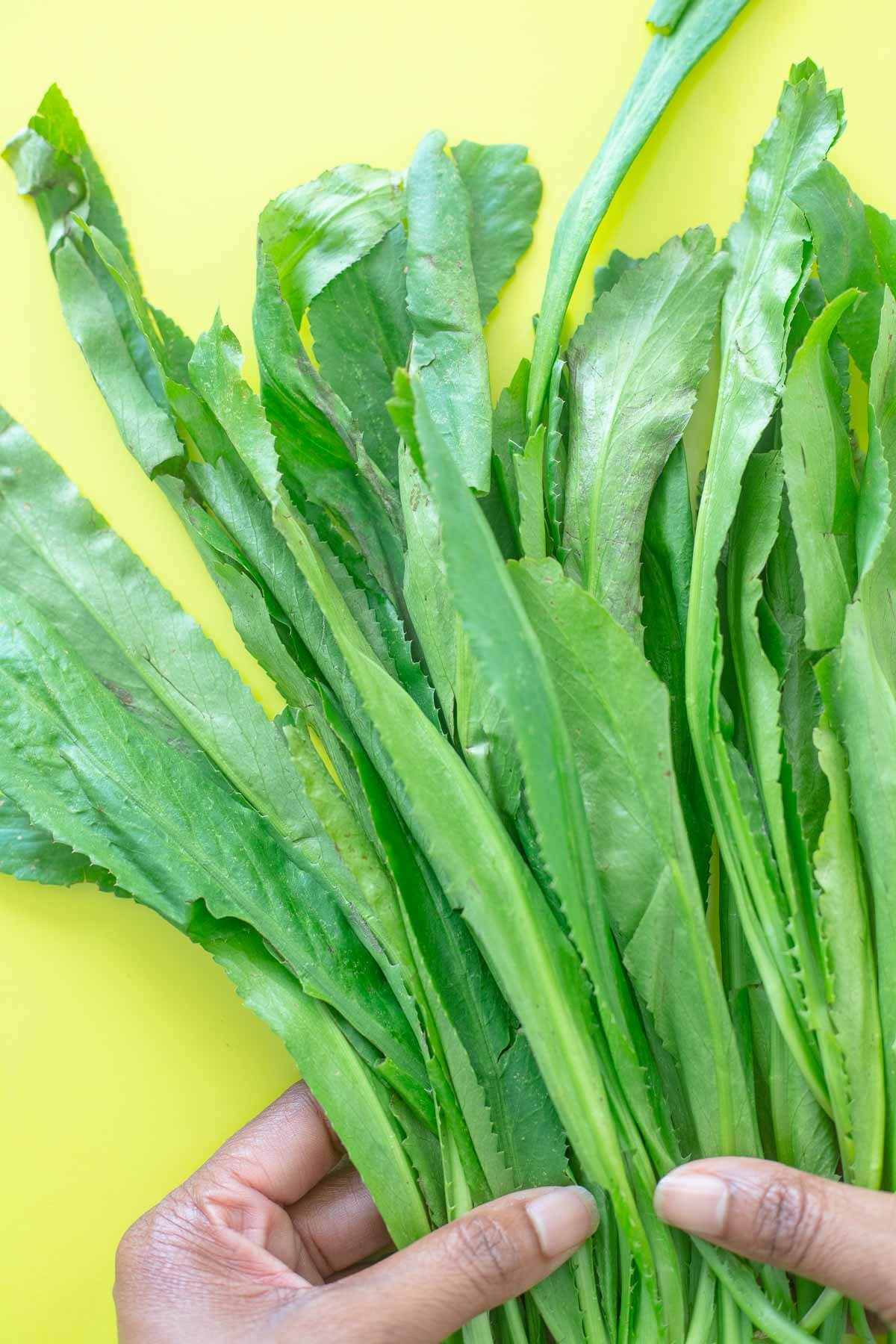
Chadon beni, also called shado beni, shadow benny, or culantro, is a staple herb across Latin America and the Caribbean. It’s used in a wide range of dishes, from marinades and stews to chutneys and sauces. The herb brings bold flavor and a punch of freshness, making it a go-to in our kitchens.
You’ll find it in curries, soups, and even fruit-based dishes like chow. It pairs beautifully with meat, seafood, vegetables, and more, adding depth and that distinct Caribbean taste.
One of the most popular ways we use it is in chadon beni sauce. It gives your dish that unmistakable burst of flavor and authentic island vibes.
What does chadon beni look and taste like?
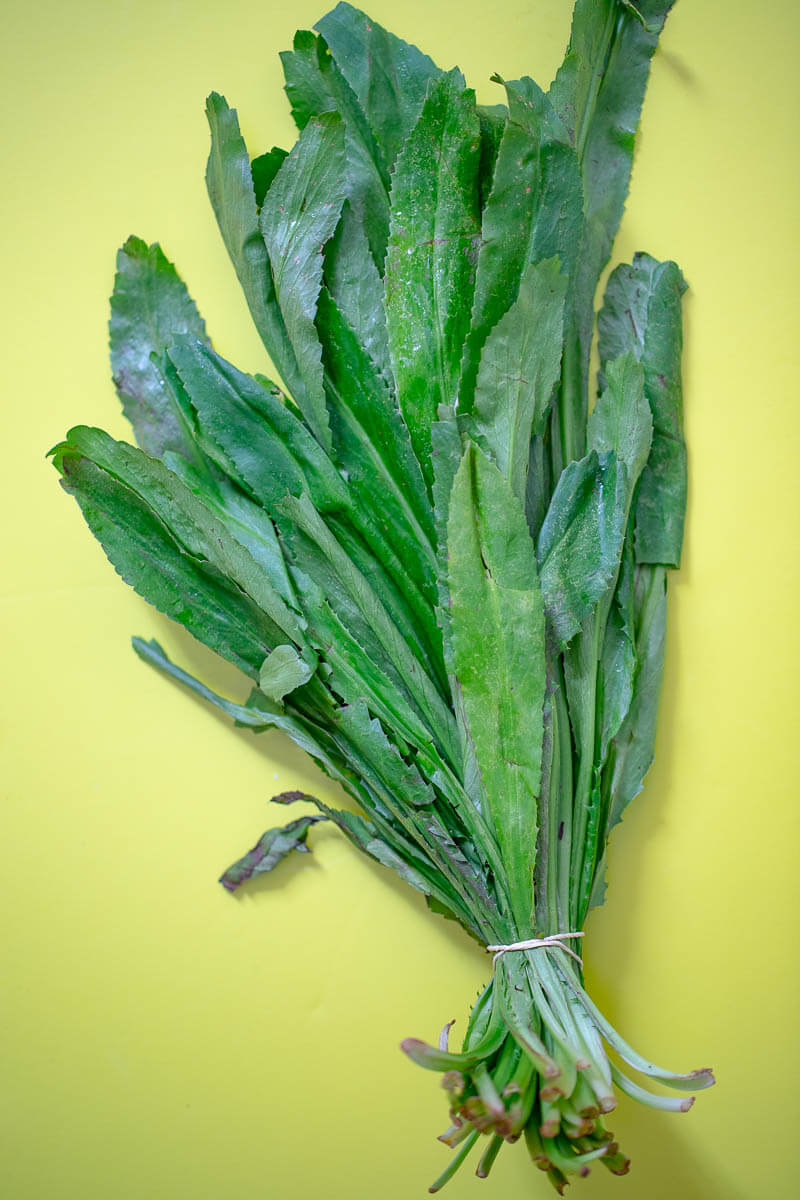
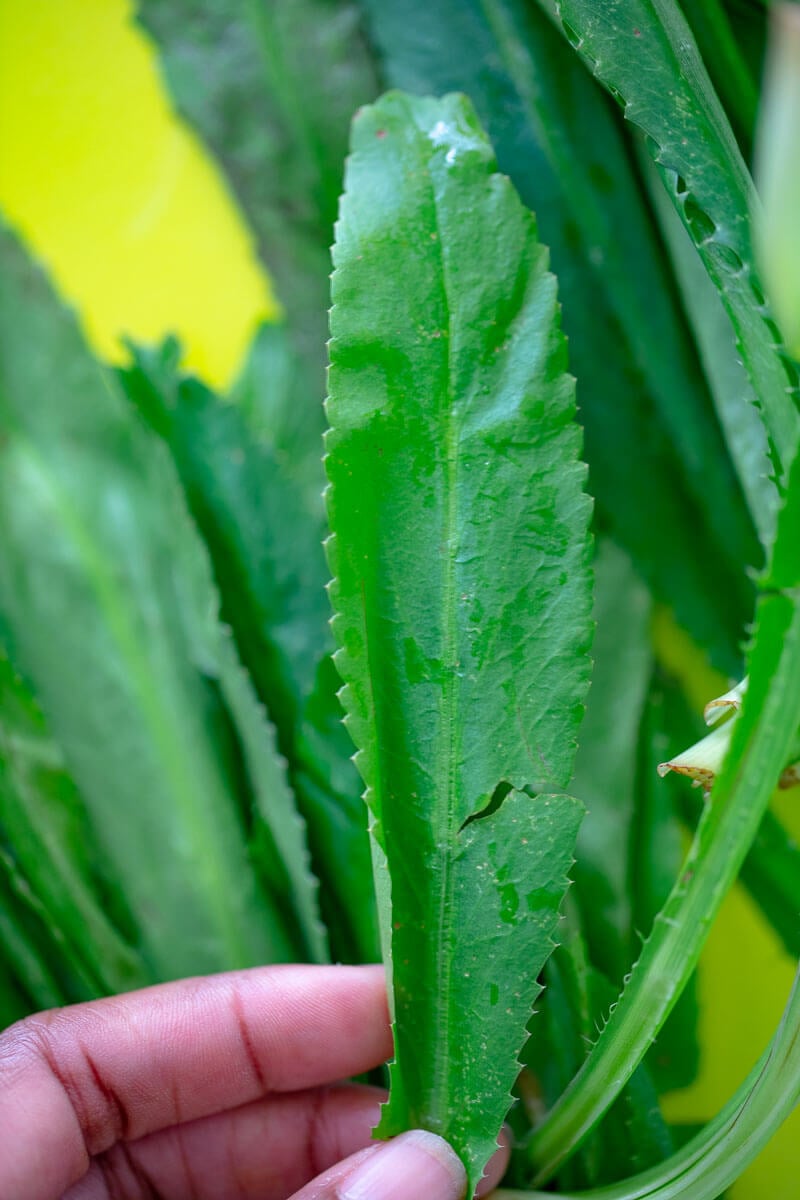
Chadon beni has long, narrow, serrated leaves with a deep green color and a glossy surface. The leaves grow in a rosette close to the ground and eventually produce small flower stalks if left to mature. During dry weather, the leaves may stay smaller, but with partial shade and consistent moisture, they grow longer and wider.
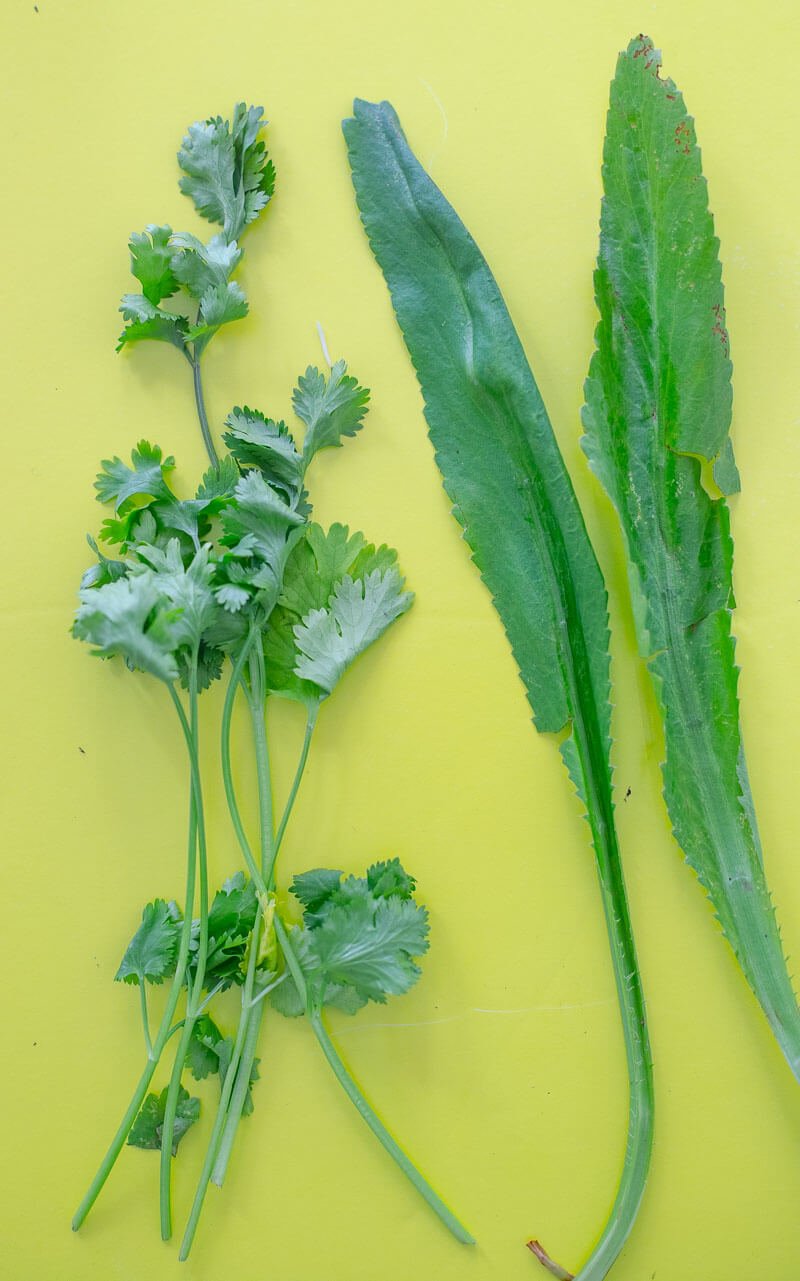
While it’s often mistaken for cilantro, the two herbs are easy to tell apart once you know what to look for. Cilantro has soft, rounded leaves, while chadon beni has long, saw-toothed leaves.
The flavor is where chadon beni really stands out. It has a bold, earthy, slightly peppery taste with a strong aroma that becomes even more fragrant as it cooks. A little goes a long way, which is why most Caribbean recipes use just a handful of leaves rather than an entire bunch.
Around Trinidad and Tobago, you’ll also hear it called fit weed, a nickname that comes from how easily it grows. Give it a little shade, some moisture, and it’ll happily take over a corner of the garden.
Chadon beni vs cilantro
Although chadon beni and cilantro are closely related, they aren’t the same herb. They’re often confused because both belong to the coriander family, but their appearance, flavor, and how they’re used in cooking are quite different.
Chadon beni has a much stronger, earthier flavor than cilantro and holds up well during cooking. That’s why it’s commonly used in Caribbean soups, stews, curries, green seasoning, and pepper sauce. Cilantro has a lighter, fresher taste and is more often added near the end of cooking or used as a garnish.
If a recipe calls for chadon beni and you can only find cilantro, you can substitute it, but you’ll need about twice as much to achieve a similar level of flavor. Even then, the taste won’t be exactly the same.
| Chadon beni | Cilantro |
|---|---|
| Long, narrow, serrated leaves | Soft, rounded leaves |
| Strong, earthy flavor | Mild, fresh flavor |
| Stands up well to cooking | Best added fresh or near the end of cooking |
| Common in Caribbean and Latin American cooking | Common in Mexican, Indian, and Asian cooking |
Benefits of chadon beni
Chadon beni is best known for the bold flavor it brings to Caribbean cooking, but it has also been used for generations in traditional herbal remedies throughout the Caribbean, Latin America, and parts of Asia.
The herb contains nutrients such as vitamins A and C, along with naturally occurring antioxidants. In traditional medicine, it’s been used for a variety of purposes, including digestive support and reducing inflammation. While some studies have explored its potential health benefits, more research is needed before these uses can be confirmed.
Beyond the kitchen, chadon beni is also popular with home gardeners. It’s relatively easy to grow in warm climates, requires very little maintenance, and produces a steady supply of fresh leaves throughout the growing season.
If you’re interested in learning more about the research, I’ve linked to a published study below.
How to use chadon beni in cooking
This herb is incredibly versatile. Here are a few ways I love to use it:
- Seasoning: It’s a key part of green seasoning, our beloved blended herb marinade. Blend chadon beni with herbs like parsley and cilantro, along with garlic, onions, pimento peppers, and hot pepper. Use it to marinate meat, fish, and vegetables.
- Garnish: Chop it finely or roughly and sprinkle over soups, stews, rice dishes, or even pineapple chow.
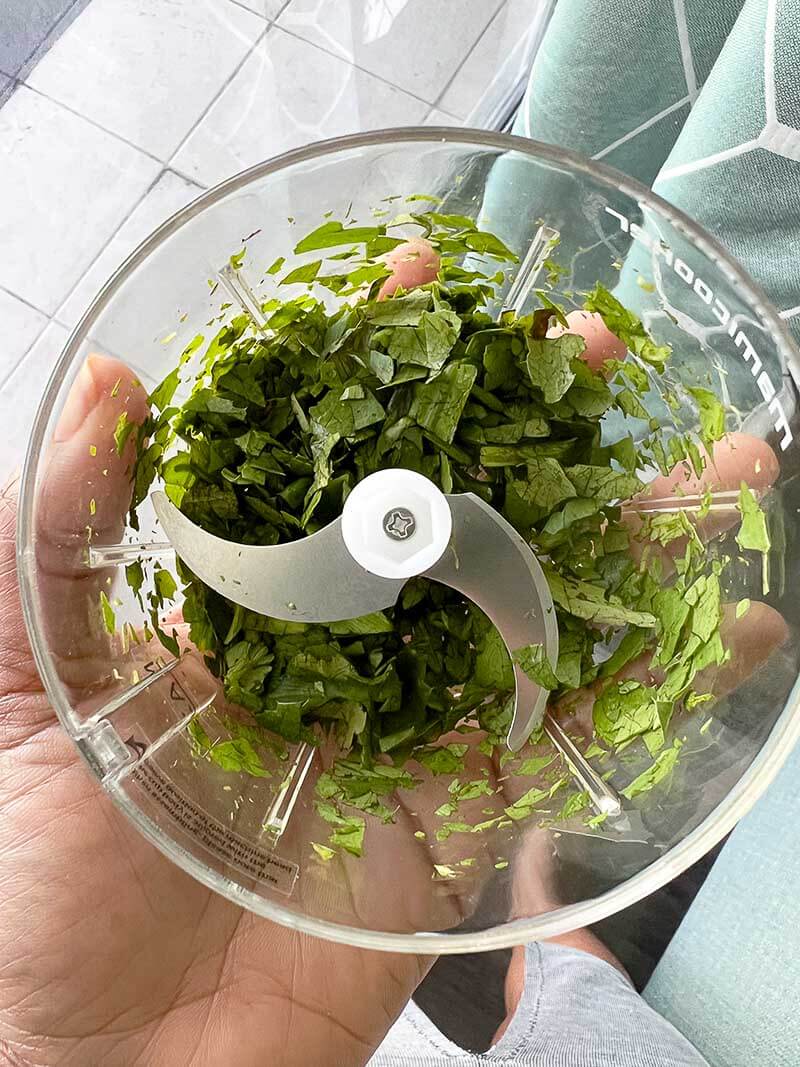
- Herb paste: Blend it with garlic, onions, and peppers to create a vibrant paste. This is great as a marinade, dressing base, or dip for freshly baked bread.
- Sauces and dips: Add it to salsas, chutneys, or pepper sauces. It’s a key ingredient in Caribbean pepper sauce and also great in mango sour.
- Infused oils and vinegar: Steep in olive oil or vinegar to create a flavorful infusion. Drizzle over salads, grilled vegetables, or use to sauté onions and garlic.
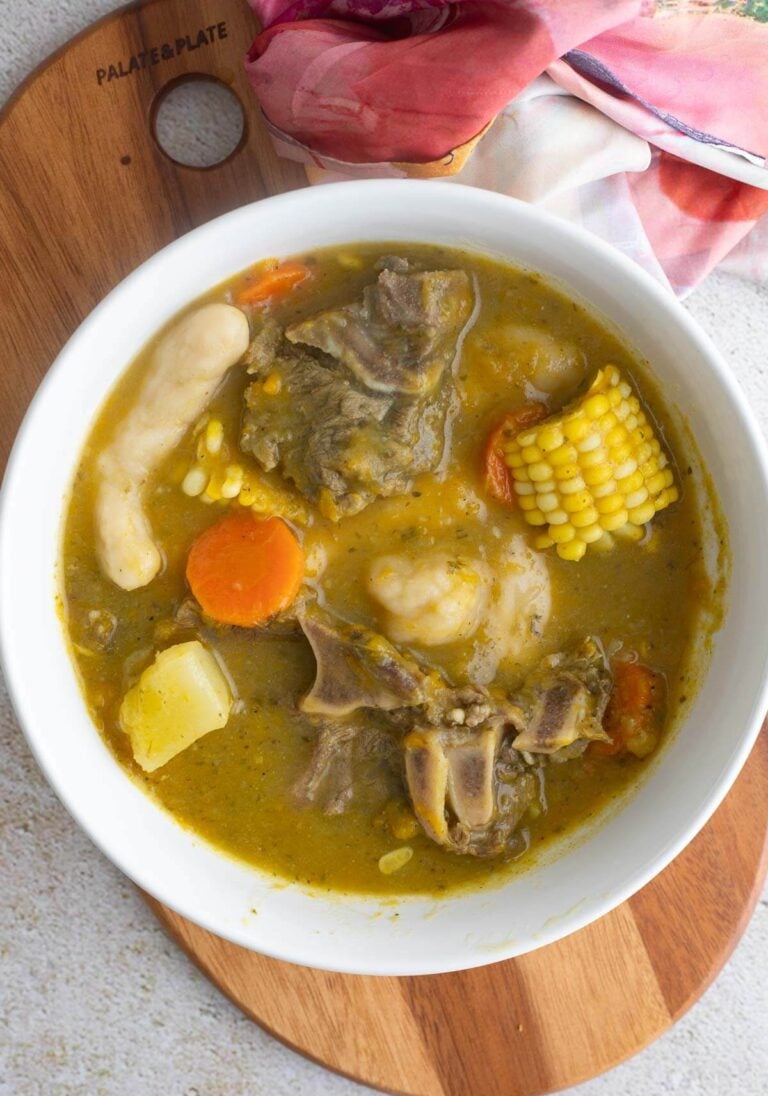
- Soups and stews: Toss in a few chopped leaves while your dish simmers. It’ll infuse your meal with earthy aroma and bold flavor.
Remember, the flavor of this herb can be quite potent, so start with a small amount and adjust according to your taste preferences.
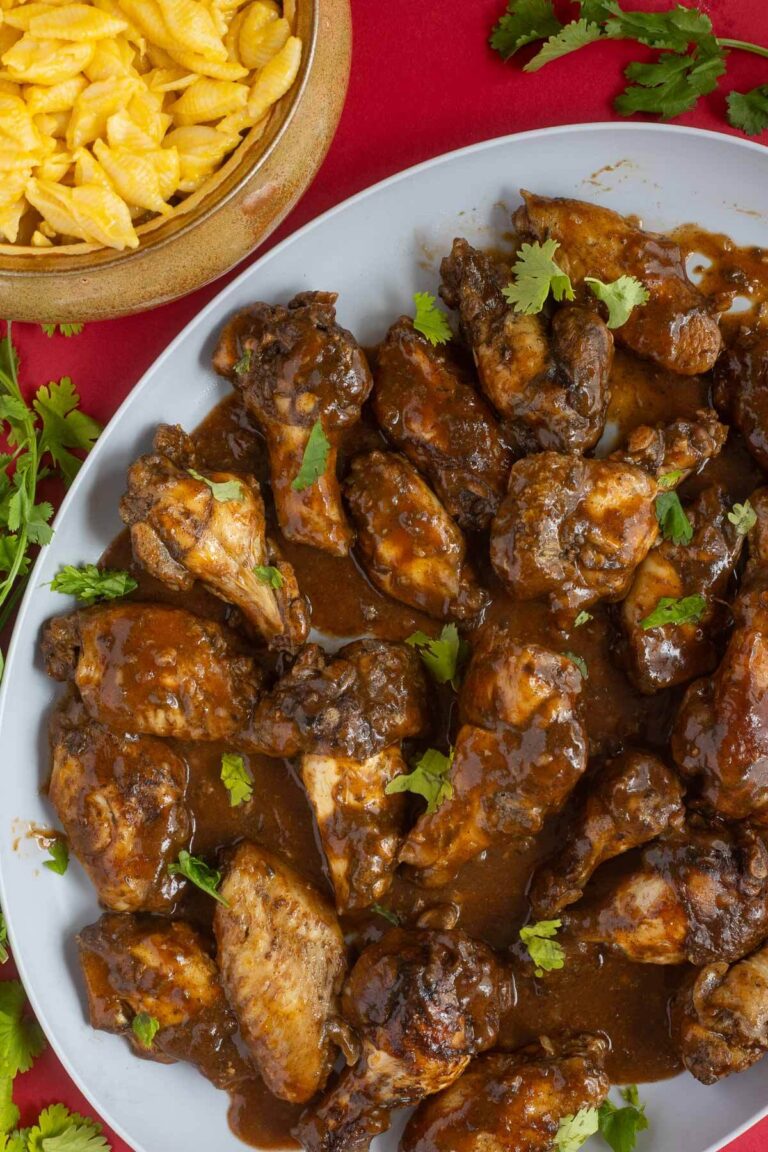
Some of my favourite recipes that use chadon beni include Green Seasoning, Chadon beni sauce, Trinidad Pepper Sauce, Callaloo, Pineapple Chow, and Curry Corn.
Where to buy chadon beni
Fresh chadon beni is easiest to find in Caribbean, Latin American, or Asian grocery stores, especially in areas with large Caribbean communities. Depending on the store, it may also be labeled as culantro, recao, or shado beni, so keep an eye out for those names as well.
If you can’t find it locally, check your local farmers’ market during the growing season or order it from an online Caribbean grocery or specialty produce retailer. You can also grow your own from seeds or starter plants if you live in a warm climate.
When buying fresh chadon beni, look for:
- Bright green, firm leaves
- A fresh, strong herbal aroma
- Leaves without yellowing, wilting, or dark spots
If fresh chadon beni isn’t available, cilantro can be used as a substitute in a pinch, although you’ll generally need about twice as much because its flavor is much milder.
How to store chadon beni
Store it in the refrigerator
For the best flavor, wrap fresh chadon beni in a slightly damp paper towel and place it inside a resealable bag or airtight container in the refrigerator. Stored this way, it should stay fresh for about 5 to 7 days.
Another option is to stand the stems in a small jar with a little water, loosely cover the leaves with a plastic bag, and refrigerate. Change the water every couple of days to help keep the herb fresh.
Can you freeze chadon beni?
Yes! Freezing is one of the easiest ways to preserve chadon beni if you have more than you can use.
You can:
- Freeze the leaves whole in a freezer-safe bag.
- Chop the leaves before freezing for easy use in soups and stews.
- Freeze chopped chadon beni in ice cube trays with a little water or olive oil, then transfer the cubes to a freezer bag once frozen.
Frozen chadon beni keeps well for several months. While the texture softens after thawing, the flavor remains excellent for cooked dishes.
Can you dry chadon beni?
You can dry chadon beni in a dehydrator, a low-temperature oven (about 250°F), or by air-drying the leaves in a cool, well-ventilated place.
Once completely dry, crumble the leaves and store them in an airtight container away from heat and light. Although dried chadon beni isn’t as flavorful as fresh, it’s still a convenient option for soups, stews, and seasoning blends.
I usually dry mine in the oven or let it fridge-dry overnight on paper towels before finishing it in the dehydrator. It keeps well and means I always have some on hand when fresh isn’t available.
Other names for chadon beni
| Country/Region | Common name |
|---|---|
| Trinidad and Tobago | Chadon beni, shado beni, shadow benny, fit weed |
| Guyana | Chadon beni |
| Puerto Rico | Recao |
| Dominican Republic | Recao |
| Cuba | Culantro |
| Mexico & Central America | Cilantro ancho, Mexican coriander |
| Vietnam | Ngò gai |
Depending on where you are, you may hear this herb called chadon beni, shado beni, shadow benny, bandania, culantro, or recao. Although the names vary by country and region, they’re all referring to the same flavorful herb.
Frequently Asked Questions
No. Although they’re closely related, chadon beni has a much stronger flavor and long, serrated leaves, while cilantro has softer, rounded leaves and a milder taste. If you need a substitute, cilantro can work in a pinch, but you’ll usually need about twice as much.
Chadon beni has a bold, earthy, slightly peppery flavor with a strong aroma. It’s much more intense than cilantro, which is why most recipes only use a small amount.
Yes. Chadon beni can be enjoyed both raw and cooked. It’s commonly blended into green seasoning and sauces or finely chopped and added to dishes like pineapple chow and salads. It can also be stirred into soups and stews during cooking.
Yes. Fresh chadon beni freezes well. You can freeze the leaves whole, chop them before freezing, or portion them into ice cube trays with a little water or oil for easy cooking later.
In many U.S. grocery stores, especially Latin American markets, chadon beni is sold as culantro or recao rather than by its Caribbean name. If you don’t see “chadon beni,” look for one of those names instead.
No. While it’s a staple herb in Trinidad and Tobago, chadon beni is also widely used throughout the Caribbean, Latin America, and parts of Asia. Depending on the country, it may be called culantro, recao, bandania, or another local name.
Final Thoughts
Chadon beni is a powerhouse ingredient in Caribbean cooking. Whether you’re blending it into seasoning, sprinkling it on top of chow, or tossing it into a bubbling pot of stew, it brings unmistakable flavor and Caribbean character to your dish.
If you haven’t used it yet, now’s the time to give it a try.
It's also called Culantro!