
Caribbean Cassava Recipes: Sweet and Savory Ideas
If there’s one ingredient that has earned its stripes across the Caribbean table, it’s cassava. Boiled, baked, grated, fried, this root has seen it all and still shows up like a true champ. So come check out all of these cassava recipes.
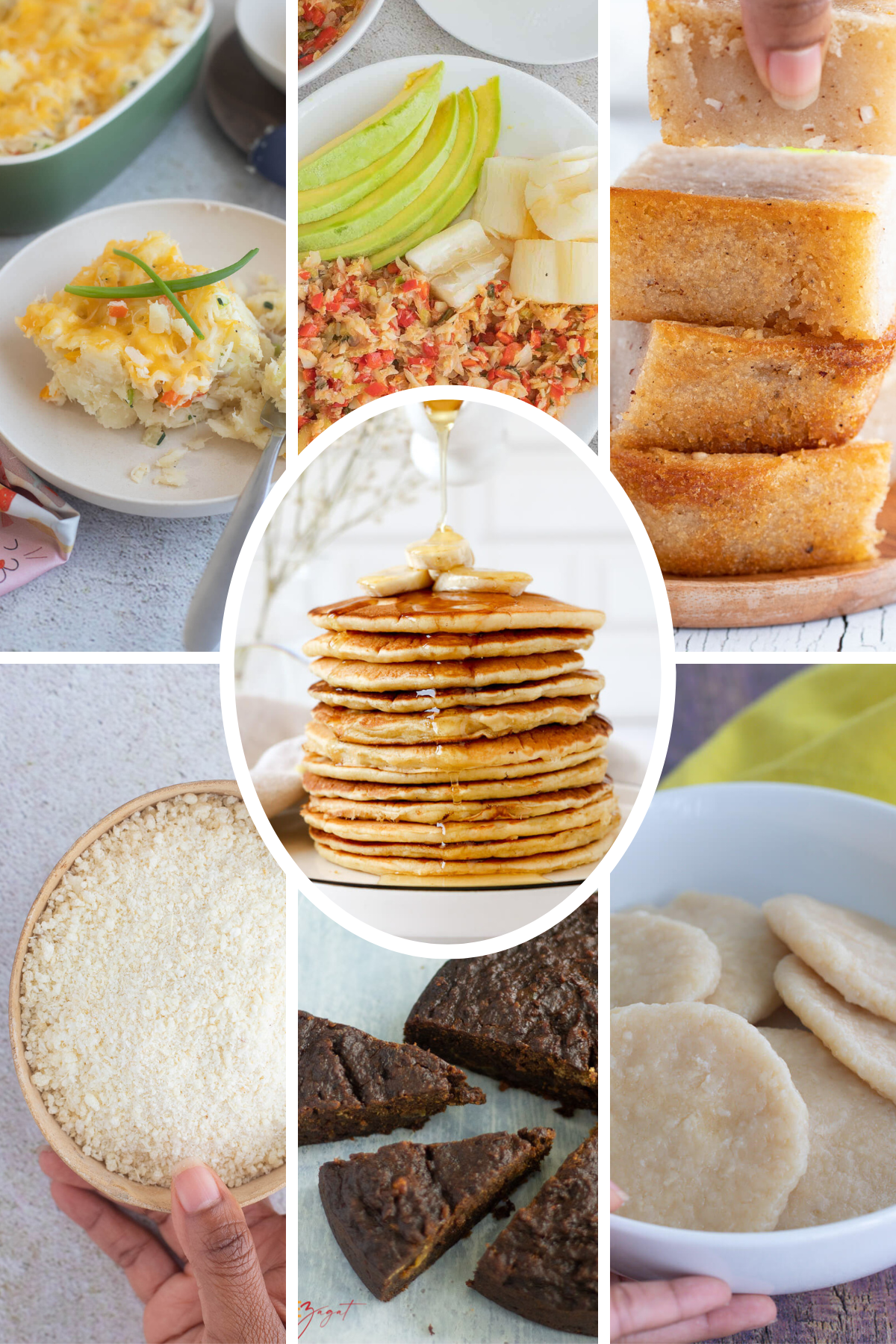
Growing up in Trinidad and Tobago, cassava was that steady cousin who popped up at every family lime: on the plate next to stewed chicken, tucked into pone, or mashed up buttery-soft for Sunday lunch.
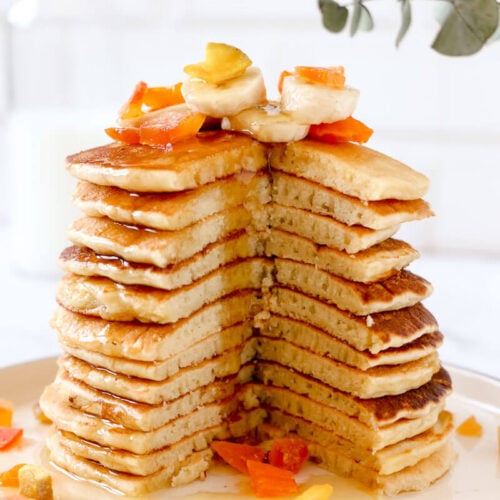
These days, I’ve been rediscovering just how versatile this humble root is, from comfort classics like butter cassava to fun twists like cassava flour pancakes (yes, please!).
In this roundup, I’m sharing some of my favourite cassava recipes. Both traditional and a few new spins I’ve been testing in my kitchen. Whether you call it yuca, manioc, or just that “white root thing,” there’s a cassava dish here for every mood.
Cassava 101 – What you need to know
What is cassava?
Cassava is a starchy root vegetable common across the Caribbean, Latin America, Africa, and Asia. It’s naturally gluten-free, mild in flavour, and takes on whatever seasoning you throw at it; basically, the best kind of blank canvas.
Sweet vs bitter cassava
You’ll mostly find sweet cassava sold for home cooking, either fresh or frozen and already peeled. Cassava should always be peeled and thoroughly cooked before eating.
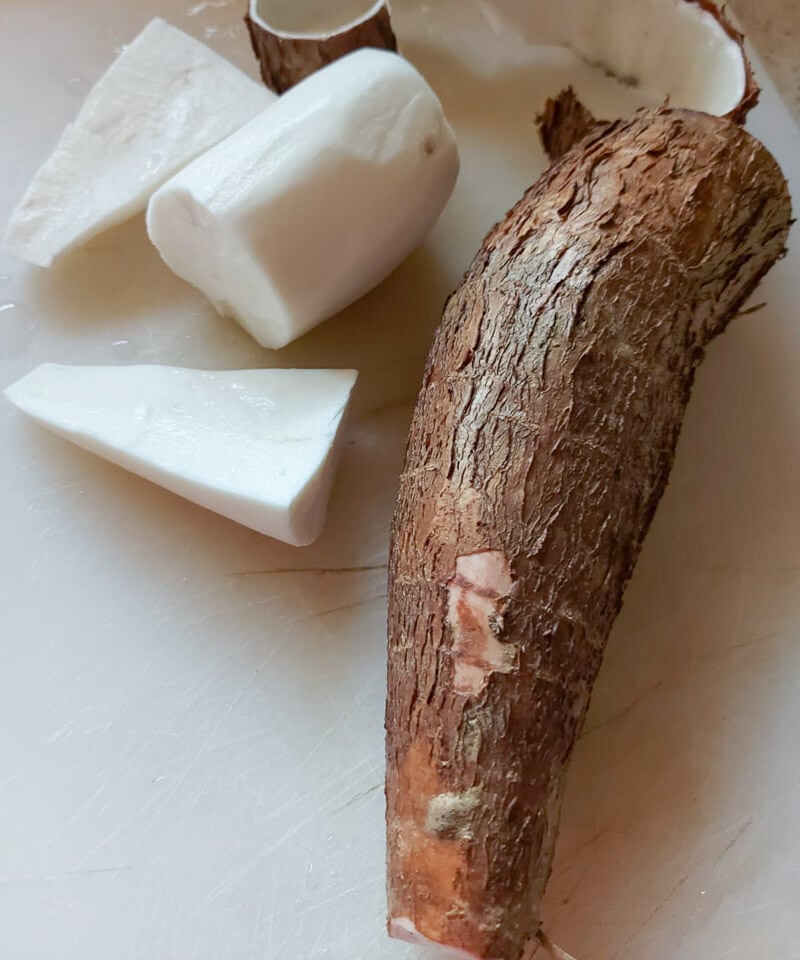
Prepping cassava safely
Cassava should not be eaten raw. Peel it properly and cook it thoroughly before eating. Here’s how I prep fresh cassava:
- Peel off the thick brown skin and the pinkish layer underneath.
- Cut into chunks, then rinse well.
- Boil in salted water until fork-tender (about 20–25 minutes).
Once boiled, you can mash it, fry it, bake it, or sneak it into pies and desserts.
Need more step-by-step help? Here’s my full guide on how to boil cassava perfectly every time.
Cassava flour and starch
When dried and ground, cassava becomes cassava flour, a grain-free substitute for regular flour that’s light, slightly nutty, and amazing for pancakes, cakes, or flatbreads. Tapioca flour (or starch) comes from the same root but is extracted differently; it’s great for thickening and chewy bakes.
Cassava also shows up in dried form as farine, a Caribbean staple. More on that below.
Taste and texture
Cooked cassava is buttery and slightly nutty, like when a potato meets yams and decides to get fancy. It pairs perfectly with coconut milk, salted fish, or even a drizzle of condensed milk if you have a sweet tooth.
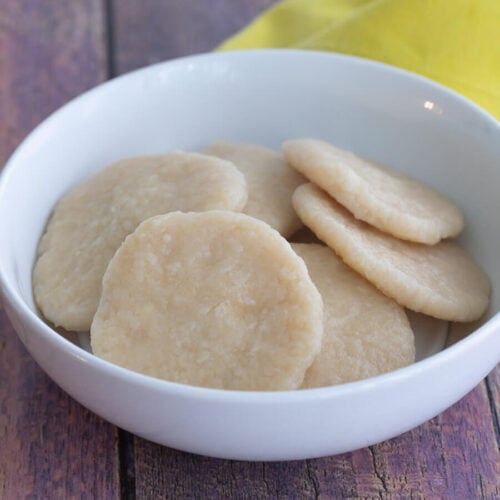
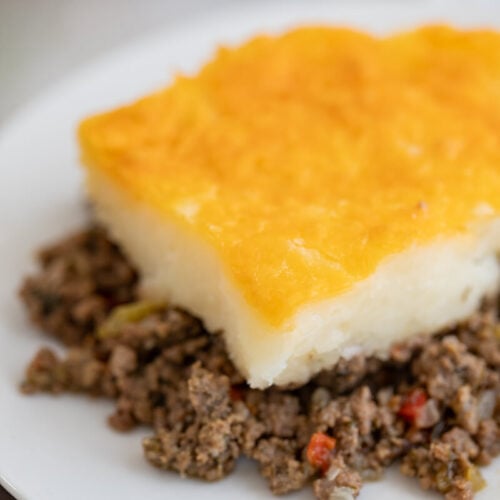
Savory Caribbean Cassava Recipes
When you think of “cassava,” your first thought might be pone or some sweet treat your granny baked for a Sunday dessert.
But savory cassava recipes are just as comforting and ready to show up next to any stew or curry.
Below are a few favourites straight from my kitchen (and my heart).
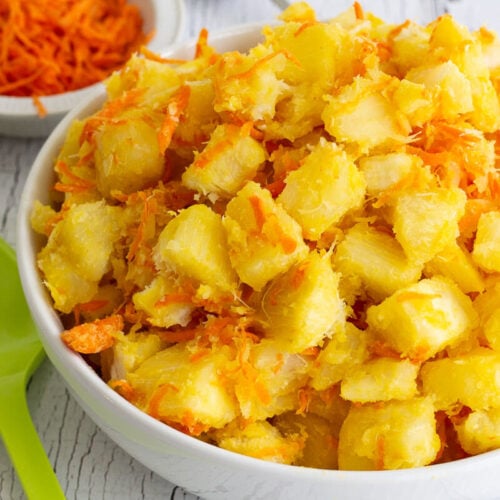
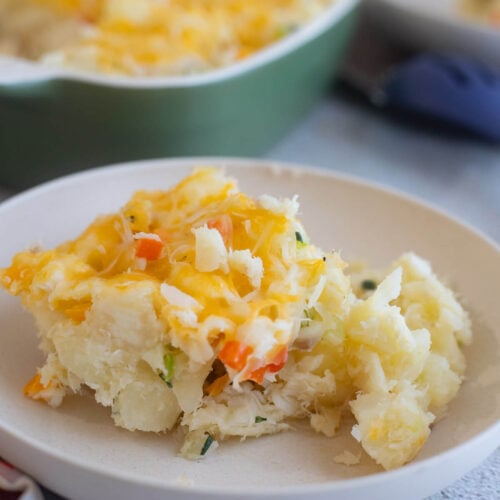
Sweet Caribbean Cassava Recipes
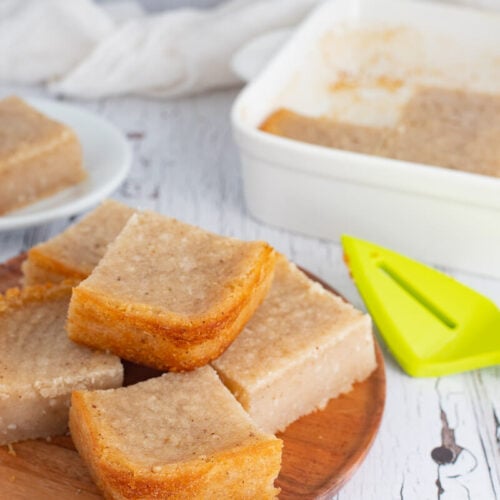
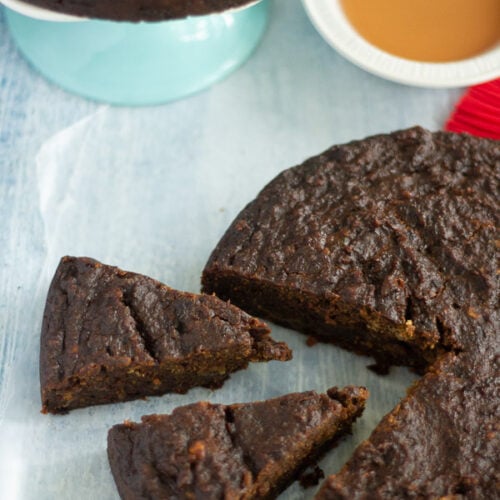
Cassava in dessert form is a whole vibe. From sticky pone to rich cakes, cassava brings that soft chew and subtle sweetness that makes you wonder why we ever stopped grating roots for dessert.

Beyond the Caribbean – Cassava around the world
Cassava isn’t just ours; it’s loved across continents. From African fufu to Brazilian pão de queijo to Filipino cassava cake, this root connects cultures through comfort food.
You can even find cassava in its dried form, known as farine, a traditional Caribbean staple made from grated, toasted cassava. It’s nutty, toasty, and used in everything from porridges to thickening stews.
Learn About Farine (Dried Cassava)
Tips for cooking with cassava
- Peel it well. Remove both the thick brown skin and the pinkish layer underneath before cooking.
- Cook it thoroughly. Cassava should not be eaten raw, so make sure it is properly cooked before serving.
- Frozen is fine. If fresh cassava is hard to find, the frozen peeled kind works just as well.
- Texture check: Cassava should be soft but not mushy when boiled. Think “al dente yam.”
- Storage: Store boiled cassava in the fridge for up to 3 days or freeze it for up to 2 months.
What’s Next
Cassava is one of those ingredients that can handle anything you throw at it: sweet, savory, fried, baked, or blended.
I’ve got a few new cassava recipes in the works, so make sure to bookmark this post or subscribe for updates.
And if you’ve got a family cassava dish you swear by, drop it in the comments. I’d love to see how you cook yours!

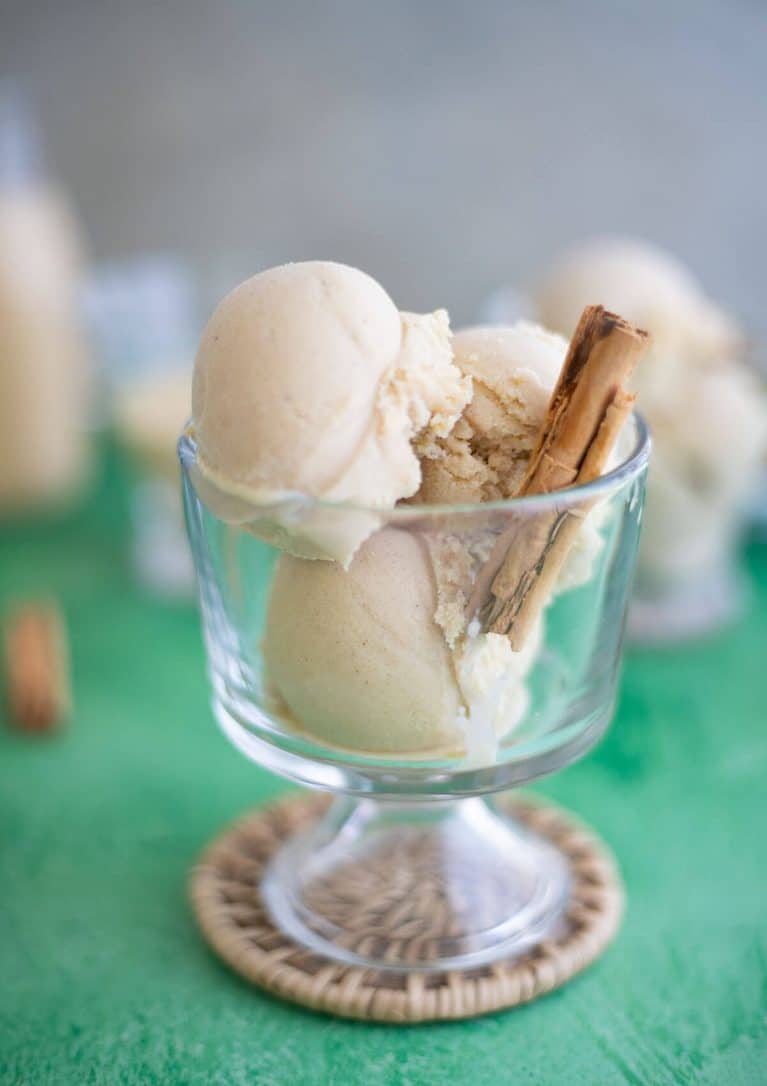
These are amazing!Hoping to make for the family some time
Thank you. And I have a few more coming in!!