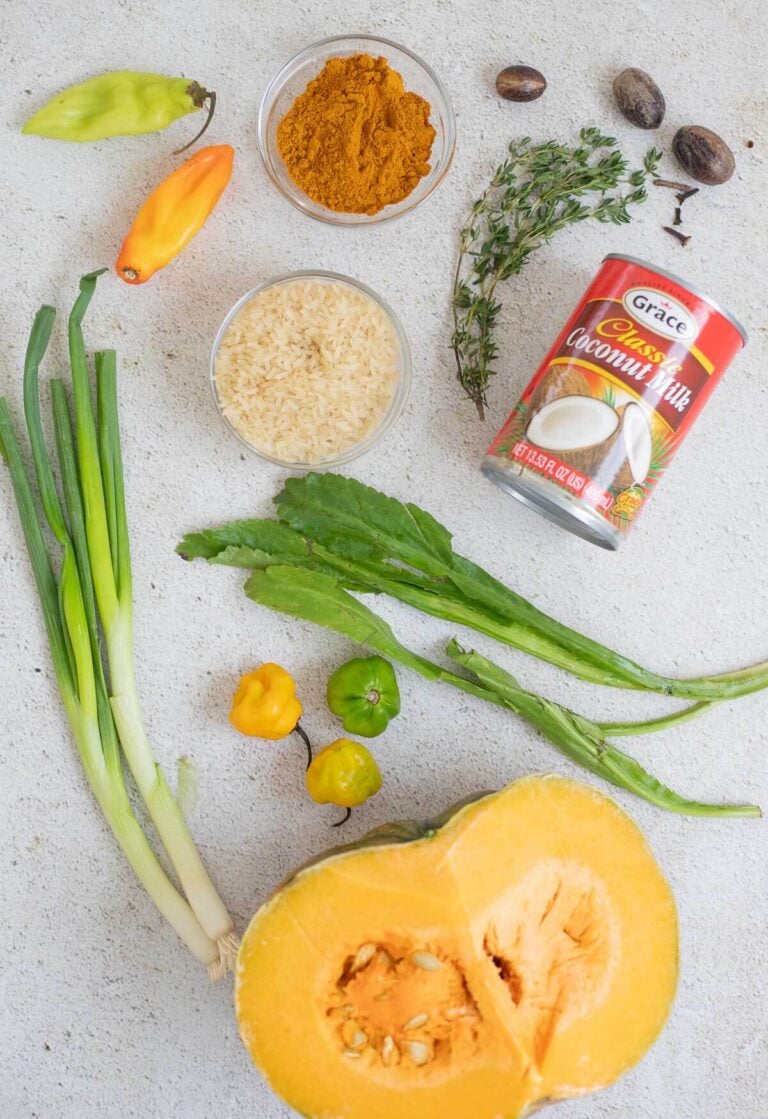
Calabaza Pumpkin: A Caribbean Guide to Cooking and Using It
Sweet, nutty, and oh-so-Caribbean, calabaza pumpkin is the tropical pumpkin that adds rich flavor to everything from soups to stews. Known as pumpkin calabaza in some kitchens, this vibrant squash is a must-have ingredient across the islands. Let’s get into what makes it so special and how to cook it right.
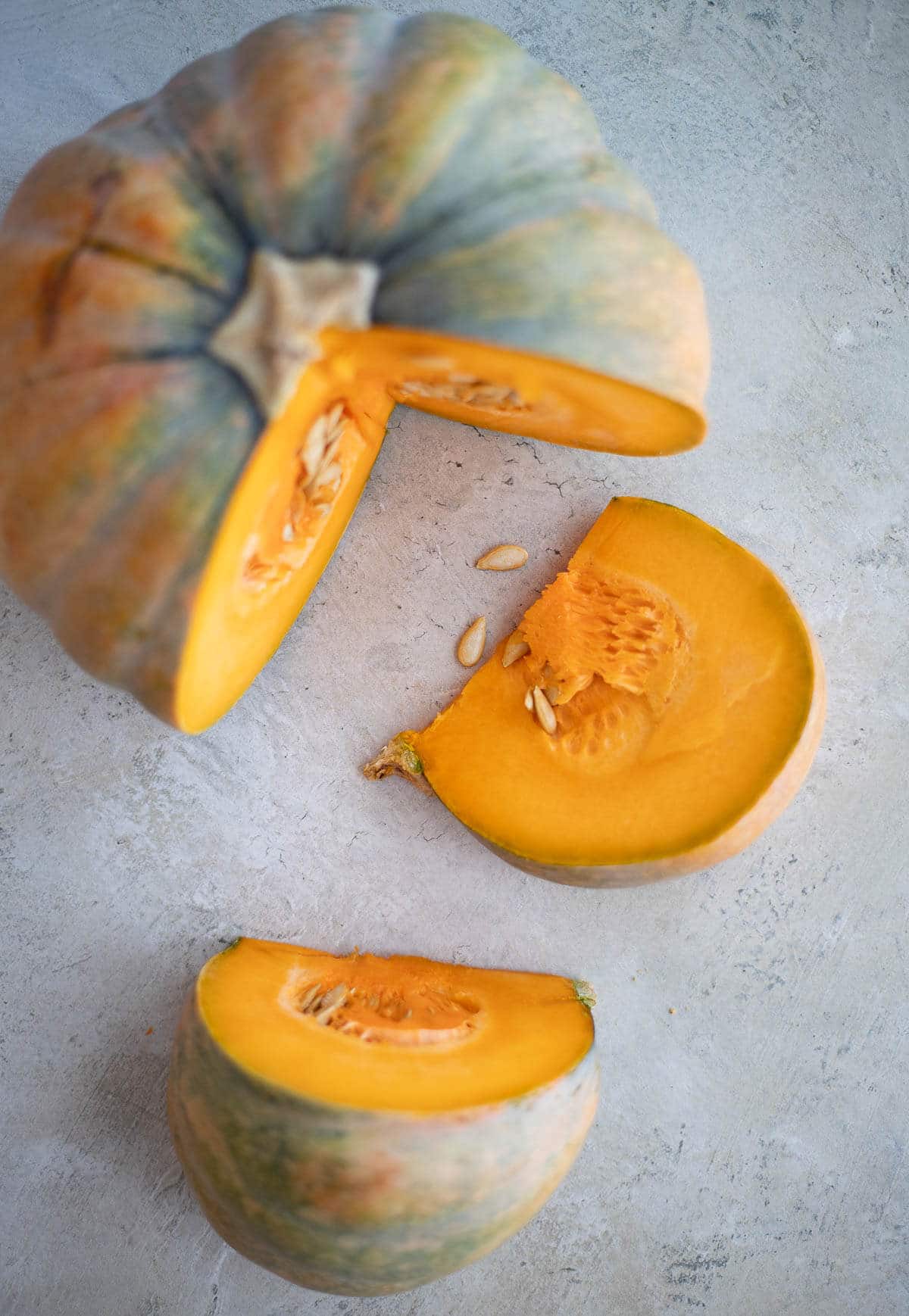
If you’ve ever wandered into a Caribbean or Latin market and spotted a huge green-and-orange squash sitting pretty, you’ve met the calabaza pumpkin, or as some folks call it, pumpkin calabaza. This tropical pumpkin is a staple across the Caribbean and Latin America, loved for its deep flavor and versatility.
From savory soups to creamy sides and even sweet drinks, calabaza is one of those ingredients that shows up everywhere. In this post, I’m breaking down what calabaza is, how it tastes, and, most importantly, how to cook it the Caribbean way.
What is calabaza pumpkin?
Calabaza pumpkin, sometimes called pumpkin calabaza, is a tropical variety of pumpkin popular throughout the Caribbean, Central, and South America. You’ll also hear it go by names like West Indian pumpkin, Cuban pumpkin, zapallo, or ayote, depending on where you are.
Unlike the bright orange pumpkins you see stacked up in grocery stores during fall, calabaza has green, tan, or mottled skin with a deep orange interior. It’s dense, sweet, and slightly nutty, making it perfect for both savory dishes and desserts.
Across the Caribbean, calabaza is part of everyday cooking, stirred into soups, folded into stews, mashed for sides, or sweetened into drinks. Its naturally rich flavor and creamy texture make it one of those “sweet hand” ingredients that always bring depth and comfort to the table.
What does calabaza pumpkin taste like?
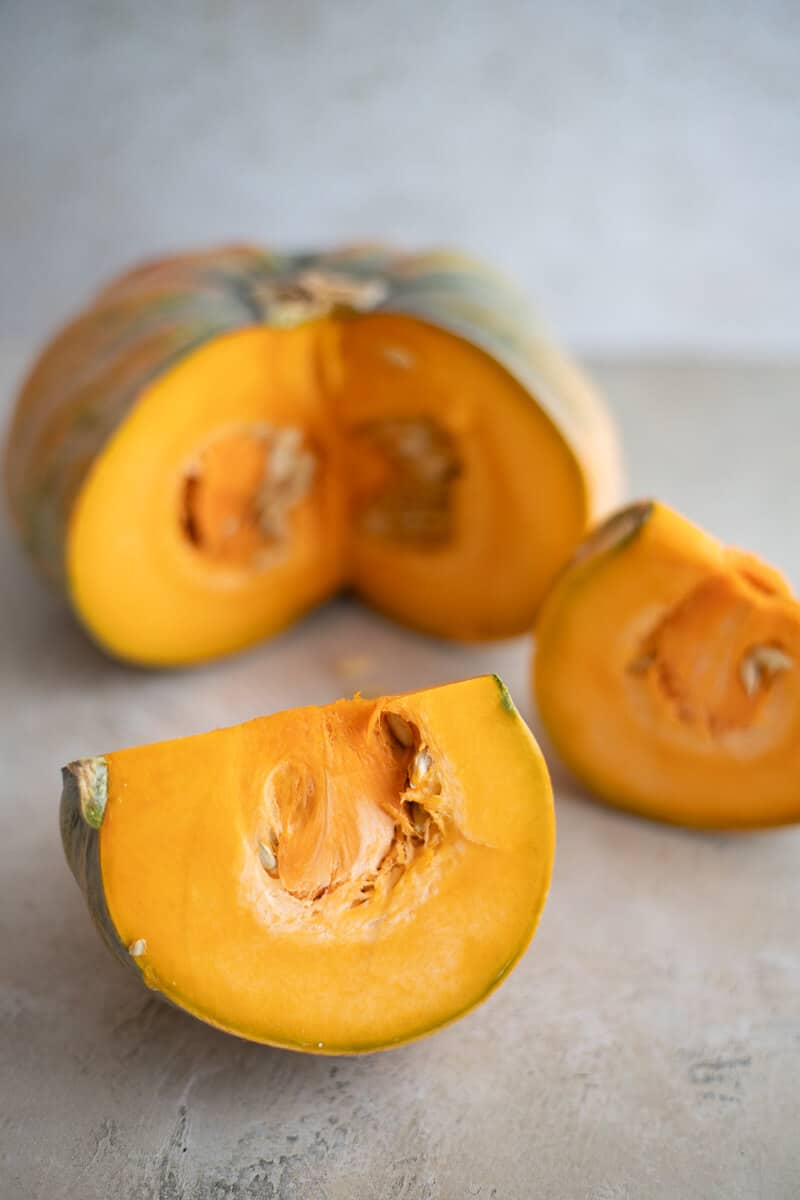
If you’ve ever tasted a mix between butternut squash and sweet potato, you’re close to what calabaza pumpkin delivers. It’s sweet, slightly nutty, and earthy, with a natural richness that deepens when cooked.
When boiled or steamed, it turns soft and creamy. Roast it, and it caramelizes beautifully, bringing out a deeper, honey-like sweetness with just a hint of spice.
The flavor is rich and velvety, with a mild sweetness that easily absorbs seasonings like curry, coconut milk, or herbs. No matter how it’s cooked, calabaza brings that hearty, home-cooked flavor we all recognize from island kitchens.
How to cook calabaza (and use it)
Learning how to cook calabaza is simple once you know how to work with its thick skin and firm flesh. The flavor shines whether it’s simmered, fried, or sweetened up for a drink.
Start by cutting the pumpkin into chunks and removing the seeds. You can peel before or after cooking — once softened, the skin slips right off.
Here are some delicious Caribbean-style ways to enjoy it:
- Boiled or steamed: A go-to base for soups, stews, or a simple mash. Once tender, it melts beautifully into dishes like Pumpkin Choka and pumpkin shrimp.
- Soups: Calabaza is a natural fit for creamy or brothy soups. It cooks down soft and blends smoothly, making it perfect for recipes like my Caribbean Pumpkin Soup and other hearty island-style soups.
- Roasted: Toss the chunks with a little oil, salt, and pepper, then roast until the edges caramelize. Roasting deepens that natural sweetness. Great as a side or tossed into salads.
- Fritters: Mix mashed calabaza with flour, spices, and a touch of sugar to make crisp, golden Pumpkin Fritters. A snack that’s pure island comfort.
- Rice dishes: Stir grated or mashed calabaza into rice while it cooks to make rich, golden Pumpkin Rice. It adds color, flavor, and that perfect creamy texture.
- Drinks: Yep, calabaza can even make a creamy, spiced Pumpkin Punch. Thick, sweet, and full of cozy flavor.
Whether you’re making something savory or sweet, calabaza adds that signature Caribbean warmth to every dish.
Where to buy and how to store calabaza
You can usually find calabaza pumpkin at Caribbean, Latin, or Asian grocery stores — sometimes sold whole, but often pre-cut into wedges. The skin can range from green to tan or mottled orange, so don’t worry if it doesn’t look like a Halloween pumpkin. What you want is a piece that feels heavy for its size, with bright orange flesh and no soft spots.
At home, keep the whole calabaza in a cool, dry place for up to two weeks. Once it’s cut, wrap the pieces tightly and refrigerate — they’ll last about four to five days. You can also peel, cube, and freeze it for longer storage.
And a little kitchen truth: cutting calabaza is a workout! Its rind is thick, so use a sharp, sturdy knife and take your time. Once it’s sliced, though, it cooks down tender and creamy in no time.
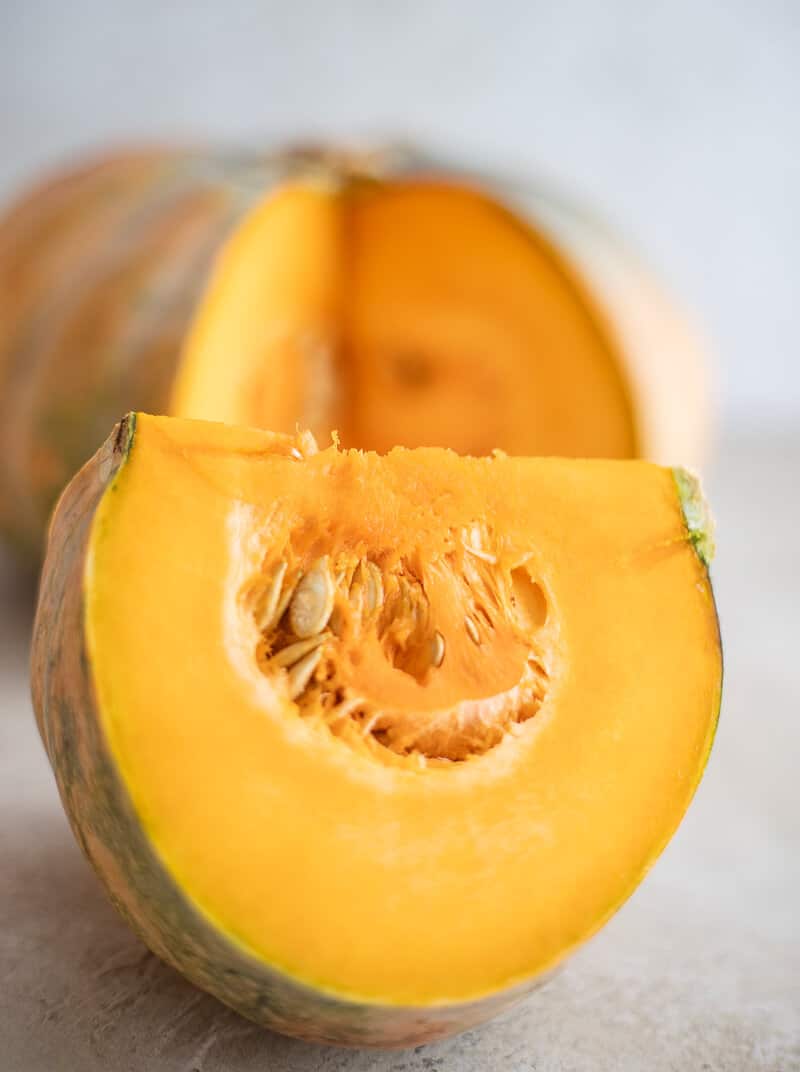
FAQs about calabaza pumpkin
Not exactly. Calabaza is a tropical variety of pumpkin that’s denser, creamier, and naturally sweeter than the orange pumpkins used for pies or carving. It’s more similar to butternut squash in texture and flavor.
The skin is edible when cooked long enough, but it’s usually peeled for soups, stews, or mashes. The rind is thick and tough to cut, so most people remove it for easier eating.
Yes! Calabaza works perfectly in almost any recipe that uses pumpkin, butternut squash, or sweet potato. It holds its shape well in stews and blends silky smooth in soups or desserts.
Slice off a small section first to create a flat base, then carefully cut down the sides with a sharp knife. Some people prefer to boil or roast the pieces with the skin and peel it off afterward — much easier and safer!
Definitely. Peel and cut it into cubes, then store it in airtight bags or containers for up to three months. Frozen calabaza goes straight into soups or stews without thawing first.
Wrap-Up
Whether you call it calabaza pumpkin or pumpkin calabaza, this tropical favorite brings color, sweetness, and that unmistakable Caribbean comfort to any dish. From hearty stews and pumpkin rice to creamy drinks and fritters, it’s one ingredient that always earns its spot on the counter.
If you’re ready to keep cooking, explore all my pumpkin recipes, then take a look at my cassava recipes and ground provision recipes for more Caribbean staples made simple and familiar.