Trinidad Tamarind Sauce Recipe (Tambran Sauce)
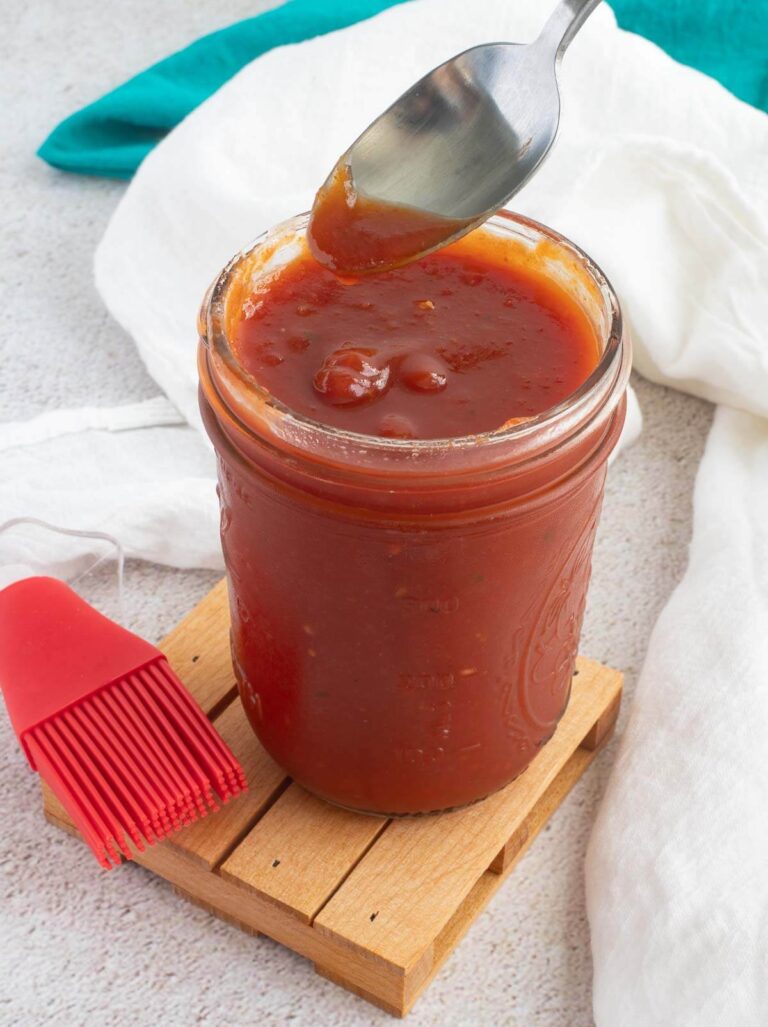
Ask any Trini, and they’ll tell you: no pholourie is complete without tambran sauce. This Trinidad tamarind sauce is sweet, sour, spicy, and downright addictive. Made by simmering tamarind with sugar and pepper, it’s the kind of sauce that makes you lick your fingers after every bite.
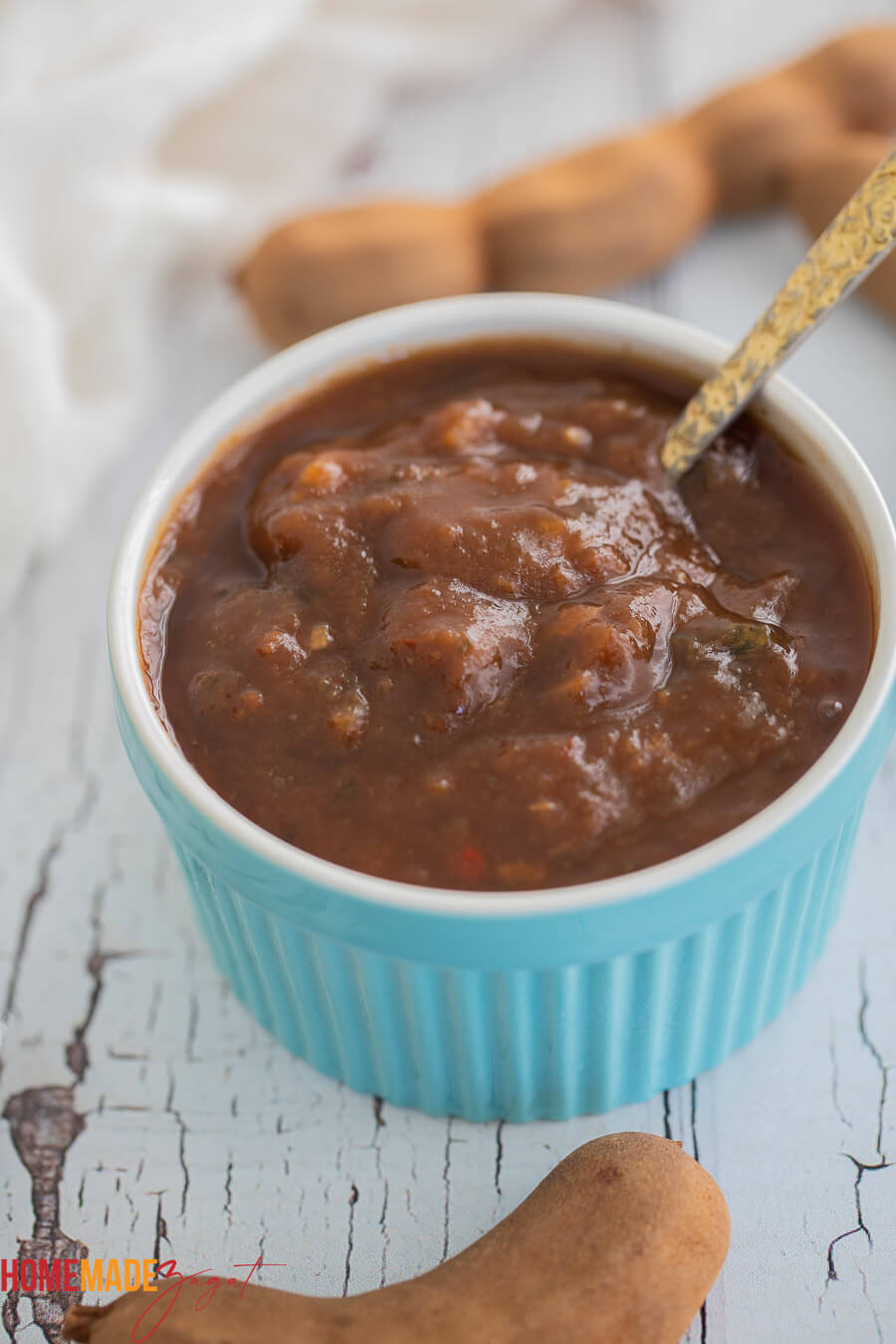
Tamarind sauce is one of my favorite Trini condiments and one I can happily put on just about everything. We usually serve it as a dipping sauce with street foods like pholourie, accra, and aloo pies, but it’s just as good with wings and other savory dishes.
Like cucumber chutney, chadon beni sauce, mango sour, mango chutney, and pineapple chutney, it’s one of those Caribbean condiments that brings plenty of flavor without needing much.
What is tamarind?
Tamarind is a tropical fruit that grows in brown pods on the tamarind tree. Inside the brittle shell is a sticky brown pulp with a distinctive sweet and sour flavor. The pulp surrounds hard seeds and is the part we use to make tamarind sauce.
Tamarind gets sweeter as it ripens, although even ripe fruit keeps some of its signature tartness. Throughout the Caribbean, we use it in both sweet and savory recipes, including tamarind balls and tamarind juice, as well as sauces and chutneys.
You can find tamarind sold as whole pods, packaged pulp, paste, or concentrate. I prefer fresh tamarind pods for tambran sauce, but I also use packaged tamarind paste with the seeds still in when fresh isn’t available.
How to select the best tamarind
Look for pods with dry, mostly intact brown shells. Avoid ones with obvious mold, moisture damage, or holes.
If you’re picking tamarind straight from the tree, I especially try to avoid pods where the shell has cracked enough to let moisture inside. Once moisture gets to the pulp, it can start to spoil or mold.
You may also come across tamarind labeled sweet or sour. The flavor can vary depending on the variety and ripeness, but either can work for tamarind sauce. Just remember that the tartness of your fruit will affect how much sugar you eventually need.
If fresh pods aren’t available, look for packaged tamarind pulp or tamarind paste at Caribbean, Indian, Asian, or Latin American markets. I sometimes use the packaged paste that still contains the seeds, then prepare it similarly by soaking and separating the pulp.
How to make Trini tamarind sauce
Ingredients
You only need a handful of ingredients to make tambran sauce. Fresh tamarind gives you that signature sweet-sour base, while sugar, pepper, garlic, and chadon beni round out the flavor.
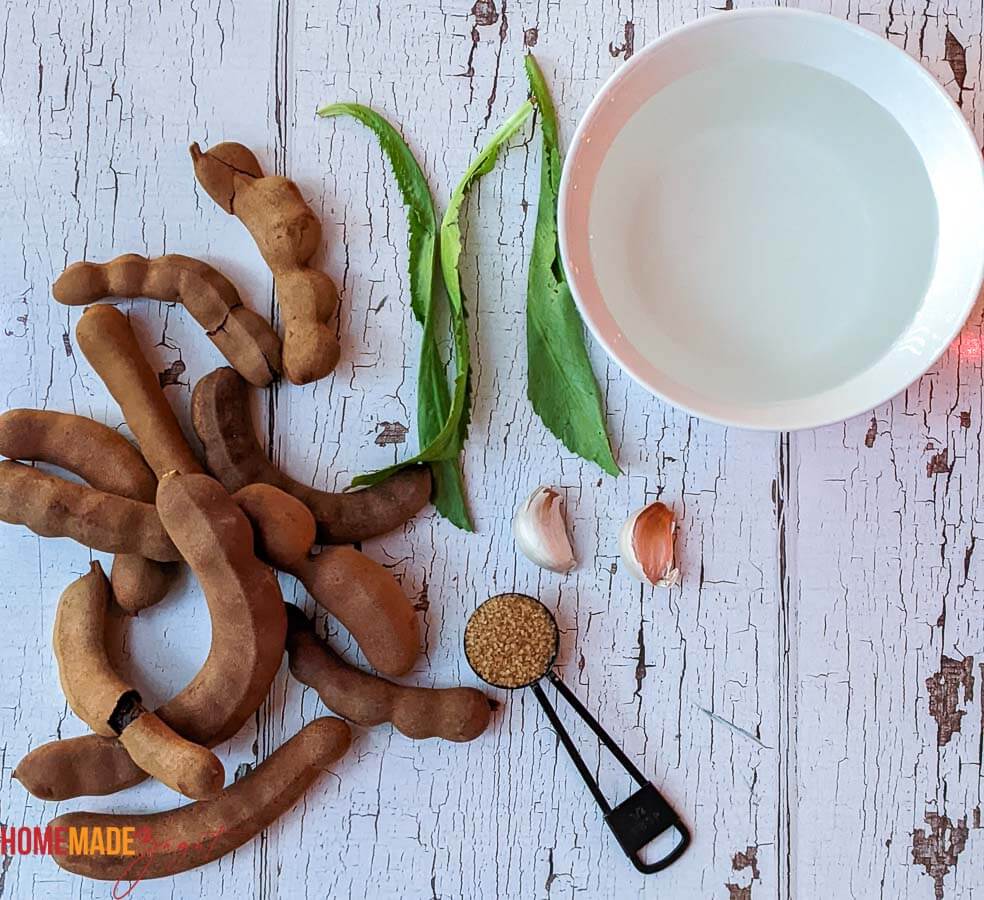
- Tamarind: Fresh tamarind pods are my first choice. Remove the shells and stringy fibers before using. Packaged tamarind pulp or seeded paste can also work if you can’t find fresh.
- Sugar: Balances the natural tartness of the tamarind and adds sweetness to the sauce. Brown sugar is my first choice, but regular granulated sugar works too.
- Scotch bonnet pepper: Adds heat and that fruity pepper flavor. You can adjust the amount to your taste, and leave in the seeds and membrane if you want a hotter sauce.
- Garlic: Adds a savory note that balances the sweet and sour flavors.
- Chadon beni: Gives the sauce that familiar Trini flavor. If you can’t find it, cilantro can work as a substitute, although the flavor is milder.
Instructions
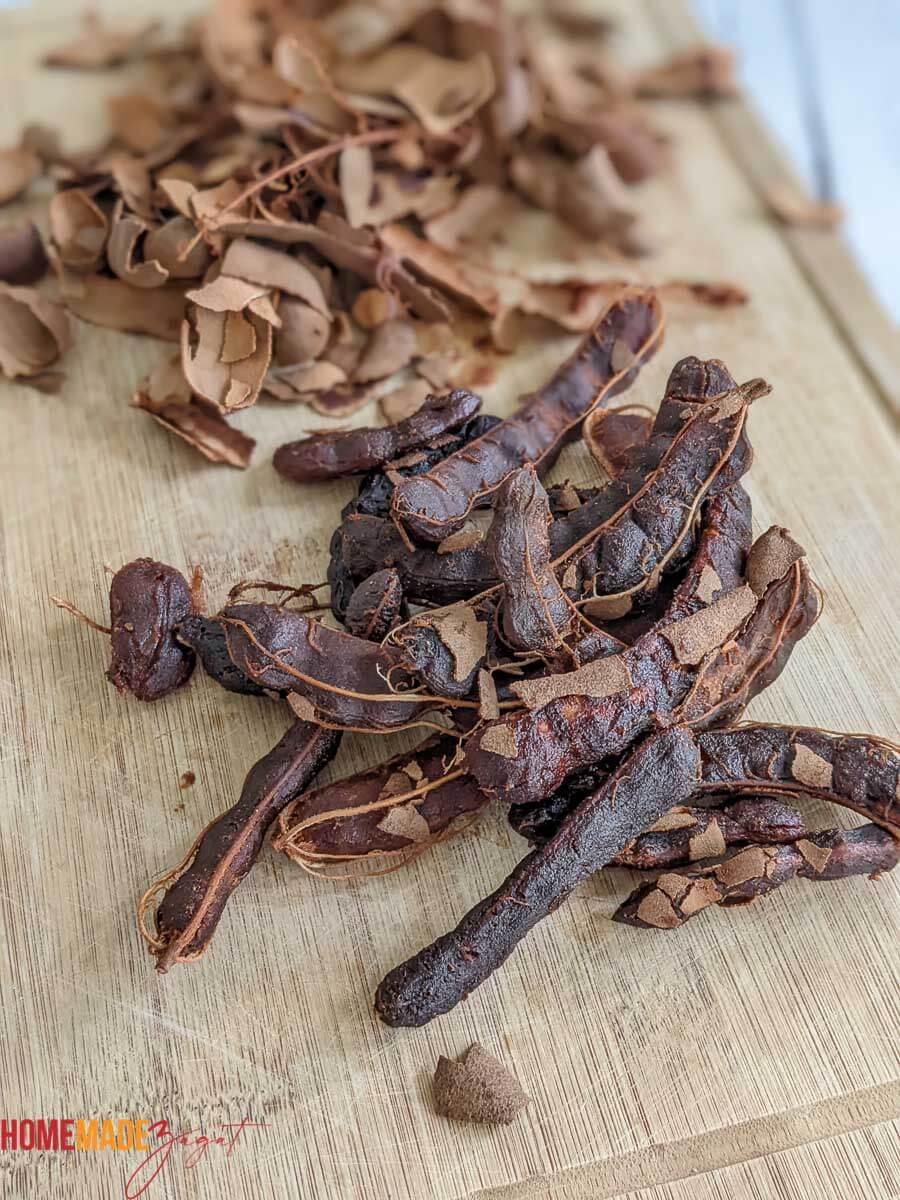
- Clean the tamarind.
Crack and remove the shells from the tamarind pods, then pull away the stringy fibers. Give the tamarind a quick rinse to remove any small pieces of shell.
- Soak the tamarind.
Add the cleaned tamarind to the pot with the water and let it soak for about 30 minutes. This starts softening the pulp and makes the seeds easier to remove.
- Prepare the seasonings.
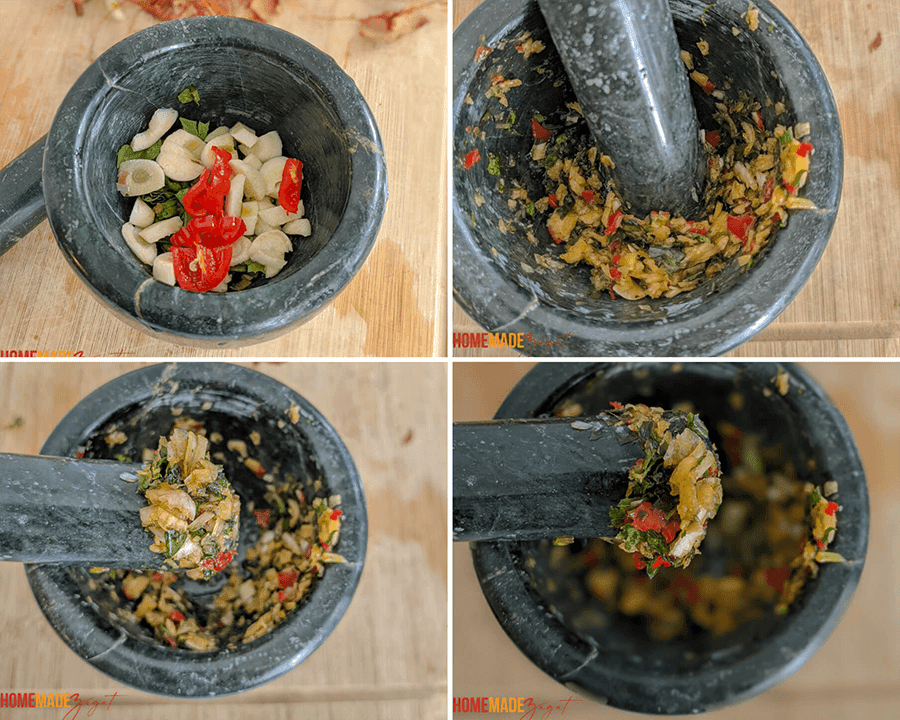
While the tamarind soaks, mash the Scotch bonnet pepper, garlic, and chadon beni together using a mortar and pestle. You can also use a food processor.
- Cook the tamarind.
Place the pot over medium heat and bring the tamarind and soaking water to a boil. Reduce the heat and continue cooking, stirring and pressing the tamarind as the pulp softens and separates from the seeds. A potato masher can help break everything down.
- Remove the seeds.
As the pulp loosens, remove the seeds and any remaining tough fibers. I use a slotted spoon and regular spoon to press the pulp away from the seeds so I don’t lose too much of the pulp.
- Season and sweeten.
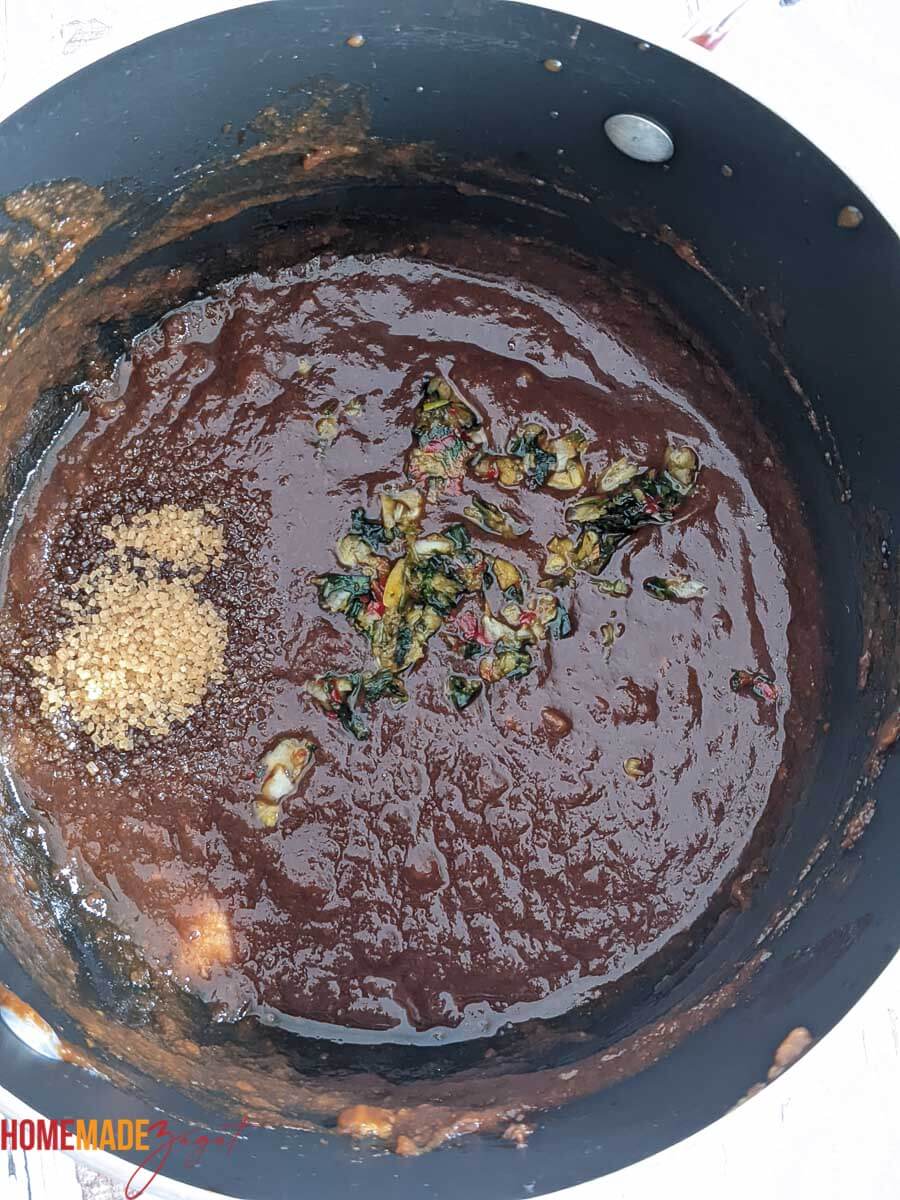
Add the mashed seasoning and brown sugar. Stir well and continue simmering until the sugar dissolves and the flavors come together.
- Adjust the sauce.
Taste and add more sugar if your tamarind is especially sour. If the sauce is too thick, add a little hot water. If it’s too thin, let it simmer longer until it reaches the consistency you like.
- Cool and store.
Remove from the heat and let the sauce cool completely before transferring it to a clean jar or airtight container and refrigerating.
Tips for making tamarind sauce
Fresh tamarind can be a little messy to work with, but once you get past the shells and seeds, the rest is pretty straightforward. A few things I’ve learned from making tambran sauce over the years:
- A slotted spoon and a regular spoon make seed removal much easier. Scoop some of the softened tamarind into the slotted spoon, then press it with the back of the regular spoon. The pulp goes through while the seeds stay behind.
- When shelling fresh tamarind, gently crack and peel the shell instead of crushing it. Otherwise, you’ll be picking tiny pieces of shell out of sticky tamarind pulp. Ask me how I know.
- Remember that the sauce thickens as it cooks and again as it cools. If it gets too thick, stir in a little hot water. If it’s too thin, let it simmer a little longer.
- Taste before adding extra sugar or pepper. Some batches of tamarind are much more sour than others, so you may need to adjust the sweetness. The amount of Scotch bonnet can also be adjusted depending on how spicy you want your sauce.
How to store tamarind sauce
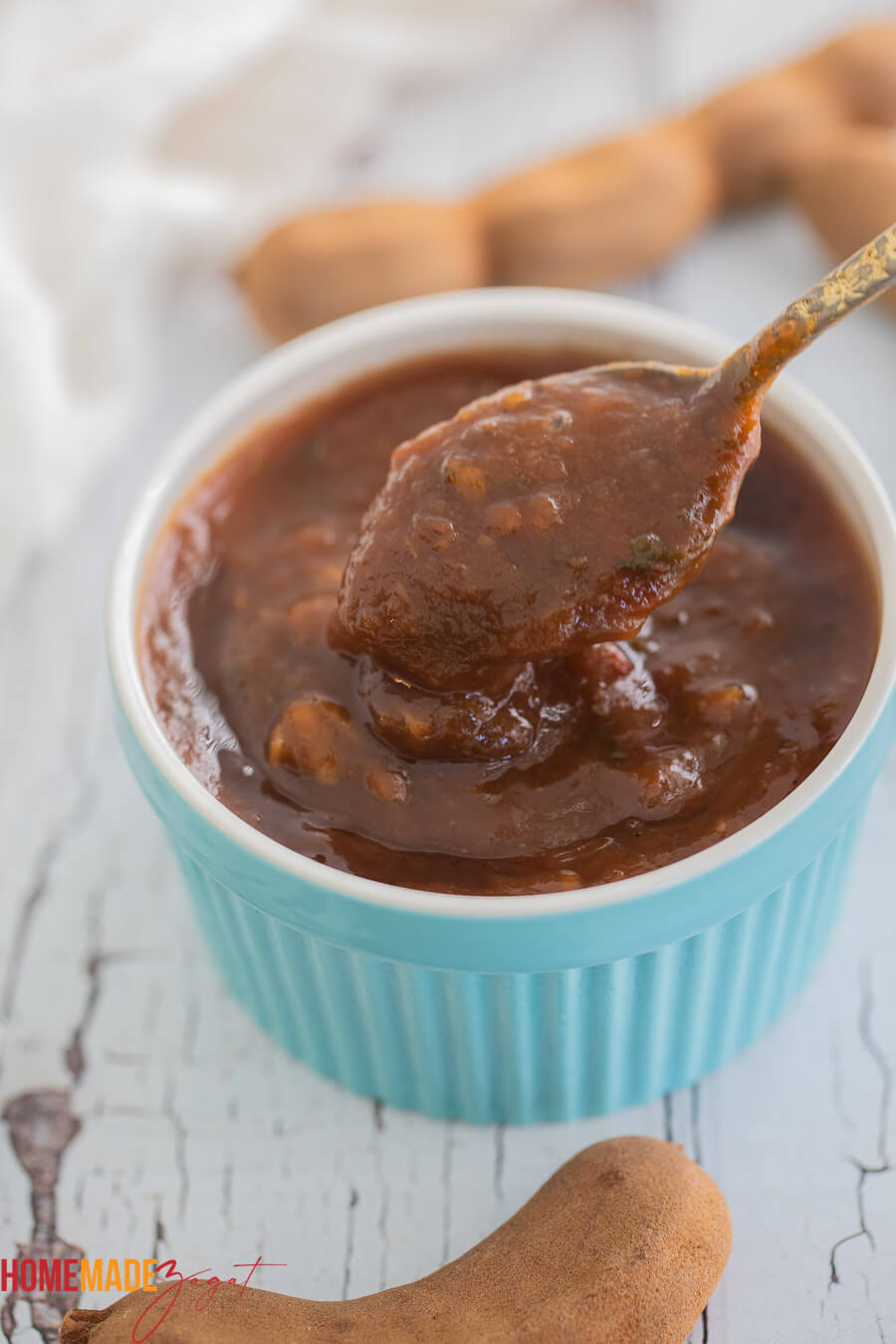
Let the tamarind sauce cool completely, then transfer it to a clean airtight container or glass jar and keep it refrigerated. Always use a clean, dry spoon when serving to help keep the sauce fresh.
For longer storage, you can freeze tamarind sauce in a freezer-safe container or portion it into smaller amounts so you can thaw only what you need.
What to eat with Trinidad tamarind sauce
Tamarind sauce is probably best known as a dipping sauce for pholourie, and that’s still one of my favorite ways to eat it. But tamarind sauce works with plenty of other fried and savory foods too.
Try it with:
- Pholourie. That sweet, sour, and spicy sauce is the perfect contrast to freshly fried pholourie
- Saltfish accra. Serve the tamarind sauce on the side for dipping.
- Aloo pie. Spoon it over the top along with your other favorite chutneys and sauces.
- Doubles. Add a little tamarind sauce for that sweet-sour flavor alongside the usual chutneys and pepper.
- Wings or roasted chicken. Use it as a dipping or serving sauce, or toss it with cooked wings for a sweet, tangy finish.
More Caribbean kitchen staples
- How to make green seasoning
- How to make pepper sauce
- How to make coconut milk
- How to make jerk seasoning paste
Frequently asked questions
In Trinidad and Tobago, tamarind sauce and tamarind chutney are often used interchangeably, especially when talking about the tambran served with foods like pholourie and aloo pie. If we’re being specific, tamarind chutney is usually thicker, while tamarind sauce has a looser consistency that’s easier to drizzle or use as a dip.
Yes. Fresh tamarind is my first choice, but I also use packaged tamarind pulp or paste with the seeds still in. Soak it in water as you would fresh tamarind, then cook it until the pulp loosens and remove the seeds before continuing with the recipe.
It can be as mild or spicy as you like. I use Scotch bonnet pepper for heat and flavor, but you can use less for a milder sauce or leave in more of the seeds and membrane if you like your tambran hot.
If you try this Trinidad tamarind sauce recipe, let me know what you served it with in the comments below. And don’t forget to leave a star rating in the recipe card!
Recipe
Trinidad Tamarind Sauce (Tambran Sauce)
Ingredients
Method
- Clean the tamarind. Remove the shells and stringy veins from the tamarind. Rinse to remove any loose pieces of shell.
- Soak the tamarind. Add the cleaned tamarind and 2 cups of water to a saucepan. Let it soak for about 30 minutes to begin softening the pulp.
- Prepare the seasonings. While the tamarind soaks, mash the garlic, Scotch bonnet pepper, and chadon beni together using a mortar and pestle.
- Cook the tamarind. Place the saucepan over medium heat and bring to a low boil. Cook for about 20 minutes, stirring and pressing the tamarind as the pulp softens and separates from the seeds. Use a potato masher to help break up the pulp.
- Remove the seeds. Remove the seeds and any remaining tough fibers using a spoon or sieve. Add a little more water if needed as the sauce cooks.
- Season and sweeten. Add the mashed seasonings, brown sugar, and salt. Stir well and continue simmering until the sugar dissolves and the flavors come together.
- Adjust the sauce. Taste and add more brown sugar as needed. If the sauce is too thick, add a little hot water. If it’s too thin, continue simmering until it reaches your preferred consistency.
- Cool and store. Remove from the heat and let the sauce cool completely. Transfer to an airtight container and refrigerate.
Nutrition
Notes
- Adjust to taste: Tamarind can vary quite a bit in tartness. Start with the 2 tablespoons of brown sugar listed, then taste and add more as needed. Some batches can be very sour and may need considerably more sugar.
- Tamarind amount: This recipe is flexible, so don’t worry if your package contains more or fewer than 12 tamarind pods. Adjust the water, sugar, and seasonings as needed depending on how much tamarind you’re using.
- Consistency: Tamarind sauce thickens as it cooks and will thicken a little more as it cools. Add hot water a little at a time if you need to loosen it.
- Heat: Adjust the Scotch bonnet to your preference. Remove the seeds and membrane for less heat, or leave some in if you like your tambran hotter.
Recipe Printed From ThisBagoGirl.com